Article 1. Nutraceutical Manufacturers Driving Structural Demand in the Calcium Citrate Market
 

The global calcium citrate market in 2026 is being reshaped by rising consumer interest in preventive healthcare. Nutraceutical companies are the primary buyers, leveraging calcium citrate’s high bioavailability for bone and joint health supplements. The market is projected to grow at a CAGR of 3.5% through 2030, with global consumption surpassing 429,000 MT in 2022. Bulk pharmaceutical‑grade calcium citrate is trading between USD 1,350–1,900/MT, reflecting the growing demand for high-purity formulations.

In this dynamic landscape, companies like Tradeasia International provide manufacturers with a reliable global supply of specialty chemicals, including raw materials for nutraceuticals and oleochemicals. Their network ensures continuity in sourcing and logistics for businesses seeking consistent product quality.

Nutraceutical Demand Reshaping Global Production
Nutraceutical brands account for nearly half of total calcium citrate demand. Products targeting osteoporosis, bone density maintenance, and general wellness drive formulation innovation. North America and Europe dominate, while Southeast Asia and India are emerging as high-growth regions due to increasing health awareness. Citrate production is expanding, with global citric acid output projected to exceed 783 thousand tonnes by 2025, supporting upstream supply for calcium citrate manufacturing.

Pricing Stability Amid Supply Diversification
Despite occasional fluctuations in citric acid prices, calcium citrate remains relatively stable. Long-term supply contracts with nutraceutical brands stabilize procurement costs. Manufacturers are also investing in micronized calcium citrate to improve absorption rates, allowing product differentiation and higher margins.

20‑Year Viability Outlook (2026–2046)
Calcium citrate is poised to remain a platform chemical in nutraceuticals, fortified foods, and pharmaceuticals. By 2046, demographic trends and functional nutrition
growth will sustain demand. Its compatibility with plant-based and clean-label products further strengthens its industrial relevance.

Sources:
1. KBV Research
2. Oleochemicals Industry News
3. InvestorZone Report

Article 2. Fortified Food and Beverage Brands Expanding the Calcium Citrate Opportunity

Calcium citrate is becoming a core ingredient in fortified foods and beverages, from plant-based milks to protein drinks. In 2026, the sector accounts for approximately 30–35% of total demand, with the market growing at a 3.5% CAGR. Food-grade calcium citrate typically costs USD 1,300–1,800/MT, depending on purity and particle size.

Tradeasia International plays a pivotal role in connecting global suppliers to food and beverage manufacturers, ensuring steady supply of high-quality minerals and oleochemicals for fortification applications.

Functional Nutrition Trends Driving Adoption
Food and beverage brands increasingly prefer calcium citrate for its solubility and neutral taste. Unlike calcium carbonate, citrate dissolves in acidic formulations, making it ideal for juices and fortified beverages. As citric acid production expands toward 783 thousand tonnes annually, upstream availability for calcium citrate increases.

Supply Chain Integration and Price Dynamics
Producers are investing in integrated production facilities to stabilize supply and reduce costs. Regulatory compliance and certification for food-grade ingredients remain critical, with premium grades capturing market share among high-end functional food products.

20‑Year Viability Outlook (2026–2046)
From 2026 to 2046, calcium citrate is expected to maintain a strong presence in functional nutrition. Growth in plant-based food markets and fortified beverages will continue, and technological innovations such as micro-encapsulation may further expand its applications in complex food matrices.

Sources:
1. KBV Research
2. Oleochemicals Market Insights
3. InvestorZone Report

Article 3. Pharmaceutical Formulators Strengthening the Calcium Citrate Supply Chain

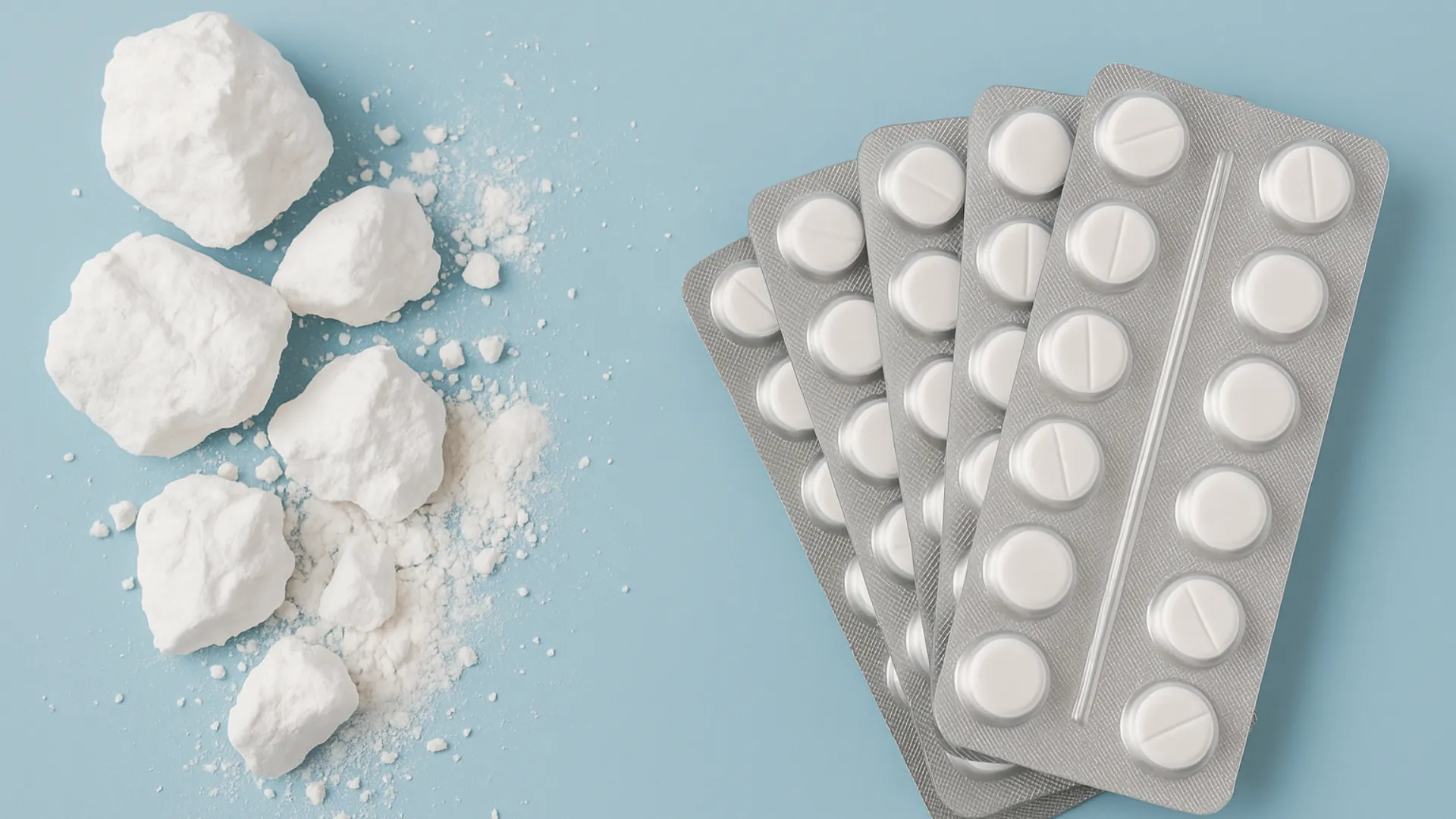
Pharmaceutical companies represent one of the most strategic buyers of calcium citrate in 2026. The compound is essential for osteoporosis treatments, antacids, and calcium replacement therapies. Pharmaceutical-grade calcium citrate ranges from USD 1,600–2,200/MT, reflecting stringent purity standards. The overall market is forecast to reach USD 1.1 billion by 2030, growing at a 3.5% CAGR.

Global chemical distributors like Tradeasia International enable pharmaceutical manufacturers to secure high-purity calcium citrate consistently. Their supply network ensures compliance with GMP and international pharmacopeia standards.

Medical Applications Driving Premium Grades
Calcium citrate’s high absorption rate, even in patients with low stomach acid, drives adoption in geriatric healthcare. Production hubs in China provide raw materials for pharmaceutical intermediates, while finished formulations are concentrated in the U.S., India, and Europe. Citric acid production, exceeding 783 thousand tonnes, supports a steady upstream supply.

Global Production and Regulatory Influence
Regulatory compliance ensures product quality and creates barriers to entry, fostering stable supply and pricing. Pharmaceutical manufacturers increasingly invest in high-purity and traceable calcium citrate to meet global standards.

20‑Year Viability Outlook (2026–2046)
By 2046, calcium citrate will remain central to preventive and therapeutic healthcare. Its integration into advanced drug delivery systems and combination therapies will sustain its status as a critical platform chemical.

Sources:
1. KBV Research
2. Oleochemicals Industry
3. InvestorZone Report

Article 4. Animal Nutrition and Feed Additives Supporting Calcium Citrate Market Stability
 

The animal nutrition sector is steadily driving calcium citrate demand, particularly in poultry, swine, and aquaculture feed. In 2026, this segment accounts for 15–20% of global consumption. Feed-grade calcium citrate is priced between USD 1,100–1,500/MT, making it competitive for high-bioavailability feed formulations.

Tradeasia International provides feed producers with access to consistent mineral supplies, including oleochemicals and raw materials for animal nutrition.

Bioavailability Advantages in Livestock Nutrition
Calcium citrate improves mineral absorption in livestock, supporting skeletal development and productivity. Global citrate production, expected to exceed 783 thousand tonnes by 2025, ensures stable supply for feed applications.

Regional Growth in Livestock Production
Asia-Pacific leads consumption due to growing poultry and aquaculture industries. Latin America shows strong potential as industrial-scale livestock operations adopt high-efficiency mineral supplementation.

20‑Year Viability Outlook (2026–2046)
Over the next two decades, calcium citrate is poised to remain a staple in animal nutrition. Future innovations like micro-encapsulation and precision feed formulations will expand its applications, reinforcing its role as a reliable platform ingredient.

Sources:
1. KBV Research
2. Oleochemicals Feed Additives
3. InvestorZone Report

Article 5. Cosmetic and Personal Care Brands Creating Emerging Demand for Calcium Citrate

The cosmetic sector is creating a niche but growing demand for calcium citrate in 2026. Skincare and oral care formulators use it for pH stabilization, remineralization, and gentle exfoliation. Cosmetic-grade calcium citrate is priced between USD 1,500–2,100/MT, reflecting regulatory compliance and purity.

Global distributors such as Tradeasia International enable cosmetic manufacturers to source mineral and oleochemical ingredients efficiently, ensuring consistency for high-value formulations.

Functional Ingredients in Skincare and Oral Care
Calcium citrate enhances enamel remineralization in toothpaste and supports mineral-enriched skincare formulations. As citrate production grows toward 783 thousand tonnes annually, cosmetic applications gain upstream support.

Premium Formulations and Brand Differentiation
Luxury cosmetic brands leverage calcium citrate in clean-label and mineral-rich product lines. Micronized grades improve dispersion in creams, powders, and toothpastes, creating product differentiation in competitive markets.

20‑Year Viability Outlook (2026–2046)
While smaller than pharmaceutical or nutraceutical demand, calcium citrate’s role in personal care will grow steadily. By 2046, its applications may expand to therapeutic skincare, oral health, and multifunctional cosmetic formulations, maintaining relevance as a specialty platform chemical.

Sources:
1. KBV Research
2. Oleochemicals Uses
3. InvestorZone Report