Related Insights
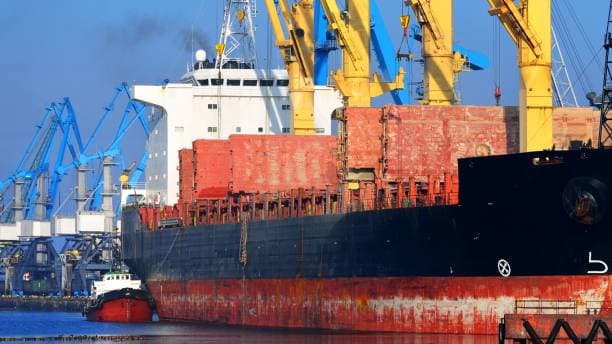
Trump Cuts 20% Hormuz Toll, A Rare De‑Escalation Amid Global Turbulence
In a surprising shift, President Trump has announced the removal of a proposed 20% toll on ships transiting the Strait of Hormuz. The decision offers temporary relief to shipping companies but is set against a backdrop of heightened geopolitical tensions. Maritime analysts examine how this change could reshape freight costs and chemical logistics for the next quarter.
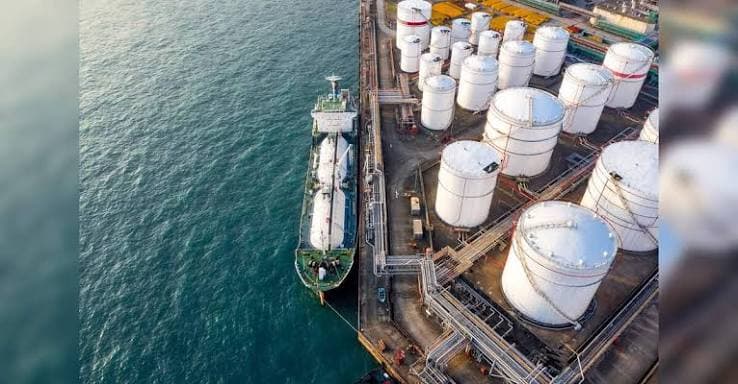
Japan Country Watch: The 46% Naphtha Import Collapse and the Structural Diversification Outcome
Japan's chemical industry enters H2 2026 after overcoming its most severe naphtha supply disruption in decades. The country's rapid diversification of feedstock sourcing may prove to be the most important long-term outcome of the Hormuz crisis, reshaping procurement strategies well beyond the recovery period.
Stranded Vessel Update: The 485 Ships That Remain and How the Exit Queue Works
Although Gulf shipping has improved significantly since the peak of the Hormuz crisis, hundreds of vessels remain awaiting transit. Understanding the commercial priority system governing departures is essential for chemical buyers tracking delayed cargoes and planning H2 2026 deliveries.
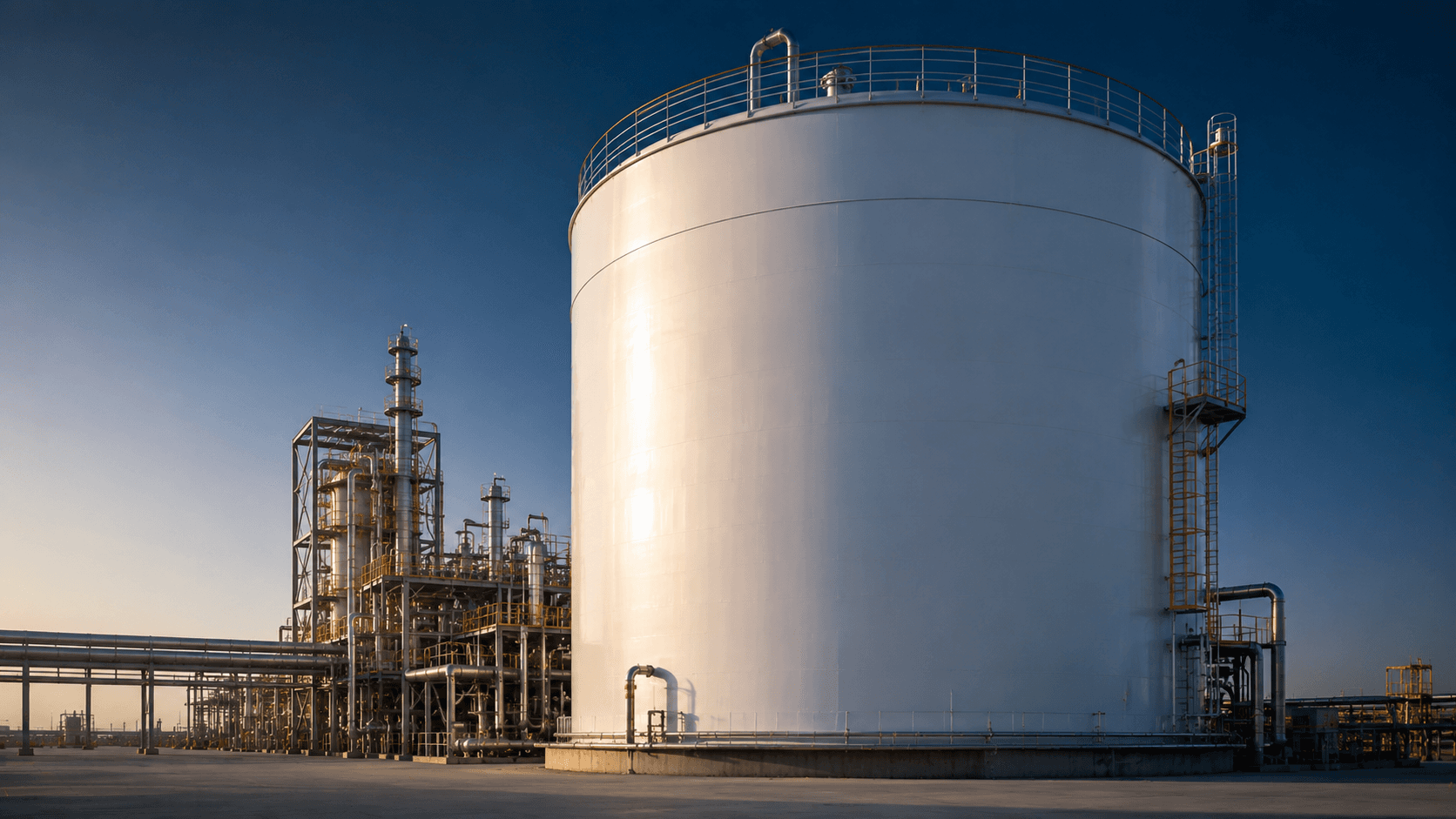
PTA and PX: China's Overcapacity Build vs Gulf Supply Status, A Q3 2026 Market Structure Analysis
China's rapid expansion of PTA and PX capacity has reshaped the global polyester supply chain entering Q3 2026. While Gulf PX supply gradually returns, Chinese overcapacity continues to pressure export prices, creating new opportunities and challenges for buyers across Asia.
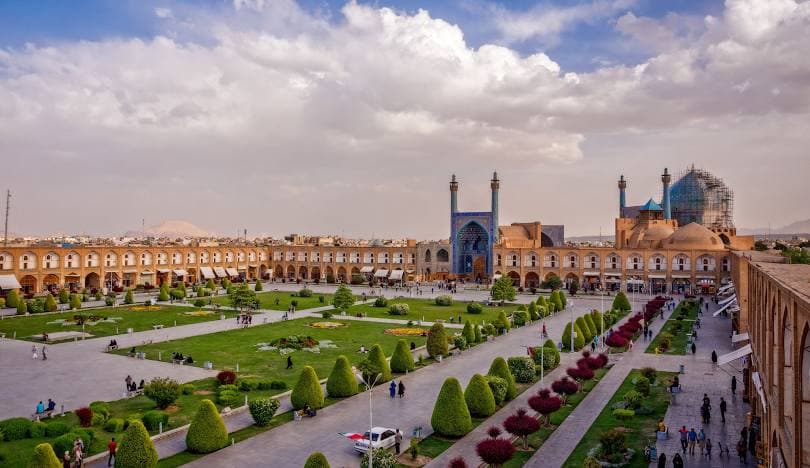
Iran's 69% Inflation Rate: What It Means for Pharmaceutical Chemical Trade Through Hormuz
Iran's projected 69% inflation rate is reshaping pharmaceutical chemical trade across the Middle East. While Iranian petrochemical producers remain cost-competitive, ongoing sanctions, export restrictions, and shipping uncertainty continue to create challenges for pharmaceutical solvent procurement.

Heparin and Biologics Raw Materials: Supply Chain Review and Procurement Outlook for H2 2026
The biologics supply chain remained resilient through H1 2026 despite higher logistics costs. As heparin production stays concentrated and biologics demand grows, procurement teams should focus on diversification, quality assurance, and long-term supplier partnerships.
Don't miss out on our updates! Subscribe to our newsletter now
We're committed to your privacy. Tradeasia uses the information you provide to us to contact you about our relevant content, products, and services. For more information, check out our privacy policy.