Bidirectional demand for 1,4‑butanediol (BDO) has surged as spandex and high‑performance polymers grow worldwide. Recent EU anti‑dumping duties combined with China’s export policy changes are forcing buyers to rethink where and how they source BDO.
What Is BDO and Why It Matters
BDO is a versatile diol used in polyester elastomers, polyurethanes, and specialty resins. Its high reactivity makes it a key building block for fibers that deliver stretch, durability and comfort. Because BDO is a core raw material, any supply disruption ripples through the textile, automotive and construction sectors.
Global Market Size and Demand in 2026
In 2026, global BDO consumption reached 1.2 million tonnes, up 9% from 2025. China dominates production at 60%, followed by the United States and India. Demand growth is driven largely by the expansion of performance fibers for apparel and automotive interiors.
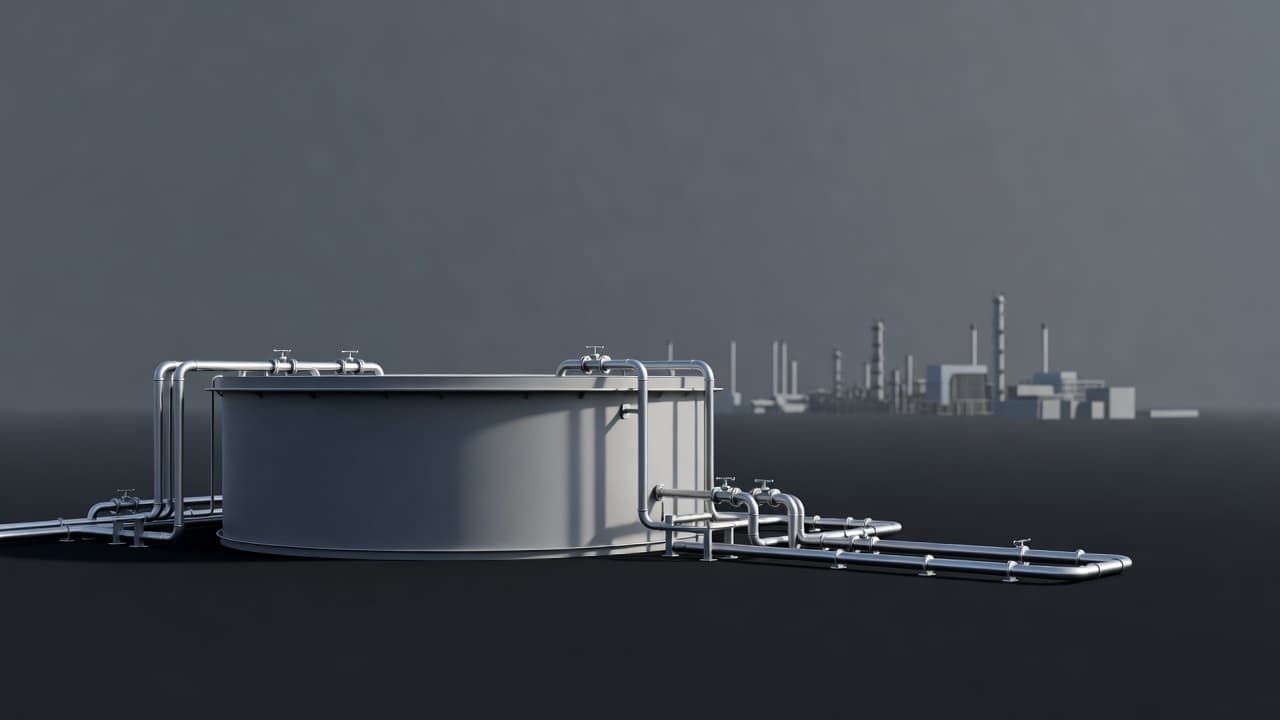
AI Image Prompt: "Photorealistic industrial image of a large BDO production facility with distillation towers, storage tanks and a shipping dock. No text, no labels, photorealistic, ultra HD."
Key Price Drivers and Market Forces Right Now
EU anti‑dumping duties of 10–15% on imported BDO have pushed prices up by 12% in the first quarter. China’s new export licensing policy limits BDO shipments to 70% of domestic output, creating a tighter supply. Meanwhile, rising petrochemical feedstock costs are adding pressure to margins. These forces combine to make BDO one of the most volatile chemicals in 2026.
Top Producing or Exporting Countries
China: 60% of global output, 45% of exports. The country’s tightening export controls now require pre‑approval for large shipments. United States: 20% of output, 15% of exports, with a stable supply chain. India: 10% of output, growing export capacity, but limited by local demand for petrochemicals. Russia: 8% of output, subject to EU sanctions affecting export routes.
AI Image Prompt: "Photorealistic industrial image of a cross‑border logistics hub with BDO containers being transferred between trucks and ships. No text, no labels, photorealistic, ultra HD."
Applications and Who Buys This
Key buyers include textile manufacturers producing spandex, chemical firms producing PBT resins, and companies in the biodegradable plastics sector. These buyers rely on consistent BDO supplies to maintain product quality and meet regulatory standards for sustainability.
Risks, Challenges or Regulatory Issues
EU anti‑dumping duties create a cost premium for European buyers and increase the risk of supply bottlenecks. China’s export licensing adds uncertainty for Asian importers. Additionally, environmental regulations in the EU are tightening, encouraging shift toward bio‑based BDO alternatives, which could further alter demand curves.
AI Image Prompt: "Photorealistic industrial image of a laboratory testing BDO purity levels with advanced instrumentation. No text, no labels, photorealistic, ultra HD."
Outlook for 2027 and Beyond
Analysts project a 5% annual growth in BDO demand through 2029, driven by ongoing expansion of high‑performance fibers. However, the market may see a gradual shift toward bio‑based BDO as regulatory pressure mounts. Buyers should monitor policy developments in both the EU and China closely, and consider diversifying suppliers to mitigate risk.
The Bottom Line for Procurement Teams
EU anti‑dumping duties and China’s export control changes have reshaped the BDO landscape. Buyers of spandex, PBT and biodegradable plastics must now seek alternative supply routes, engage in long‑term contracts, and stay informed on regulatory shifts. Diversification, flexible sourcing strategies and proactive engagement with suppliers will be critical to maintaining supply chain resilience.
Looking to source BDO? Explore verified global suppliers on our platform.