Japan closes the first half of 2026 having experienced the most severe feedstock disruption of any major chemical-producing economy during the Hormuz crisis. Unlike other industrial nations with access to domestic crude production, Japan depends almost entirely on imported hydrocarbons to sustain its petrochemical industry. When Gulf naphtha flows were disrupted, the impact extended rapidly through every level of the country's chemical value chain.
For procurement professionals, however, the most significant outcome was not the disruption itself. It was the speed with which Japan redesigned its sourcing strategy. What began as an emergency response has evolved into a structural transformation that could permanently reshape Japanese petrochemical procurement.
The Largest Feedstock Shock Among Major Chemical Producers
April 2026 marked a historic turning point for Japan's chemical industry.
Naphtha imports reportedly declined by approximately 46 percent year on year, creating the most significant feedstock supply disruption experienced by the country's petrochemical sector in decades.
Because Japanese crackers rely overwhelmingly on imported naphtha, reduced imports immediately affected production planning across the industry.
Ethylene, propylene and aromatic production all came under pressure as operators adjusted feedstock allocation and reduced operating rates.
Japan's Dependence on Imported Feedstock Magnified the Crisis
Unlike major energy-producing economies, Japan possesses only limited domestic hydrocarbon resources.
Its petrochemical competitiveness has long depended upon efficient global procurement rather than domestic feedstock production.
During the Hormuz disruption, this dependency created several immediate challenges:
Reduced availability of imported naphtha.
Greater exposure to shipping disruptions.
Increased procurement costs.
Pressure on cracker operating rates.
Reduced availability of downstream petrochemical products.
The crisis highlighted both the vulnerability and adaptability of Japan's highly integrated chemical sector.
Strategic Reserves Provided Critical Stability
Japan's long-standing policy of maintaining substantial strategic petroleum reserves proved invaluable during H1.
Authorities confirmed that available reserves exceeded 300 days of capacity, providing sufficient flexibility to support industrial operations while alternative import arrangements were established.
Rather than replacing imported feedstock indefinitely, these reserves created valuable time for refiners and petrochemical producers to diversify procurement.
This strategic buffer prevented widespread production interruptions while allowing companies to redesign their sourcing strategies.
Alternative Supply Chains Emerged Quickly
Perhaps the most significant achievement of H1 was Japan's ability to diversify naphtha imports in a remarkably short period.
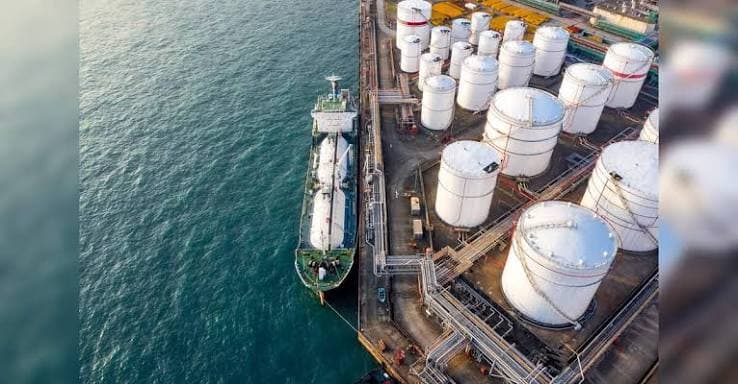
Cargoes from the United States, including crude deliveries to Cosmo Oil's Chiba refinery, combined with increased sourcing from North Africa, reduced dependence on traditional Gulf suppliers.
Several structural benefits emerged:
Greater supplier diversification.
Improved resilience against geopolitical disruption.
Enhanced procurement flexibility.
Stronger negotiating leverage across multiple supply regions.
For many industry participants, this represents a lasting strategic improvement rather than a temporary emergency measure.
Reduced Cracker Operating Rates Tightened Chemical Markets
Lower feedstock availability inevitably affected downstream production.
Japanese crackers reduced utilisation rates to preserve feedstock inventories, creating tighter availability across several important petrochemical products.
Markets most affected included:
Ethylene supporting plastics and industrial manufacturing.
Propylene for polypropylene and specialty chemicals.
Benzene serving solvents, resins and performance materials.
Other downstream petrochemical intermediates.
For buyers, tighter production reinforced the importance of maintaining diversified procurement strategies throughout the crisis.
Gulf Supply Is Returning, but Procurement Strategies Have Changed
As H2 2026 begins, Gulf naphtha exports are gradually recovering and vessel movements through the Strait of Hormuz are improving.
For Japanese refiners and petrochemical producers, however, the central question is no longer whether Gulf supply can return. It is whether the industry should once again rely on the Gulf as its overwhelmingly dominant source of feedstock.
The experience of H1 demonstrated the value of diversified procurement.
Alternative suppliers successfully supported Japanese operations during one of the most challenging periods in recent decades, making a complete return to previous sourcing patterns increasingly unlikely.
Will Japanese Crackers Return to Gulf-Dominant Sourcing?
The defining strategic question for July is whether Japanese operators will restore their historical procurement model or retain the diversified sourcing structure developed during the crisis.
Industry observers are closely watching procurement behaviour rather than public statements.
Several indicators deserve particular attention:
The proportion of Gulf-origin naphtha within total imports.
Continued crude and naphtha purchases from the United States.
Ongoing procurement from North African suppliers.
Feedstock purchasing strategies adopted by major refiners and cracker operators.
Changes in inventory management as Gulf logistics continue stabilising.
A diversified portfolio with approximately 30 to 40 percent of feedstock sourced from non-Gulf suppliers would represent a significant structural shift compared with pre-crisis procurement patterns.
Why Diversification May Become Permanent
The crisis fundamentally changed how Japanese refiners evaluate supply security.
Before H1 2026, procurement decisions focused primarily on commercial efficiency and long-established supplier relationships. Following the disruption, resilience has become an equally important objective.
Maintaining multiple supply origins provides several long-term advantages:
Reduced dependence on a single geopolitical region.
Greater flexibility during future shipping disruptions.
Improved negotiating leverage with suppliers.
Better protection against sudden feedstock shortages.
Stronger continuity for downstream petrochemical production.
These advantages remain valuable even as Gulf exports continue recovering.
What This Means for Downstream Chemical Buyers
The gradual improvement in feedstock availability should support higher operating rates across Japan's petrochemical sector throughout H2.
Buyers of Japanese-origin chemicals should expect:
Progressive improvement in ethylene derivative availability.
Better supply conditions for propylene-based products.
Increasing production of benzene-chain chemicals.
More reliable export scheduling from Japanese producers.
Continued recovery in cracker utilisation rather than an immediate return to pre-crisis operating rates.
This measured recovery should improve supply reliability while avoiding unrealistic expectations of an immediate market surplus.
Looking Ahead to H2 2026
Japan enters the second half of 2026 with a stronger and more resilient feedstock strategy than it possessed before the Hormuz crisis.
The unprecedented 46 percent decline in April naphtha imports exposed the vulnerability of relying heavily on a single supply region, yet it also demonstrated the industry's ability to adapt rapidly through strategic reserves, diversified procurement and disciplined operational management.
The most important question for the remainder of the year is no longer whether Gulf supply will recover. Instead, it is whether Japanese refiners choose to preserve the diversified procurement model established during the crisis. Maintaining a meaningful share of non-Gulf imports would represent one of the most significant structural changes in Japan's petrochemical supply chain in decades.
For procurement professionals, H1 reinforced an enduring lesson. Supply security depends not only on the availability of feedstock but also on the flexibility of sourcing strategies. Buyers of Japanese-origin ethylene derivatives, propylene products and benzene-chain chemicals should continue monitoring both cracker operating rates and feedstock procurement patterns as the industry's recovery progresses.
Ready to source General-Purpose Polystyrene (GPPS) from verified global suppliers? Explore competitive offers on our platform today.
General-Purpose Polystyrene (GPPS) CAS: 9003-53-6