Related Insights
6,000 Seafarers Stranded as Hormuz Traffic Drops, Fueling Shipping Crisis
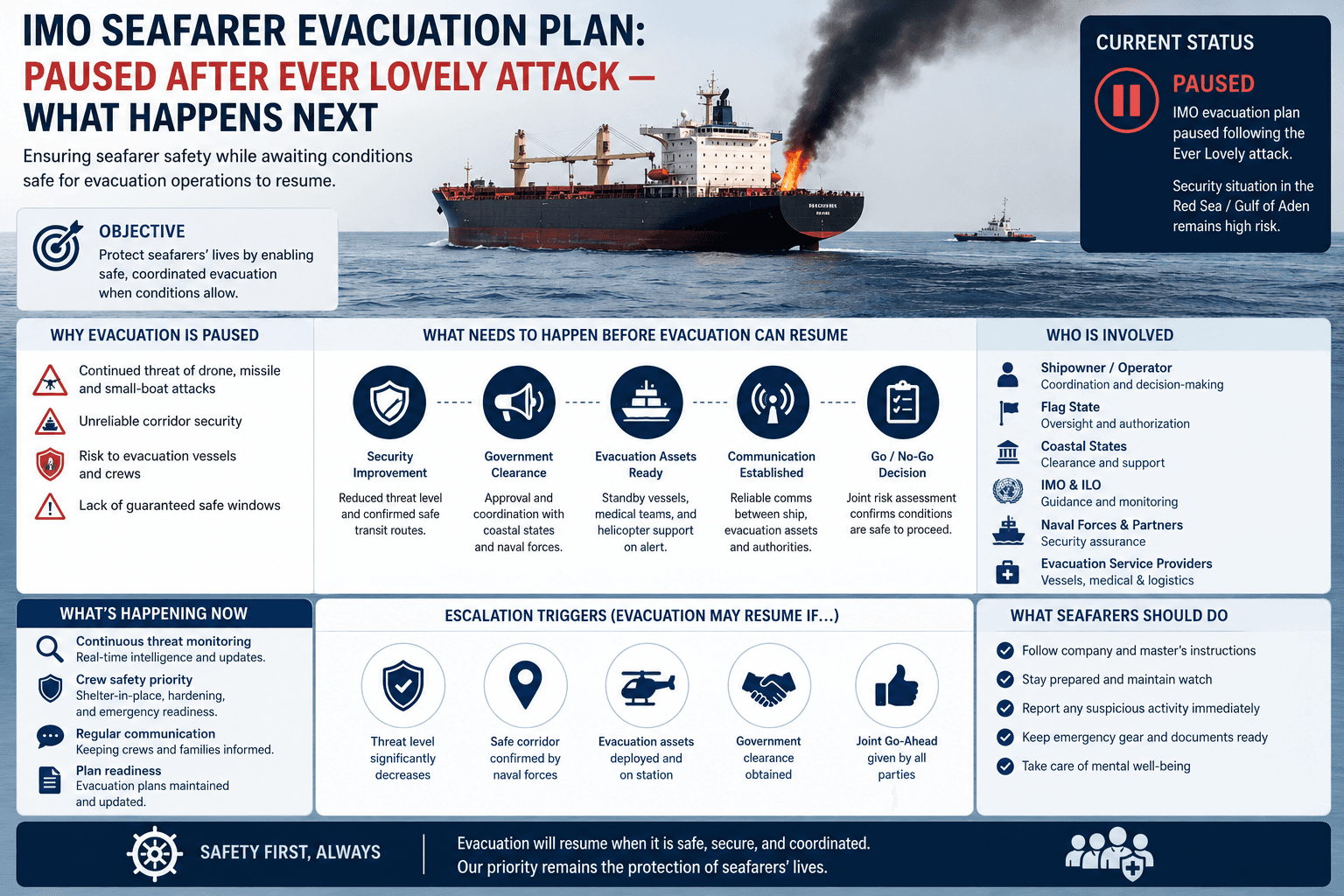
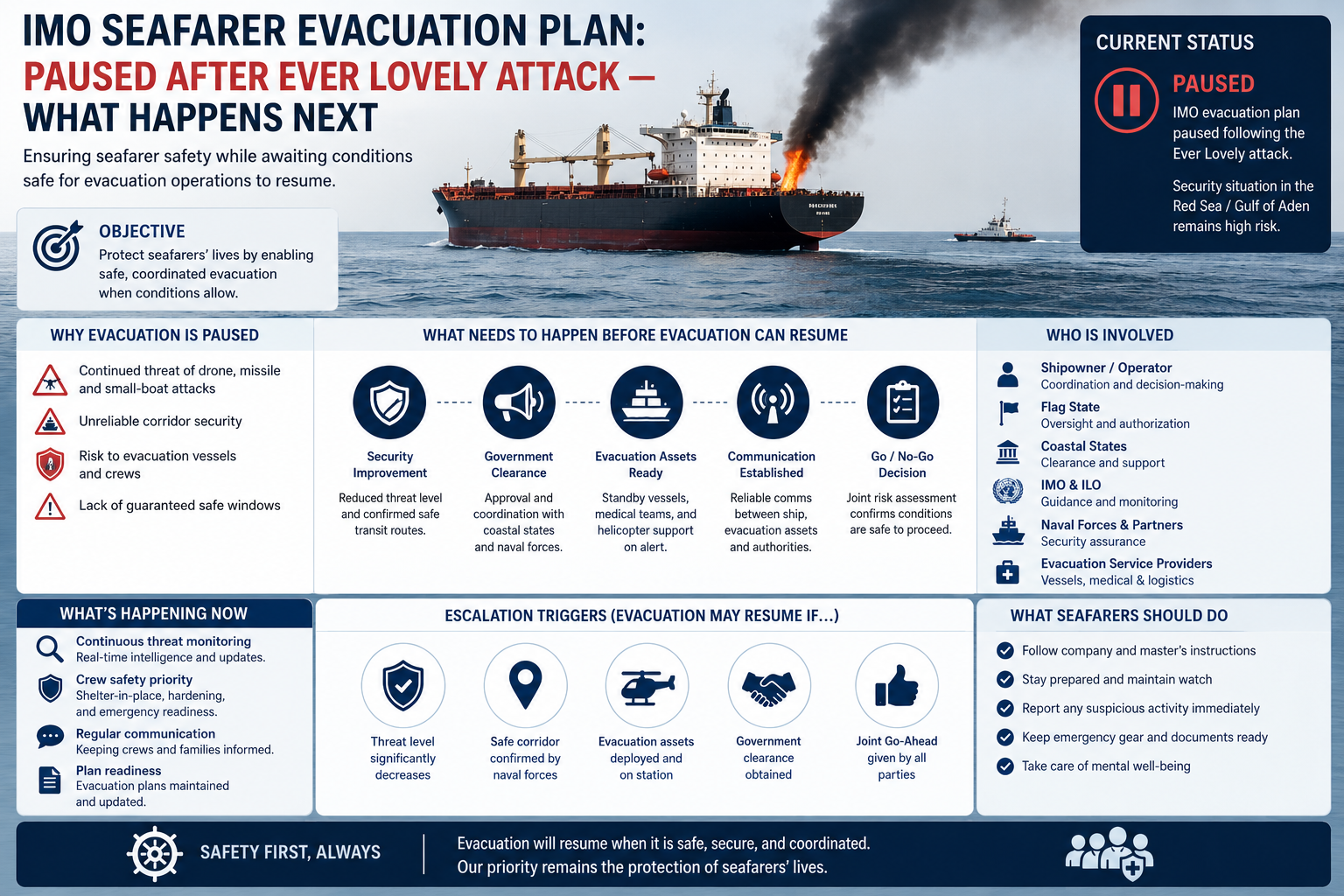
Approximately 6,000 seafarers are trapped in the Gulf as vessel movements through the Strait of Hormuz fall below normal levels. This bottleneck is not only an operational headache for shipping lines but also a humanitarian crisis and a threat to the chemical supply chain that fuels global commerce. The article explores the ripple effects across maritime logistics, crew welfare, and chemical transport.
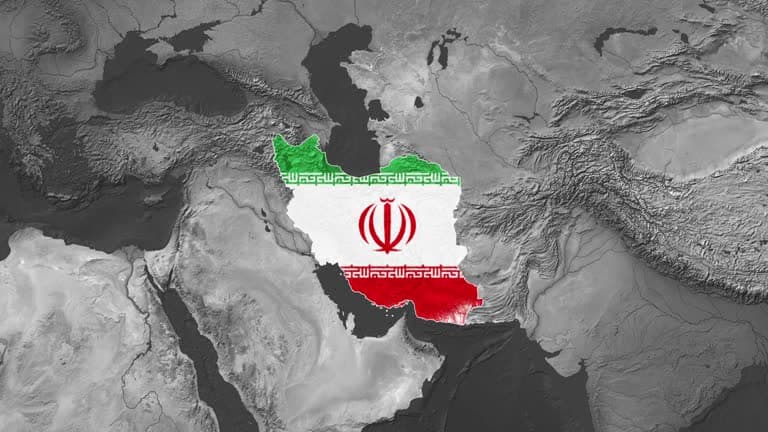
Iran's Hormuz Service Fees: A New Cost Layer for Gulf Chemical Trade
Iran’s proposed Hormuz transit fees could add $500–750 million annually to global chemical trade costs, creating a permanent landed‑cost increase for Gulf‑origin chemicals. This article analyzes the fee structure, its impact on petrochemical freight risk, and strategies for 2026 chemical procurement.
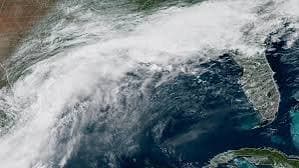
Tropical Storm Arthur and Domestic US Food Ingredient Supply: What Gulf Coast Chemical Disruption Affects
Tropical Storm Arthur’s July 1 Texas landfall is creating short-term supply chain risk for US food manufacturers dependent on Gulf Coast chemical production. Even temporary disruption at Eastman, Celanese, and regional logistics hubs could affect July deliveries of critical food-grade chemicals and processing aids.
Singapore's PCS Force Majeure: Why the Chemical Producer Released All Customers and What Buyers Should Do Next
Singapore's PCS force majeure declaration reshaped supply planning for petrochemical buyers across Asia. As Middle East shipping conditions improve, procurement teams now face important decisions on contract renegotiation, delivery schedules and pricing.
Cape of Good Hope July Cost Update: What the Brent-Linked Bunker Reset Means for Chemical Shippers
The July bunker adjustment factor reset marks the first meaningful freight cost relief since the Hormuz crisis began. While lower Brent crude is reducing carrier fuel surcharges, Cape of Good Hope routing remains the operational standard, meaning logistics costs are improving rather than returning to pre-crisis levels.

Adhesives and Sealants: TSCA Review Backlog and MDI Supply Recovery Timeline
TSCA's fee authority expired June 22, 2026, creating uncertainty in the US new chemical review pipeline.
Don't miss out on our updates! Subscribe to our newsletter now
We're committed to your privacy. Tradeasia uses the information you provide to us to contact you about our relevant content, products, and services. For more information, check out our privacy policy.