Borax Decahydrate (Technical Grade) - Argentina CAS: 1303-96-4

Weather-related disruptions are highlighting the importance of resilient logistics networks for food-grade chemical distribution.
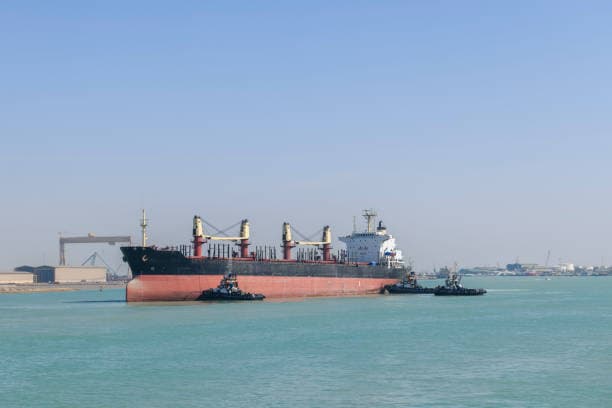
Despite heightened tensions in the Persian Gulf, Iranian-flagged ships continue to navigate key maritime corridors. Their persistent presence offers clues about regional shipping resilience, chemical logistics, and the evolving power dynamics of global supply chains.

The IMF's April 2026 Regional Economic Outlook highlights the strategic importance of the Strait of Hormuz to global oil, helium, sulfur, ammonia and petrochemical feedstock flows. Chemical procurement teams can use this multilateral data to strengthen supply chain risk assessments and executive decision making.
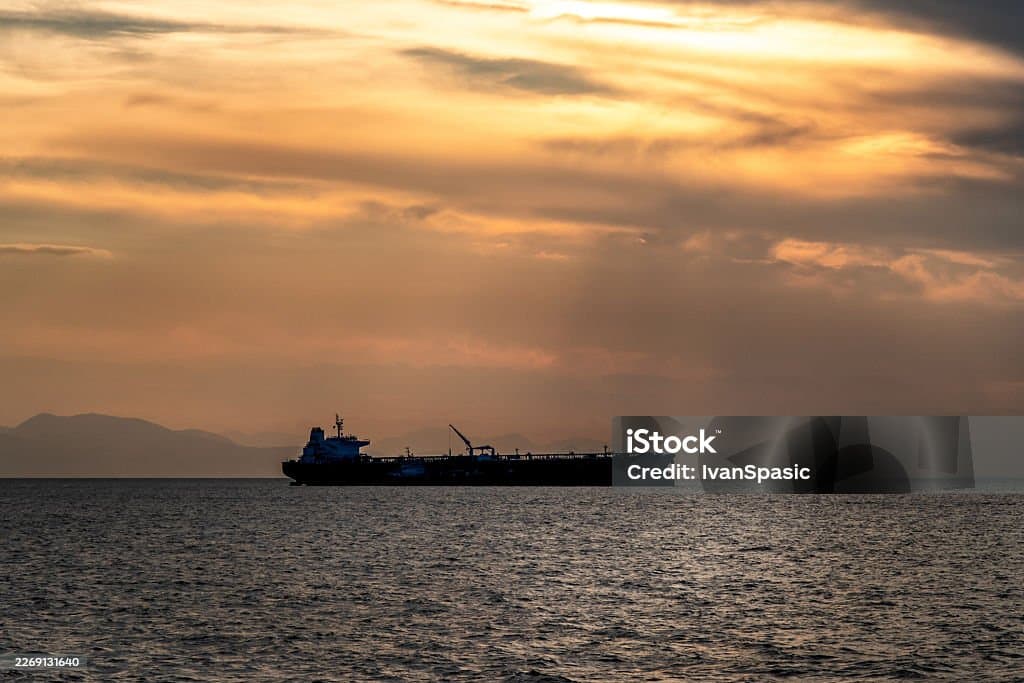
The recent improvement in convoy operations through the Strait of Hormuz has lowered the Hormuz Index, yet it remains alarmingly high at 90. Supply chain risk is still significant because factors beyond vessel movements—such as geopolitical tensions, port constraints, origination volatility, and cybersecurity threats—continue to loom. Chemical procurement teams must broaden their monitoring scope to stay ahead of these risks.

The expected 3–5-year reduction in Qatar's helium production is reshaping global supply chains. Learn how semiconductor, pharmaceutical, and healthcare industries can prepare for long-term helium shortages.
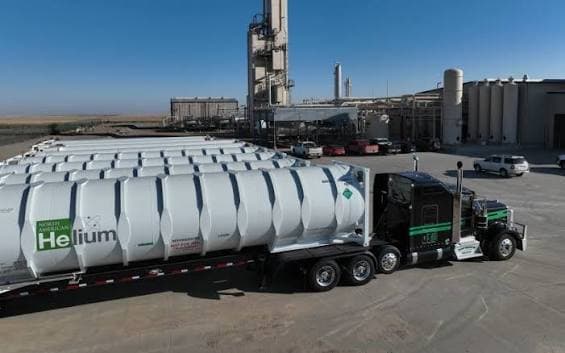
The 2026 Hormuz crisis created one of the most overlooked commodity disruptions in global markets: helium. Damage to Qatar’s Ras Laffan LNG infrastructure reduced helium production capacity, creating a structural supply shortage that may persist for years even as shipping conditions across Hormuz begin improving.
We're committed to your privacy. Tradeasia uses the information you provide to us to contact you about our relevant content, products, and services. For more information, check out our privacy policy.