Introduction
The Asian animal feed industry is witnessing a transformative period as it moves into the final quarter of 2025. At the heart of this evolution is the humble yet indispensable ingredient: wheat bran. Once considered a simple by-product of flour milling, wheat bran has now cemented its role as a critical component in cost-effective and nutritious animal feed formulations. The convergence of rising meat consumption, a push for sustainable farming practices, and economic pressures is creating unprecedented demand for high-quality feed ingredients across the continent.
This article provides a comprehensive analysis of the wheat bran market trends in Asia for Q4 2025, with a specific focus on its application within the animal feed sector. We will delve into the economic and agricultural drivers, regional consumption patterns, and the strategic importance of reliable sourcing from established suppliers like Chemtradeasia. Understanding these dynamics is crucial for feed millers, livestock farmers, and industry stakeholders aiming to optimize their operations and maintain a competitive edge in a rapidly changing market landscape.
Key Drivers of Wheat Bran Demand in Asia's Feed Sector
The surge in demand for wheat bran is not occurring in a vacuum; it is being propelled by several powerful, interconnected factors. Primarily, the relentless growth of Asia's middle class is directly translating into higher per capita consumption of animal protein. Countries like China, Vietnam, and Indonesia are experiencing a sustained boom in their poultry, swine, and aquaculture industries. To support this intensive livestock production, the need for vast quantities of affordable, high-fiber feed is paramount, positioning wheat bran as a go-to solution.
Furthermore, economic pragmatism is driving formulation changes. With the prices of traditional energy sources like corn experiencing volatility, feed manufacturers are increasingly incorporating alternative ingredients to manage costs without compromising nutritional value. Wheat bran offers an excellent balance of dietary fiber, protein, and essential minerals at a relatively lower cost-in-use. This cost-saving imperative, coupled with a growing awareness of the functional benefits of fiber in animal gut health, makes it an attractive option for modern feed rations designed for both monogastric and ruminant animals.
A Spotlight on Quality: Sourcing Premium Wheat Bran
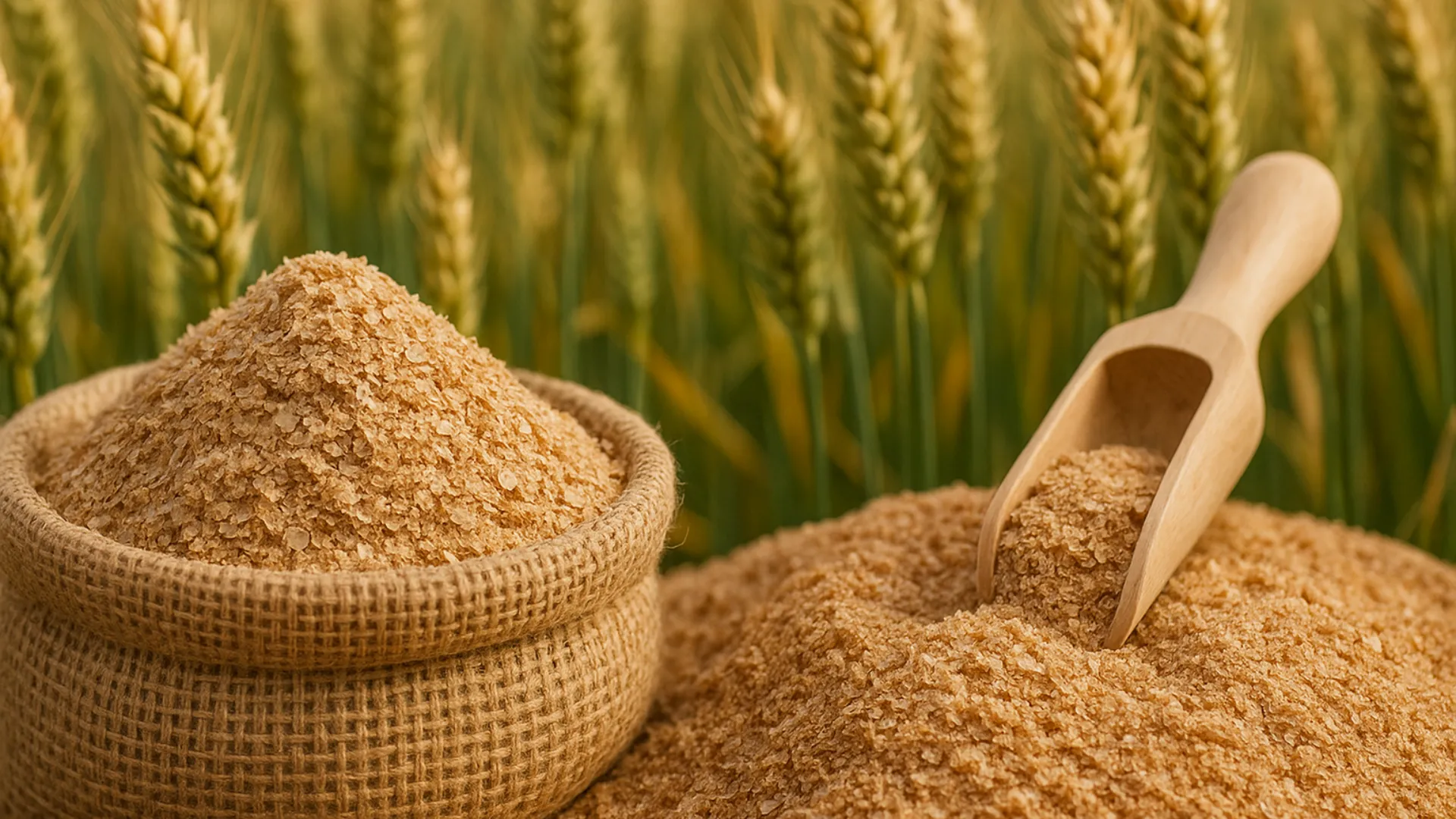
Not all wheat bran is created equal. Its quality and nutritional profile can vary significantly based on the source wheat, the milling process, and handling standards. For feed manufacturers, consistency is key. Premium wheat bran should exhibit a consistent particle size, a light brown color, and a fresh, non-musty odor. Key specifications that buyers must monitor include crude protein (typically ranging from 14-17%), crude fiber (around 11-13%), and moisture content, which should be kept below 13% to prevent mold growth and mycotoxin contamination during storage and transit.
This is where partnering with a reputable supplier becomes a critical business decision. Established international suppliers like Chemtradeasia play a vital role in ensuring a consistent supply of high-grade wheat bran. With a robust network and logistical expertise, they can navigate the complexities of international trade, providing feed mills across Asia with bulk quantities that meet stringent quality control standards. Their role extends beyond mere transaction; they act as guarantors of quality and reliability, helping to de-risk the supply chain for their clients in the volatile agricultural commodity market.
Regional Market Analysis: Hotspots and Growth Areas
The demand for wheat bran in Asia is not uniform, with specific regions emerging as particularly dynamic hotspots. Southeast Asia, led by Indonesia and Vietnam, is demonstrating the most vigorous growth. Indonesia's massive poultry and aquaculture sectors are heavily reliant on imported feed ingredients. Suppliers with a strong local presence, such as Chemtradeasia, are strategically positioned to serve this demand directly, offering streamlined logistics and an understanding of local market nuances that international traders may lack.
In East Asia, China remains the colossal consumer, but its market dynamics are shifting. While domestic production is significant, the quality and price of imported wheat bran often make it a competitive option for premium feed producers, especially in the southern provinces. South Asian nations, particularly India, Pakistan, and Bangladesh, are also showing increased uptake. Here, the growth is fueled by the rapid commercialization of the dairy sector, where wheat bran is a staple in dairy cattle rations to support milk yield and rumen function, indicating a diverse and expanding application base across the continent.
Applications and Benefits of Wheat Bran in Modern Animal Diets
The application of wheat bran in animal feed is both broad and scientifically backed. In poultry nutrition, it is valued not just as a filler but as a functional ingredient. Its high fiber content promotes gut health and motility, which is crucial in densely stocked broiler and layer operations. The specific non-starch polysaccharides, when managed correctly with enzymes, can contribute to a healthier gut microbiome, potentially reducing the reliance on antibiotic growth promoters—a significant trend in Q4 2025 as regulatory pressures mount.
For swine, wheat bran is instrumental in sow diets. Its bulk and fiber content enhance satiety and improve digestive health in gestating sows, leading to better welfare and reproductive outcomes. In ruminant nutrition, such as for dairy and beef cattle, it serves as an effective source of effective fiber that stimulates rumination and saliva production, helping to maintain a stable rumen pH and prevent metabolic disorders like acidosis. This versatility across species, combined with its palatability and role in promoting overall animal health and productivity, solidifies its status as a multi-beneficial feed ingredient.
Navigating Supply Chain and Pricing Volatility
The Q4 2025 market for wheat bran is not without its challenges. Global supply chains, while recovering, remain susceptible to disruptions caused by geopolitical tensions, fluctuating freight costs, and unpredictable harvest yields in major wheat-producing nations. These factors directly impact the availability and landed cost of wheat bran in Asian ports. Feed manufacturers must therefore adopt a proactive and strategic approach to procurement, moving away from spot buying and towards establishing long-term, stable partnerships.
Mitigating this volatility requires a multi-faceted strategy. Diversifying sourcing geographies can buffer against regional shortages. Furthermore, leveraging the market intelligence and logistical capabilities of large-scale suppliers is invaluable. Companies that can offer insights into future price movements, secure container space, and manage documentation efficiently provide a significant competitive advantage. For businesses looking to navigate this complex landscape, exploring the offerings of dedicated feed ingredients platforms can provide access to a more stable and predictable supply chain, ensuring operational continuity even in turbulent times.
Conclusion
As we analyze the wheat bran market trends in Asia for Q4 2025, it is evident that this commodity is far more than a minor feed component. It is a strategic ingredient at the intersection of economic necessity, nutritional science, and industrial-scale livestock production. The growing demand, driven by protein consumption and cost-optimization needs, underscores its vital role in the region's food security and agricultural economy. The trends point towards a market that values not just volume, but consistent quality and reliable delivery.
For stakeholders in the animal feed industry, success will hinge on the ability to adapt to these market dynamics. This involves making informed sourcing decisions, prioritizing partnerships with credible and efficient suppliers, and fully understanding the functional benefits of wheat bran in animal diets. By doing so, feed manufacturers and livestock producers can effectively harness the potential of this key ingredient to build resilience, enhance productivity, and thrive in the competitive Asian market throughout the end of 2025 and beyond.
Leave a Comment