

Deoiled Rice Bran

The EIA's July outlook was built around assumptions that changed within weeks after the ceasefire collapsed. Chemical procurement and compliance teams should adopt scenario-based planning to strengthen supply chain resilience in an increasingly unpredictable market.

Prolonged geopolitical disruption is increasing the likelihood of force majeure declarations across energy and chemical supply chains. Procurement and legal teams should review contracts, supplier obligations and contingency plans before disruptions escalate.
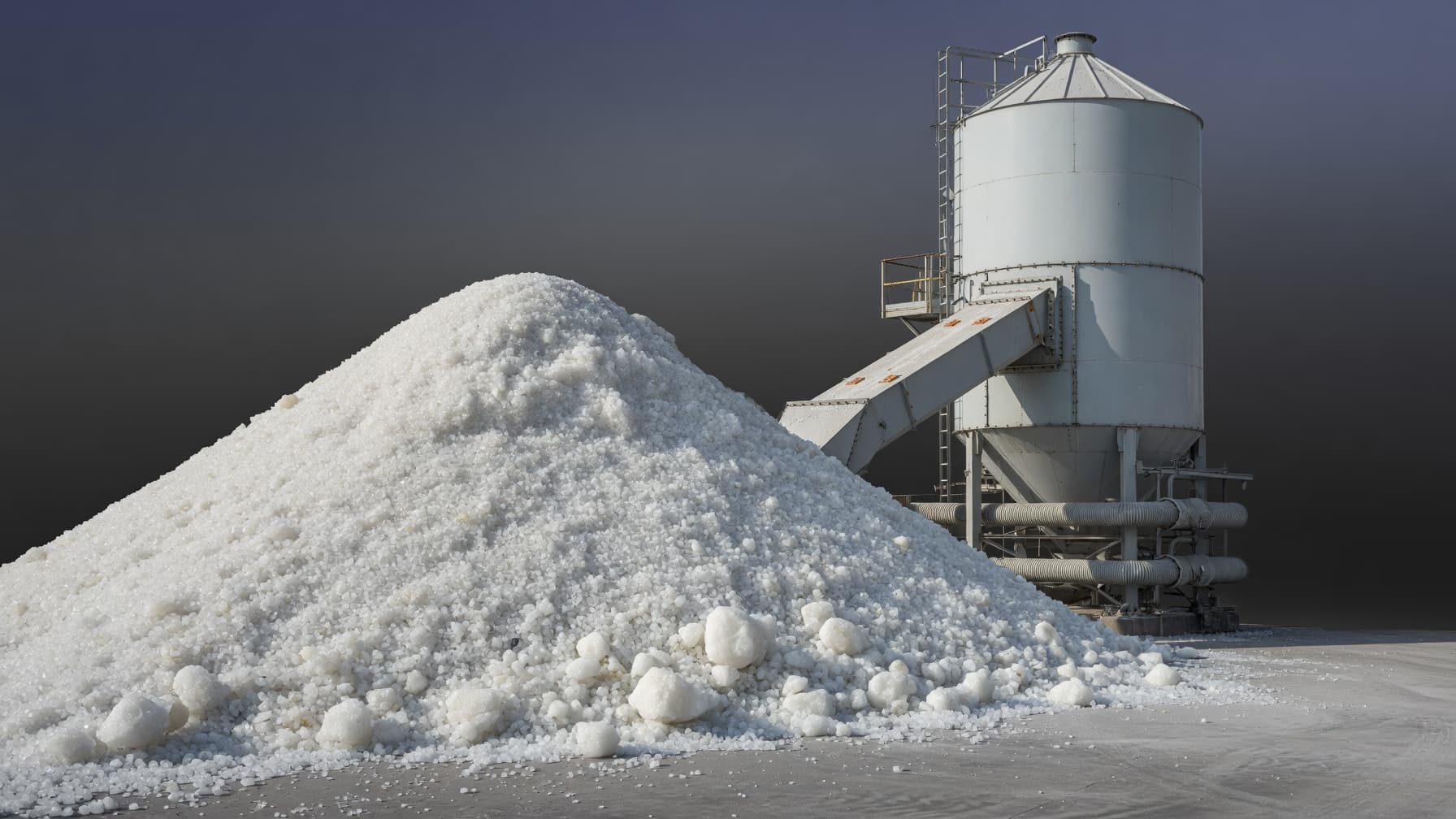
Capacity reductions by Solvay in Europe and Searles Valley Minerals in California highlight structural changes in the global soda ash market. Procurement teams should understand how supply rationalization could influence pricing, investment and long-term sourcing strategies.

Most major chemical companies reported weaker sales and earnings during 2025, with DuPont standing out as a notable exception. Procurement teams should understand what these financial results reveal about demand, pricing and the future direction of the global chemical industry.
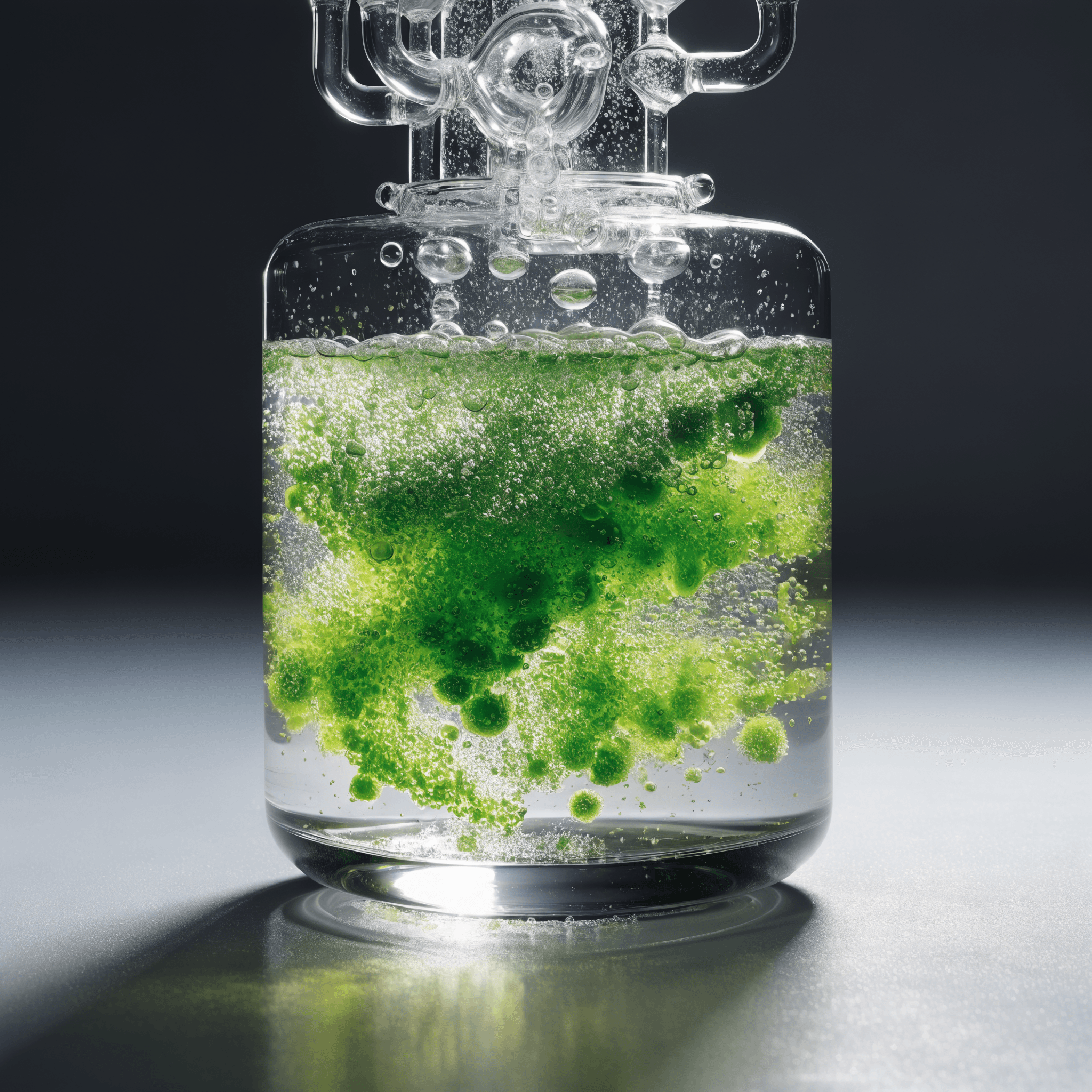
Fermentation-based marine ingredients such as algal DHA, astaxanthin and beta-glucan offer food manufacturers a more resilient supply chain during periods of global shipping disruption. Procurement teams should understand why production geography matters as much as ingredient performance.

More than 22,500 mariners remain stuck on over 1,550 vessels in the Persian Gulf, a human crisis behind every delayed chemical shipment. For procurement teams sourcing from Gulf producers, this is no longer a distant headline but a direct line item in supply chain risk.
We're committed to your privacy. Tradeasia uses the information you provide to us to contact you about our relevant content, products, and services. For more information, check out our privacy policy.