Polyethylene Terephthalate (PET) CAS: 25038-59-9

The withdrawal of the proposed 20% Hormuz cargo fee only days after it was announced highlights how quickly trade policy can change. Chemical procurement and compliance teams should document policy shifts and maintain flexible compliance processes to reduce operational risk.
UNCTAD's formal Hormuz Strait Disruptions assessment one of the most authoritative quantifications of the crisis's trade impact
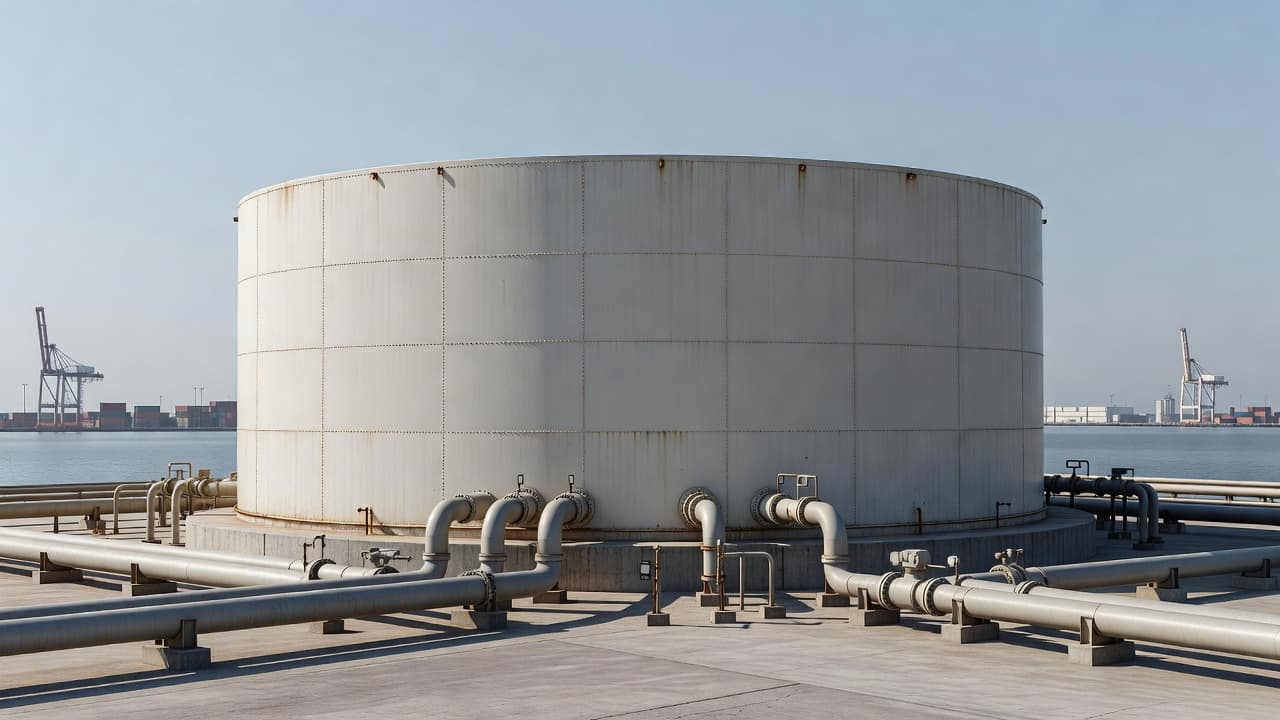
Chemical supply chains depend on stable trade routes, diplomatic channels and predictable negotiations. The Oman crisis shows how quickly geopolitical decisions can affect sourcing strategies, supplier confidence and procurement planning.
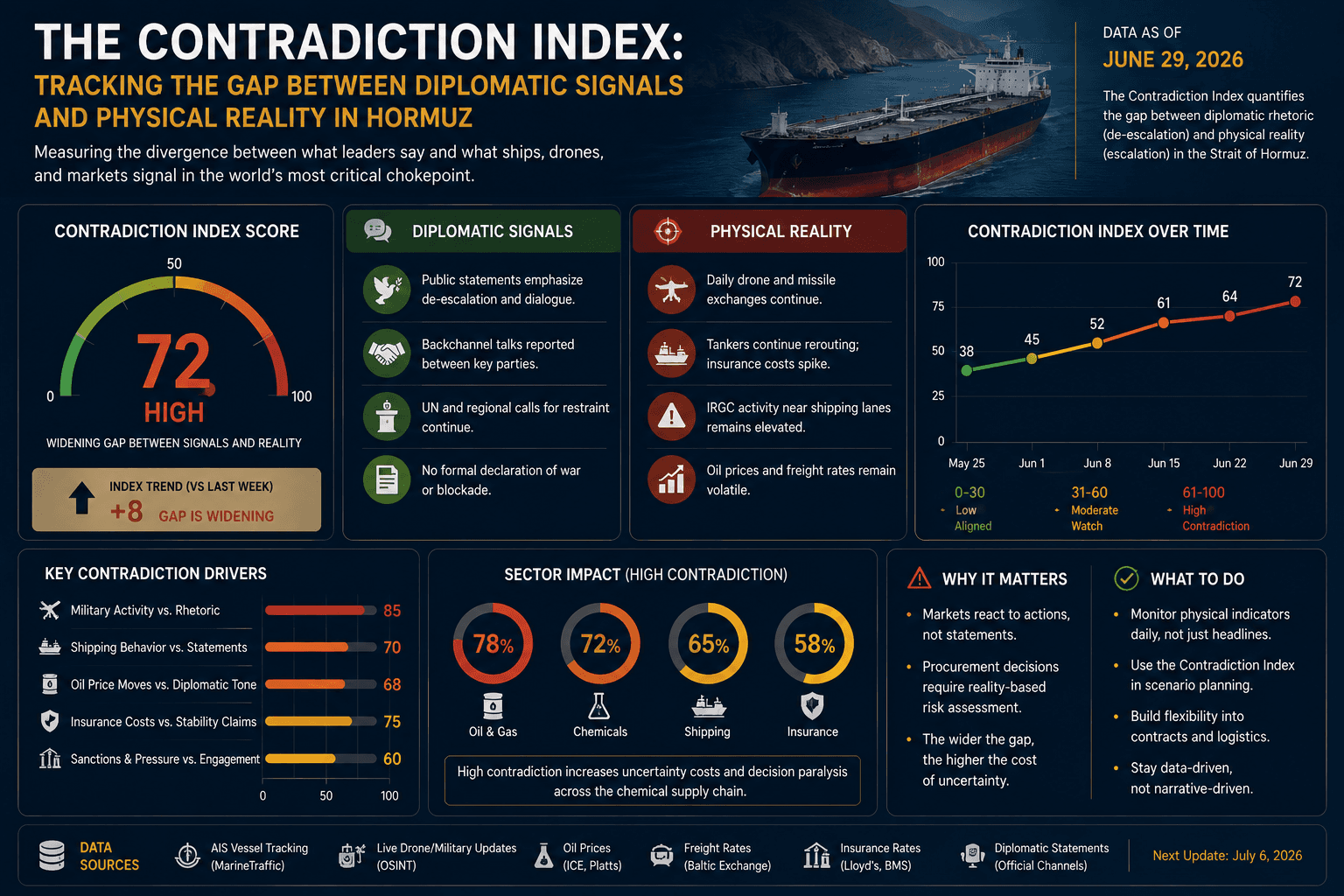
July 1 reveals the biggest contradiction of the Hormuz crisis so far: diplomacy suggests progress, but physical shipping data shows continued disruption. For chemical procurement professionals, understanding the gap between political signals and operational reality has become essential for making correct supply chain decisions.
China’s dominance in herbicide and pesticide production is facing growing scrutiny as regulatory pressure, trade investigations, and supply concentration risks push global buyers toward diversified sourcing strategies and alternative suppliers like India.
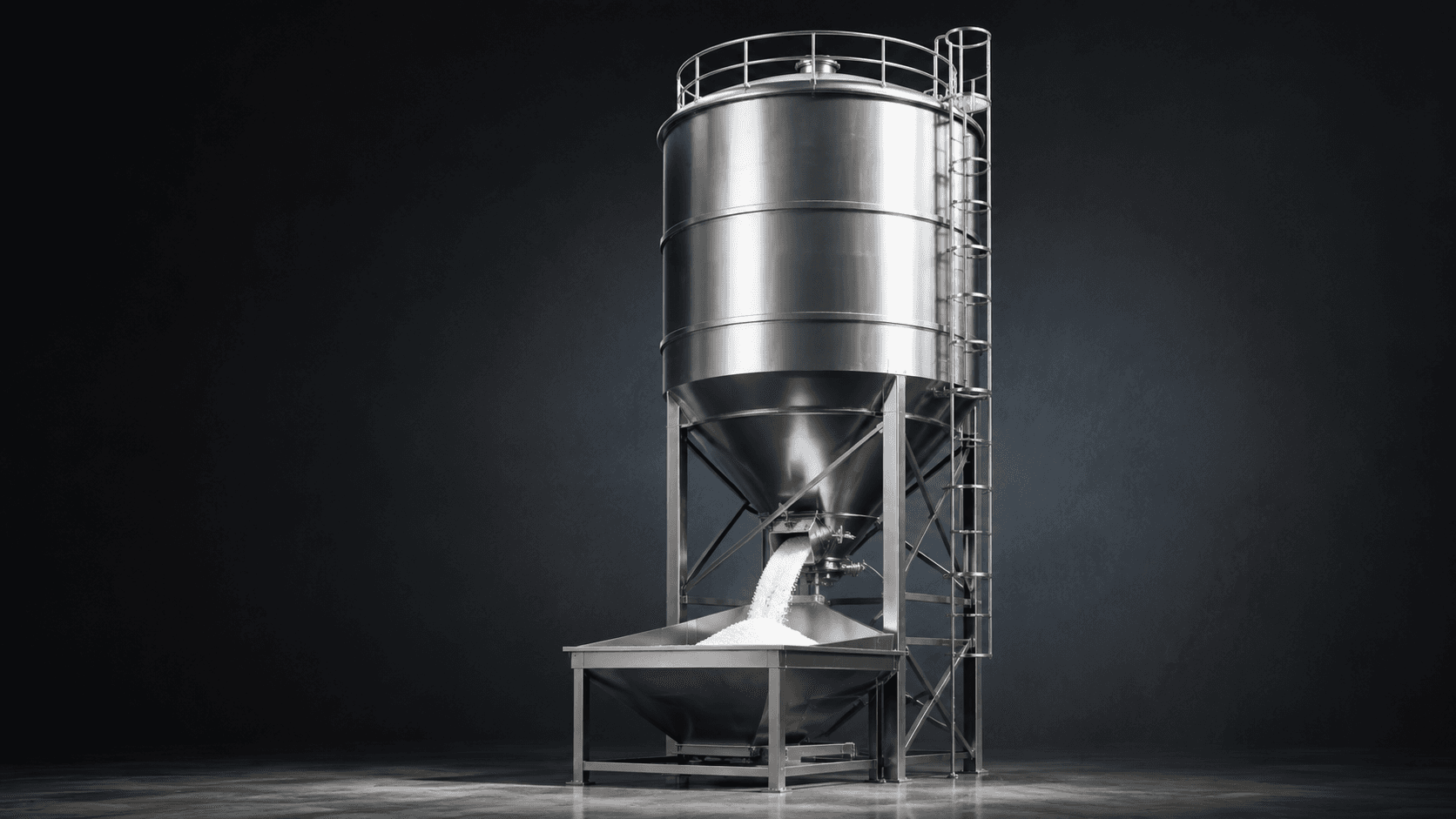
Soda ash markets in China and Europe are moving in opposite directions as oversupply meets scarcity. This June 2026 analysis explores the drivers behind the widening price gap and the opportunities emerging for traders, importers and procurement teams.
We're committed to your privacy. Tradeasia uses the information you provide to us to contact you about our relevant content, products, and services. For more information, check out our privacy policy.