

Related Insights
Biomethanol: The Resilient, Low‑Carbon Methanol Alternative in a Crisis‑Prone Supply Chain
As global disruptions strain traditional methanol supply chains, biomethanol—made from renewable feedstocks—offers a greener, more resilient alternative. With ISCC Plus and RSB certifications, it supports decarbonized chemicals, green shipping fuel, and sustainable procurement.
13 July 2026 Tradeasia Team

Brazil’s Sugarcane Biorefinery: A Model for Renewable Ethanol and Sustainable Feedstocks
Learn how Brazil’s integrated sugarcane biorefinery model produces renewable ethanol, energy, and bio‑based chemicals with supply‑chain resilience and certification support. The model showcases green chemistry and sustainable feedstocks. Explore the strategy behind Brazil’s bioethanol leadership.
13 July 2026 Tradeasia Team

Gum Rosin; a Sustainable Solution Found in Our Everyday Products
Introduction Understanding the sustainable options accessible is crucial as people value eco-friendly purchases more and more. One such solution that has advantages beyond its functional features is gum rosin. Gum rosin, which is made from pine trees, has extraordinary adaptability that goes
30 May 2023 Tradeasia Team

How Stearic Acid Can Benefit Both Your Skin and the Environment
We frequently concentrate on the advantages skincare products can offer for our skin while deciding on them. However, have you ever paused to think about how these products affect the environment? It's crucial to look into the role that skincare products and the ingredients they contain play in this
23 May 2023 Tradeasia Team
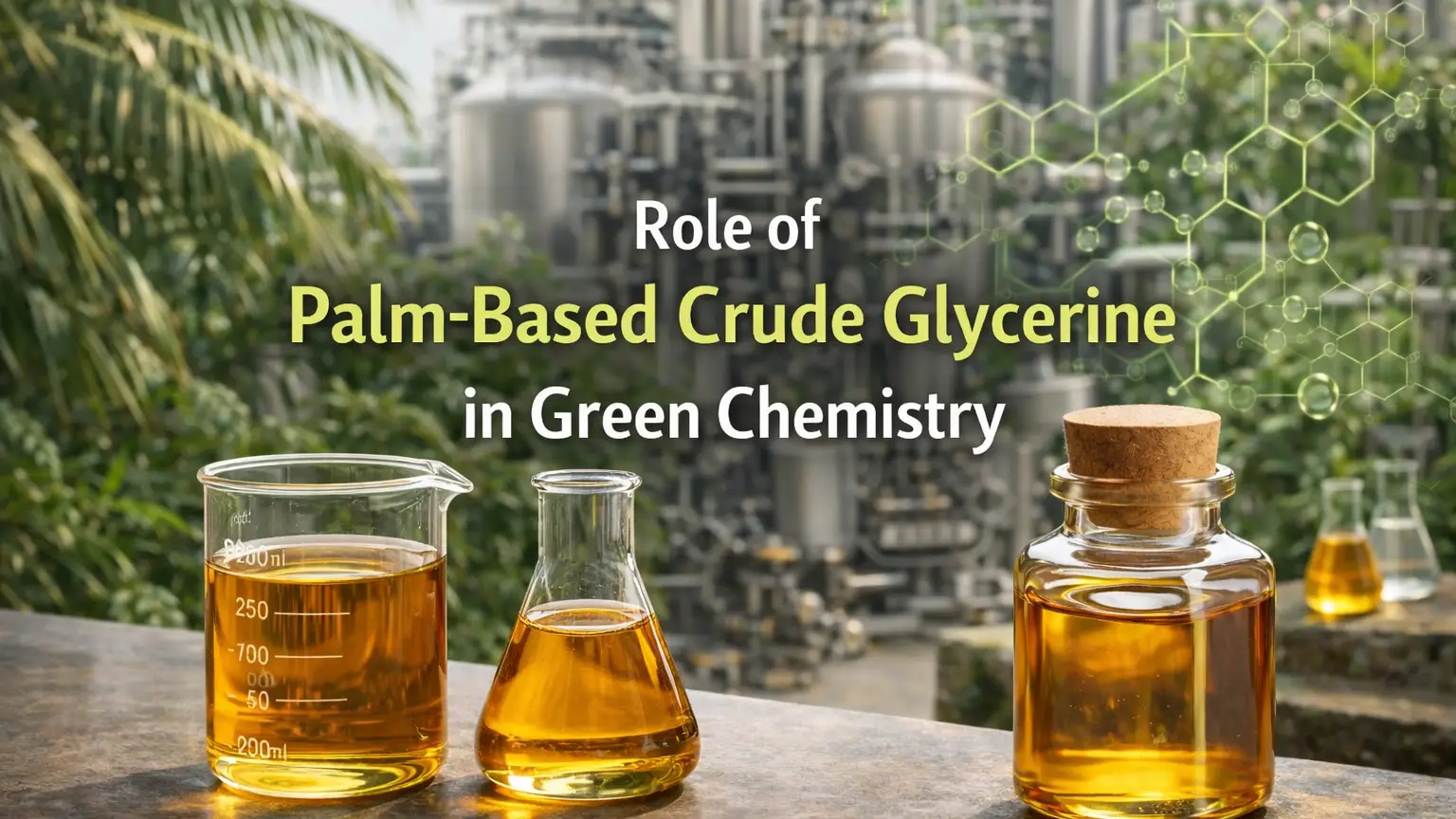
Role of Palm-Based Crude Glycerine in Green Chemistry
Discover how palm-based crude glycerine supports green chemistry as a renewable feedstock for sustainable chemical production.
15 January 2026 Tradeasia Team

The Environmental Benefits of Sodium Sulphate as a Dyeing Agent in Textile Manufacturing
Textile manufacturing is an industry that heavily relies on the use of dyes to create the colorful fabrics we wear every day. However, the process of dyeing can have negative impacts on the environment, including water pollution and the release of toxic chemicals. The textile industry is a major con
03 March 2023 Tradeasia Team
Don't miss out on our updates! Subscribe to our newsletter now
We're committed to your privacy. Tradeasia uses the information you provide to us to contact you about our relevant content, products, and services. For more information, check out our privacy policy.