
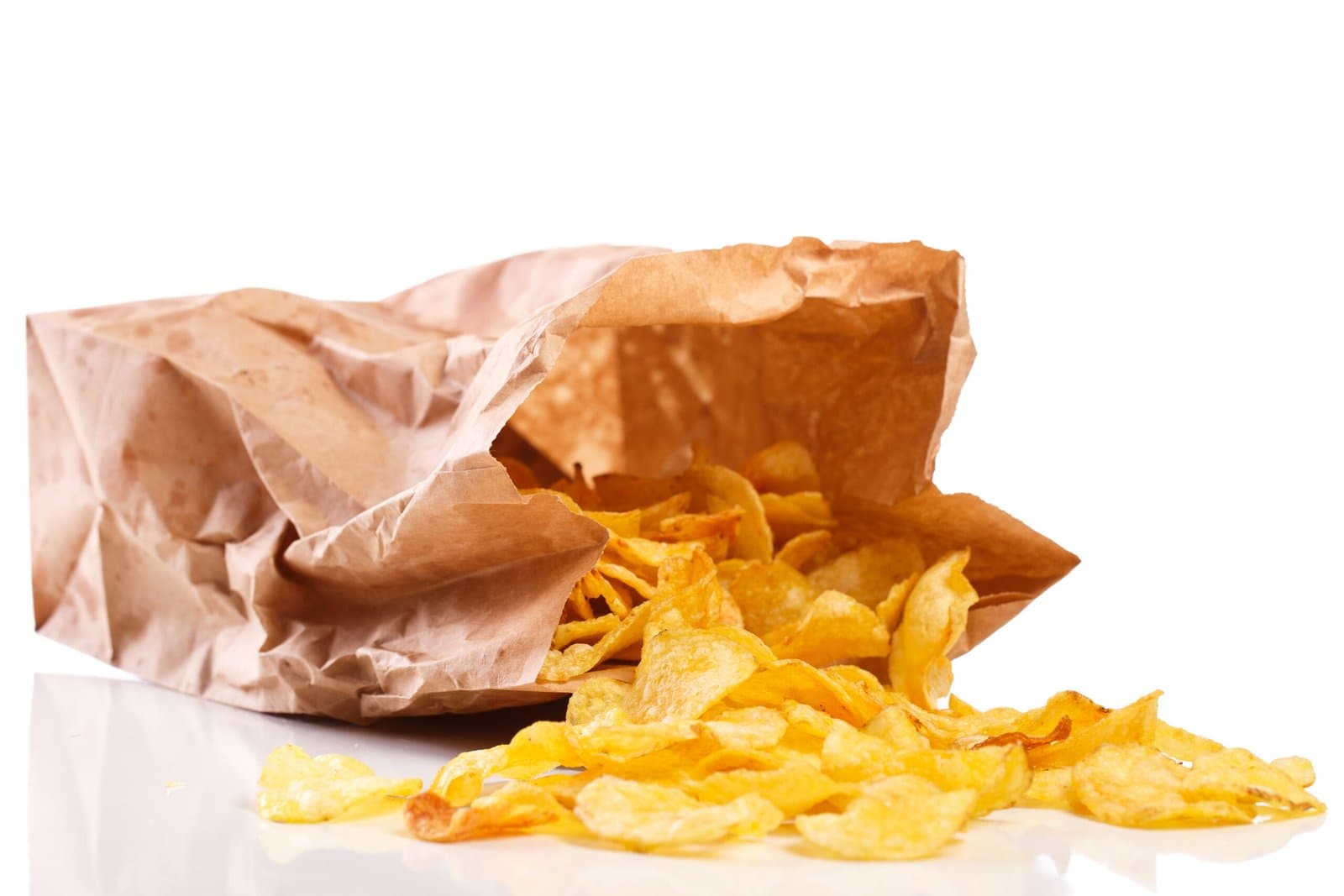
 The UN Environment Programme estimates that each year, humans produce roughly 400 million tons of plastic garbage. Half of that is single-use plastic, such as potato chip bags.
A moisture barrier (often biaxially oriented polypropylene) is placed inside most bags for potato chips and other crunchy snacks, followed by a layer of low-density polyethylene in the middle, and an exterior layer of thermoplastic resin. Polymers, like other plastics, have two drawbacks from an environmental perspective: they are derived from petroleum, and they will never degrade.
These plastic bags eventually end up in landfills or rivers and break down into microplastics that are later absorbed by humans and aquatic life.
Snack companies of all sizes are now seeking a means to break that cycle with new packaging materials at the request of consumers and in the shadow of impending legislation. Who will prevail is the only issue in doubt.
In 2019, Cuétara Foods CEO Florencio Cuétara and Dr. Russ Petrie, an orthopedic surgeon in California, launched Okeanos, a company that employs calcium carbonate to make wraps for flowers as well as bags for snacks, rice, coffee, and salt.
Little amounts of calcium carbonate (CaCO3), a mineral naturally present in stone and rocks, have been utilized as filler in packaging in the past. The "Made from Stone" technique that Cuétara and Petrie created contains up to 70% calcium carbonate and the rest is resin. The company makes flexible, lightweight bags that float on water. Manufacturers in 15 nations, including Brazil, India, Canada, the Philippines, and the US, already use this technology.
It took Sean Mason and Mark Green, co-founders of the British crisps business Two Farmers, five years to discover a packaging material that would preserve the crunchiness of their chips while also degrading. 2019 saw the formal release of Two Farmers' gourmet potato chips in packaging that is 100 percent compostable and composed of eucalyptus cellulose. According to Mason, it takes bags from his company 30 to 36 weeks to disintegrate in household composting systems or 11 weeks in an industrial composter. Mason attributes David Attenborough's Blue Planet II with helping to raise awareness of single-use plastics in the UK.
With the introduction of a 100% biodegradable bag for SunChips in 2009, Frito-Lay North America launched its own venture into alternative packaging more than ten years ago. The bag, which comprised 90% polylactic acid, was infamous for being loud when opened or handled and, according to some reports, could reach 95 decibels. Frito-Lay discontinued it in 2010. Since then, Frito-Lay has made more slowly progress toward its objective of having all of its packaging be 100 percent recyclable, compostable, biodegradable, or reusable by 2025. In 2021, it introduced a bag for two of its Off the Eaten Path vegetarian chips consisting of 85% polylactic acid, which is generally manufactured of corn starch. (Aluminum coatings, inks, and adhesives make up the remainder.)
Businesses that aren't yet transitioning to plastic-free packaging may be obliged to do so in the future as regulators begin to take action. The European Union last year proposed new regulations requiring businesses selling goods in EU nations to make their packaging simpler to reuse, recycle, or compost. As part of a larger objective to minimize packaging waste by 5% from 2018 levels by 2030, the guidelines would also limit unused empty space in packaging. If the EU is successful, other countries may follow its example.
But, there are still many obstacles to overcome, and snack packs are merely a small part of the overall issue. The majority of developing nations lack recycling and composting infrastructure, and those that do frequently have deficient or inefficient systems. Yet, to effectively address plastic packaging as a whole, improvements must be made at every stage of its life cycle, from the raw materials to the length of use to the method of disposal.
Reference:
Wallace, Hannah. 2023. The Snack Bag of the Future Won’t Be Made from Plastic. Retrieved from https://www.bloomberg.com/news/articles/2023-03-27/snack-companies-try-alternative-packaging-to-ditch-plastic#xj4y7vzkg
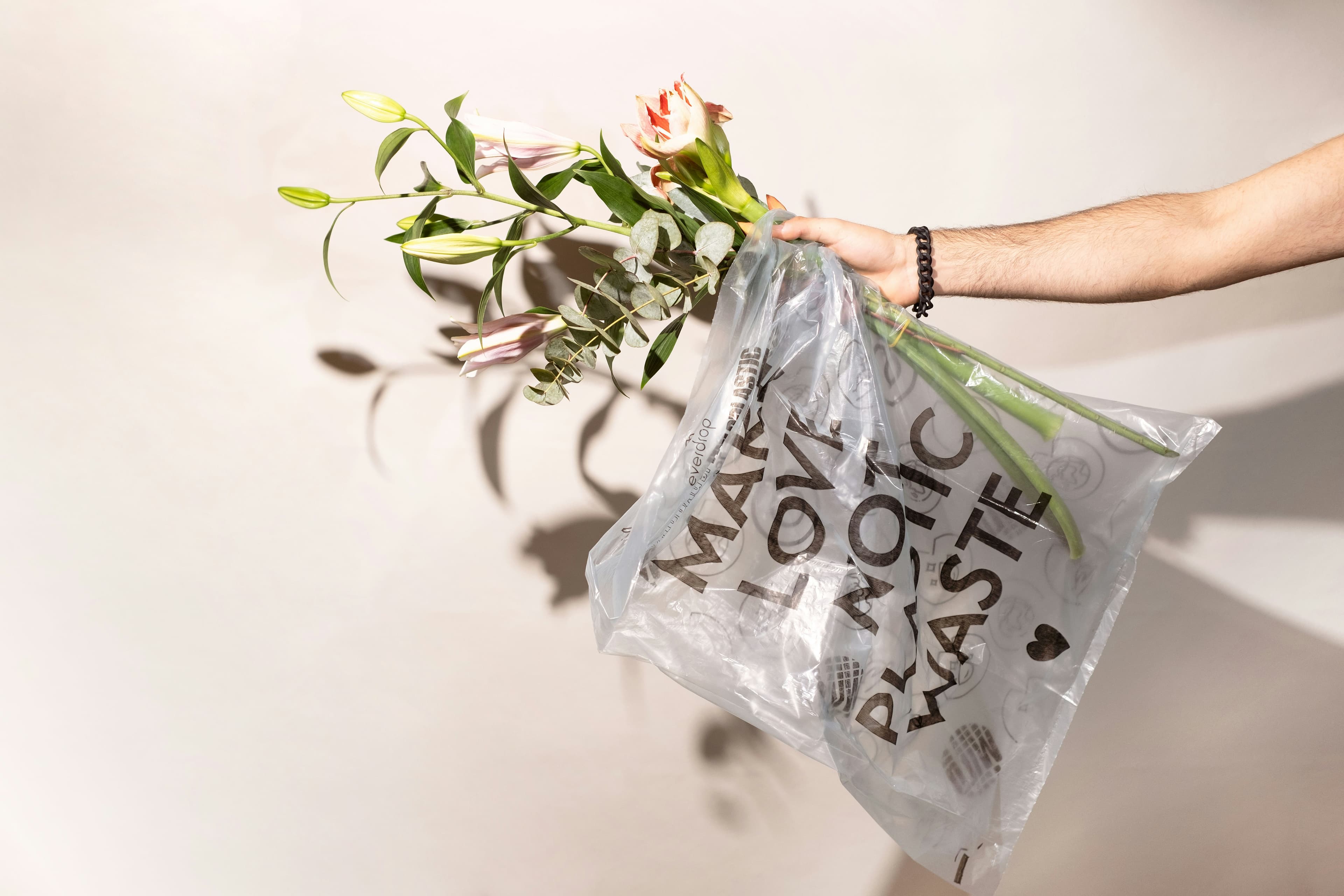
Photo by Racool_studio via https://www.freepik.com/
The UN Environment Programme estimates that each year, humans produce roughly 400 million tons of plastic garbage. Half of that is single-use plastic, such as potato chip bags.
A moisture barrier (often biaxially oriented polypropylene) is placed inside most bags for potato chips and other crunchy snacks, followed by a layer of low-density polyethylene in the middle, and an exterior layer of thermoplastic resin. Polymers, like other plastics, have two drawbacks from an environmental perspective: they are derived from petroleum, and they will never degrade.
These plastic bags eventually end up in landfills or rivers and break down into microplastics that are later absorbed by humans and aquatic life.
Snack companies of all sizes are now seeking a means to break that cycle with new packaging materials at the request of consumers and in the shadow of impending legislation. Who will prevail is the only issue in doubt.
In 2019, Cuétara Foods CEO Florencio Cuétara and Dr. Russ Petrie, an orthopedic surgeon in California, launched Okeanos, a company that employs calcium carbonate to make wraps for flowers as well as bags for snacks, rice, coffee, and salt.
Little amounts of calcium carbonate (CaCO3), a mineral naturally present in stone and rocks, have been utilized as filler in packaging in the past. The "Made from Stone" technique that Cuétara and Petrie created contains up to 70% calcium carbonate and the rest is resin. The company makes flexible, lightweight bags that float on water. Manufacturers in 15 nations, including Brazil, India, Canada, the Philippines, and the US, already use this technology.
It took Sean Mason and Mark Green, co-founders of the British crisps business Two Farmers, five years to discover a packaging material that would preserve the crunchiness of their chips while also degrading. 2019 saw the formal release of Two Farmers' gourmet potato chips in packaging that is 100 percent compostable and composed of eucalyptus cellulose. According to Mason, it takes bags from his company 30 to 36 weeks to disintegrate in household composting systems or 11 weeks in an industrial composter. Mason attributes David Attenborough's Blue Planet II with helping to raise awareness of single-use plastics in the UK.
With the introduction of a 100% biodegradable bag for SunChips in 2009, Frito-Lay North America launched its own venture into alternative packaging more than ten years ago. The bag, which comprised 90% polylactic acid, was infamous for being loud when opened or handled and, according to some reports, could reach 95 decibels. Frito-Lay discontinued it in 2010. Since then, Frito-Lay has made more slowly progress toward its objective of having all of its packaging be 100 percent recyclable, compostable, biodegradable, or reusable by 2025. In 2021, it introduced a bag for two of its Off the Eaten Path vegetarian chips consisting of 85% polylactic acid, which is generally manufactured of corn starch. (Aluminum coatings, inks, and adhesives make up the remainder.)
Businesses that aren't yet transitioning to plastic-free packaging may be obliged to do so in the future as regulators begin to take action. The European Union last year proposed new regulations requiring businesses selling goods in EU nations to make their packaging simpler to reuse, recycle, or compost. As part of a larger objective to minimize packaging waste by 5% from 2018 levels by 2030, the guidelines would also limit unused empty space in packaging. If the EU is successful, other countries may follow its example.
But, there are still many obstacles to overcome, and snack packs are merely a small part of the overall issue. The majority of developing nations lack recycling and composting infrastructure, and those that do frequently have deficient or inefficient systems. Yet, to effectively address plastic packaging as a whole, improvements must be made at every stage of its life cycle, from the raw materials to the length of use to the method of disposal.
Reference:
Wallace, Hannah. 2023. The Snack Bag of the Future Won’t Be Made from Plastic. Retrieved from https://www.bloomberg.com/news/articles/2023-03-27/snack-companies-try-alternative-packaging-to-ditch-plastic#xj4y7vzkg
Photo by Racool_studio via https://www.freepik.com/Going Green with Snack Bags: Moving Beyond Plastic Packaging
 The UN Environment Programme estimates that each year, humans produce roughly 400 million tons of plastic garbage. Half of that is single-use plastic, such as potato chip bags.
A moisture barrier (often biaxially oriented polypropylene) is placed inside most bags for potato chips and other crunchy snacks, followed by a layer of low-density polyethylene in the middle, and an exterior layer of thermoplastic resin. Polymers, like other plastics, have two drawbacks from an environmental perspective: they are derived from petroleum, and they will never degrade.
These plastic bags eventually end up in landfills or rivers and break down into microplastics that are later absorbed by humans and aquatic life.
Snack companies of all sizes are now seeking a means to break that cycle with new packaging materials at the request of consumers and in the shadow of impending legislation. Who will prevail is the only issue in doubt.
In 2019, Cuétara Foods CEO Florencio Cuétara and Dr. Russ Petrie, an orthopedic surgeon in California, launched Okeanos, a company that employs calcium carbonate to make wraps for flowers as well as bags for snacks, rice, coffee, and salt.
Little amounts of calcium carbonate (CaCO3), a mineral naturally present in stone and rocks, have been utilized as filler in packaging in the past. The "Made from Stone" technique that Cuétara and Petrie created contains up to 70% calcium carbonate and the rest is resin. The company makes flexible, lightweight bags that float on water. Manufacturers in 15 nations, including Brazil, India, Canada, the Philippines, and the US, already use this technology.
It took Sean Mason and Mark Green, co-founders of the British crisps business Two Farmers, five years to discover a packaging material that would preserve the crunchiness of their chips while also degrading. 2019 saw the formal release of Two Farmers' gourmet potato chips in packaging that is 100 percent compostable and composed of eucalyptus cellulose. According to Mason, it takes bags from his company 30 to 36 weeks to disintegrate in household composting systems or 11 weeks in an industrial composter. Mason attributes David Attenborough's Blue Planet II with helping to raise awareness of single-use plastics in the UK.
With the introduction of a 100% biodegradable bag for SunChips in 2009, Frito-Lay North America launched its own venture into alternative packaging more than ten years ago. The bag, which comprised 90% polylactic acid, was infamous for being loud when opened or handled and, according to some reports, could reach 95 decibels. Frito-Lay discontinued it in 2010. Since then, Frito-Lay has made more slowly progress toward its objective of having all of its packaging be 100 percent recyclable, compostable, biodegradable, or reusable by 2025. In 2021, it introduced a bag for two of its Off the Eaten Path vegetarian chips consisting of 85% polylactic acid, which is generally manufactured of corn starch. (Aluminum coatings, inks, and adhesives make up the remainder.)
Businesses that aren't yet transitioning to plastic-free packaging may be obliged to do so in the future as regulators begin to take action. The European Union last year proposed new regulations requiring businesses selling goods in EU nations to make their packaging simpler to reuse, recycle, or compost. As part of a larger objective to minimize packaging waste by 5% from 2018 levels by 2030, the guidelines would also limit unused empty space in packaging. If the EU is successful, other countries may follow its example.
But, there are still many obstacles to overcome, and snack packs are merely a small part of the overall issue. The majority of developing nations lack recycling and composting infrastructure, and those that do frequently have deficient or inefficient systems. Yet, to effectively address plastic packaging as a whole, improvements must be made at every stage of its life cycle, from the raw materials to the length of use to the method of disposal.
Reference:
Wallace, Hannah. 2023. The Snack Bag of the Future Won’t Be Made from Plastic. Retrieved from https://www.bloomberg.com/news/articles/2023-03-27/snack-companies-try-alternative-packaging-to-ditch-plastic#xj4y7vzkg
Photo by Racool_studio via https://www.freepik.com/
The UN Environment Programme estimates that each year, humans produce roughly 400 million tons of plastic garbage. Half of that is single-use plastic, such as potato chip bags.
A moisture barrier (often biaxially oriented polypropylene) is placed inside most bags for potato chips and other crunchy snacks, followed by a layer of low-density polyethylene in the middle, and an exterior layer of thermoplastic resin. Polymers, like other plastics, have two drawbacks from an environmental perspective: they are derived from petroleum, and they will never degrade.
These plastic bags eventually end up in landfills or rivers and break down into microplastics that are later absorbed by humans and aquatic life.
Snack companies of all sizes are now seeking a means to break that cycle with new packaging materials at the request of consumers and in the shadow of impending legislation. Who will prevail is the only issue in doubt.
In 2019, Cuétara Foods CEO Florencio Cuétara and Dr. Russ Petrie, an orthopedic surgeon in California, launched Okeanos, a company that employs calcium carbonate to make wraps for flowers as well as bags for snacks, rice, coffee, and salt.
Little amounts of calcium carbonate (CaCO3), a mineral naturally present in stone and rocks, have been utilized as filler in packaging in the past. The "Made from Stone" technique that Cuétara and Petrie created contains up to 70% calcium carbonate and the rest is resin. The company makes flexible, lightweight bags that float on water. Manufacturers in 15 nations, including Brazil, India, Canada, the Philippines, and the US, already use this technology.
It took Sean Mason and Mark Green, co-founders of the British crisps business Two Farmers, five years to discover a packaging material that would preserve the crunchiness of their chips while also degrading. 2019 saw the formal release of Two Farmers' gourmet potato chips in packaging that is 100 percent compostable and composed of eucalyptus cellulose. According to Mason, it takes bags from his company 30 to 36 weeks to disintegrate in household composting systems or 11 weeks in an industrial composter. Mason attributes David Attenborough's Blue Planet II with helping to raise awareness of single-use plastics in the UK.
With the introduction of a 100% biodegradable bag for SunChips in 2009, Frito-Lay North America launched its own venture into alternative packaging more than ten years ago. The bag, which comprised 90% polylactic acid, was infamous for being loud when opened or handled and, according to some reports, could reach 95 decibels. Frito-Lay discontinued it in 2010. Since then, Frito-Lay has made more slowly progress toward its objective of having all of its packaging be 100 percent recyclable, compostable, biodegradable, or reusable by 2025. In 2021, it introduced a bag for two of its Off the Eaten Path vegetarian chips consisting of 85% polylactic acid, which is generally manufactured of corn starch. (Aluminum coatings, inks, and adhesives make up the remainder.)
Businesses that aren't yet transitioning to plastic-free packaging may be obliged to do so in the future as regulators begin to take action. The European Union last year proposed new regulations requiring businesses selling goods in EU nations to make their packaging simpler to reuse, recycle, or compost. As part of a larger objective to minimize packaging waste by 5% from 2018 levels by 2030, the guidelines would also limit unused empty space in packaging. If the EU is successful, other countries may follow its example.
But, there are still many obstacles to overcome, and snack packs are merely a small part of the overall issue. The majority of developing nations lack recycling and composting infrastructure, and those that do frequently have deficient or inefficient systems. Yet, to effectively address plastic packaging as a whole, improvements must be made at every stage of its life cycle, from the raw materials to the length of use to the method of disposal.
Reference:
Wallace, Hannah. 2023. The Snack Bag of the Future Won’t Be Made from Plastic. Retrieved from https://www.bloomberg.com/news/articles/2023-03-27/snack-companies-try-alternative-packaging-to-ditch-plastic#xj4y7vzkg
Photo by Racool_studio via https://www.freepik.com/Related Insights
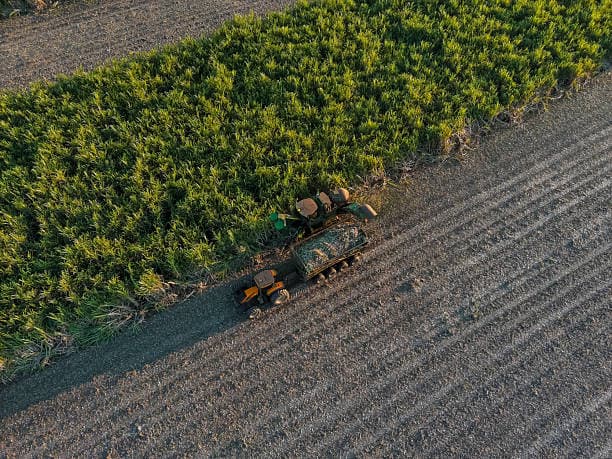
Brazil’s Sugarcane Biorefinery: A Model for Renewable Ethanol and Sustainable Feedstocks
Learn how Brazil’s integrated sugarcane biorefinery model produces renewable ethanol, energy, and bio‑based chemicals with supply‑chain resilience and certification support. The model showcases green chemistry and sustainable feedstocks. Explore the strategy behind Brazil’s bioethanol leadership.
13 July 2026 Tradeasia Team
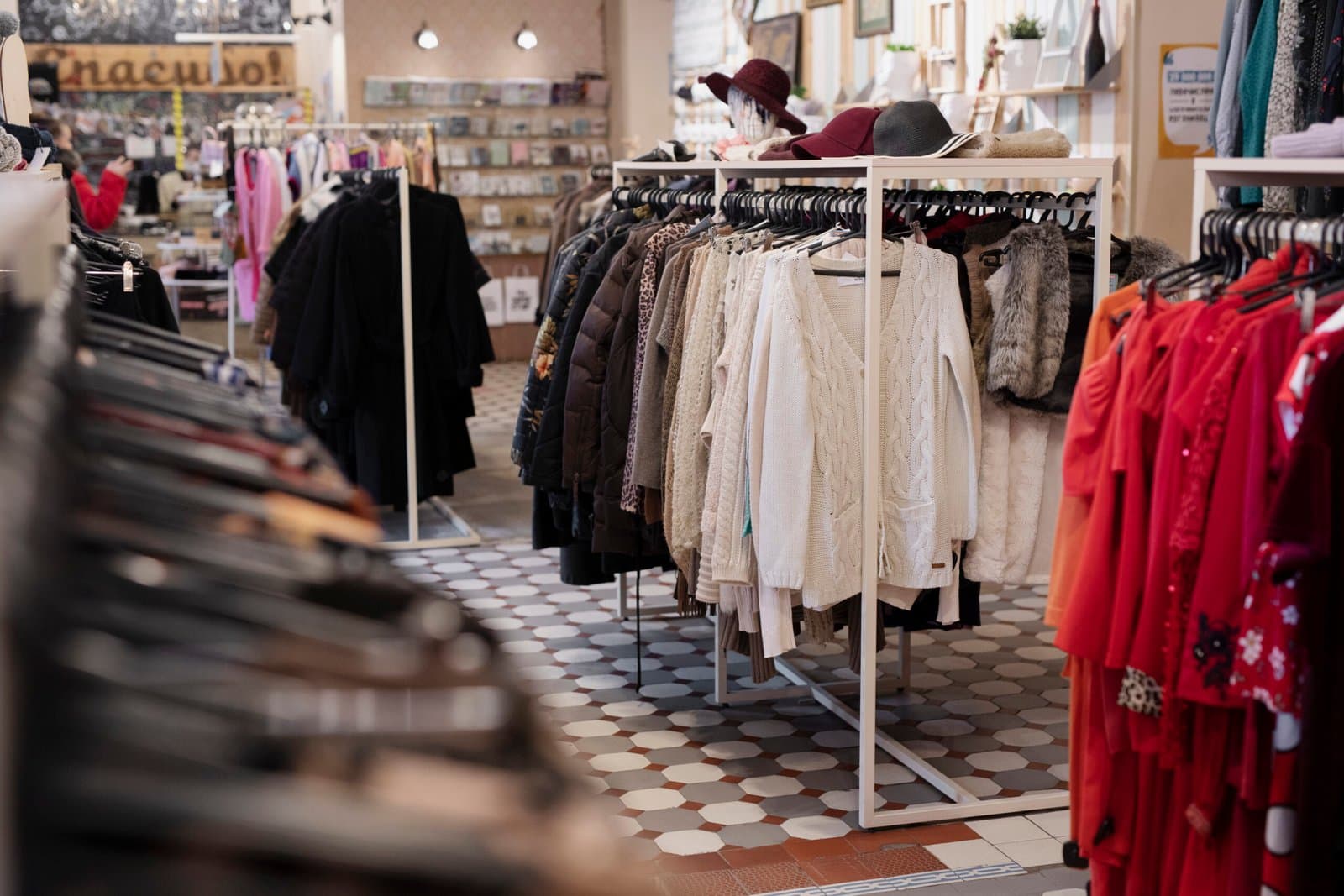
Exploring the Harmful Environmental Footprint of Fast, Low-Cost Fashion
Clothing manufacturers produce new fashions on an ever-shorter schedule and sell them for so little (say $5 for a blouse or $20 for jeans) that customers buy more and more, sometimes only wearing them a few times. However, the surge in clothing production has raised carbon emissions and other envir
16 June 2023 Tradeasia Team
PET Packaging and the Circular Economy: How EU Packaging Regulation Affects Polymer Procurement
The EU Packaging and Packaging Waste Regulation (PPWR) — confirmed as advancing through EU
07 July 2026 Tradeasia Team

PetroChina's Renewable Electricity Cracker and Pharmaceutical Chemical Green Supply Chains
PetroChina has big projects under construction. It is spending $4.7 billion and $4.2 billion
08 July 2026 Tradeasia Team

Size of the US Green Economy as a Measure of Its Environmental Consciousness
How much of a nation's economy is committed to safeguarding, restoring, and preserving the natural environment may be a good indicator of how environmentally conscious that nation is. Although the U.S. has previously made an effort to track "green jobs" and "green goods and services," the U.S. gover
06 June 2023 Tradeasia Team
Sustainable Packaging Chemicals: Life After Single-Use Plastics
The shift away from single-use plastic packaging is creating demand for new categories of packaging chemicals
18 June 2026 Tradeasia Team
Don't miss out on our updates! Subscribe to our newsletter now
We're committed to your privacy. Tradeasia uses the information you provide to us to contact you about our relevant content, products, and services. For more information, check out our privacy policy.