

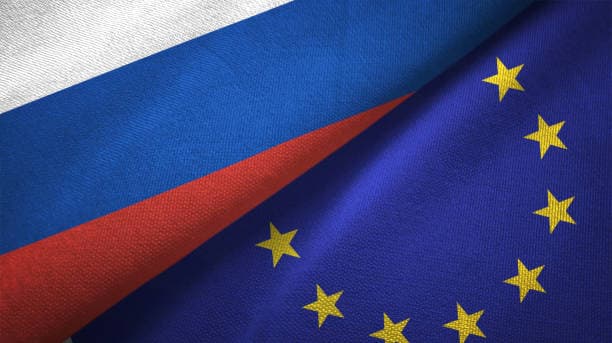
The European Union’s new customs duties on Russian nitrogen, phosphate, and potash have forced farmers and traders worldwide to rethink sourcing, logistics, and pricing strategies. This article explores how the tariffs are reshaping global fertilizer markets, freight routes, and procurement decisions across the agricultural supply chain.
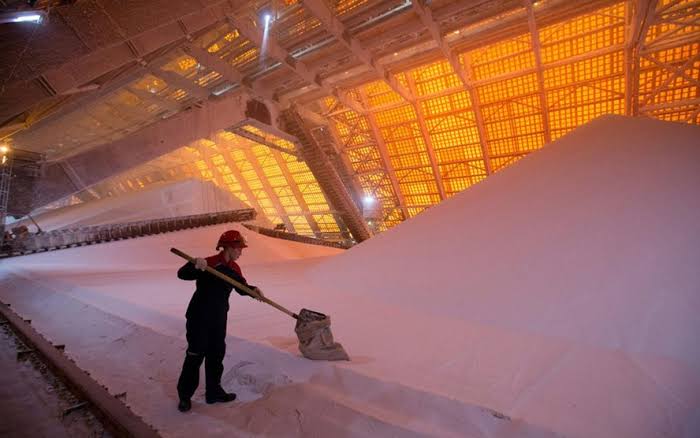
EU tariffs on Russian fertilizer, effective July 1, are redirecting supplies toward Brazil, India, and potentially the US. Explore the global supply chain implications.

LyondellBasell Industries made a significant step in its streamlining plan last year by signing a deal
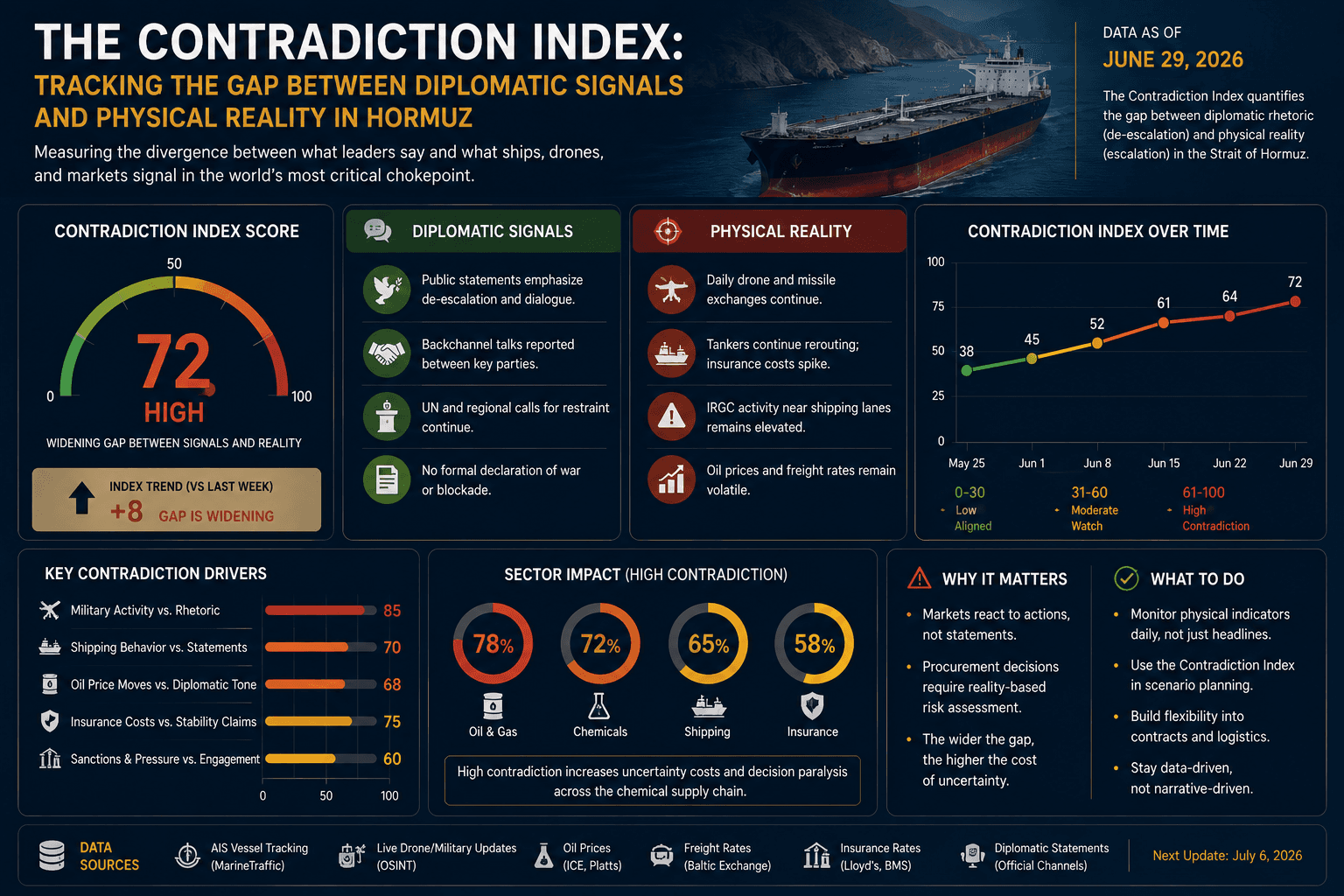
July 1 reveals the biggest contradiction of the Hormuz crisis so far: diplomacy suggests progress, but physical shipping data shows continued disruption. For chemical procurement professionals, understanding the gap between political signals and operational reality has become essential for making correct supply chain decisions.

South Korea’s petrochemical sector is emerging from a wave of force majeure declarations as LG Chem, Lotte Chemical and Hanwha Solutions resume normal cracker operations. Naphtha and LPG supplies are stabilising, Brent crude is stabilising, and battery‑material chemicals such as NMP, PVDF and LiPF6 are seeing renewed demand. Global buyers must navigate contract renegotiations, delivery commitments and a tightening supply chain to secure competitive pricing and reliable logistics.
Iran’s new petrochemical export waivers could create sourcing opportunities for pharmaceutical chemical buyers, but unresolved OFAC sanctions create major legal uncertainty. Procurement teams should seek immediate sanctions counsel before considering Iranian-origin chemical sourcing.
We're committed to your privacy. Tradeasia uses the information you provide to us to contact you about our relevant content, products, and services. For more information, check out our privacy policy.