Calcium Chloride (E509) CAS: 10043-52-4
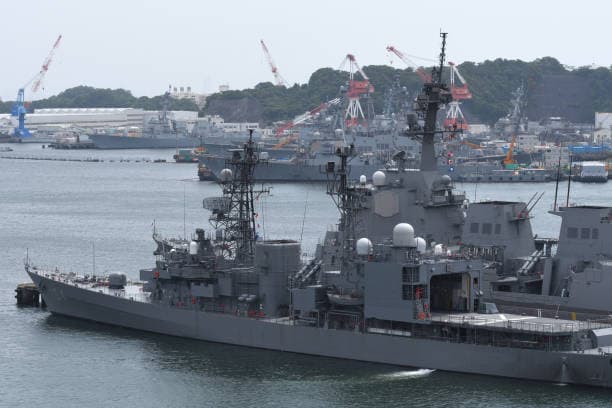
The recent strike on a Jordanian military base has highlighted that security threats in the Middle East extend far beyond the Strait of Hormuz. Freight planners must now account for new risks that can disrupt transport corridors and chemical supply chains across the region.
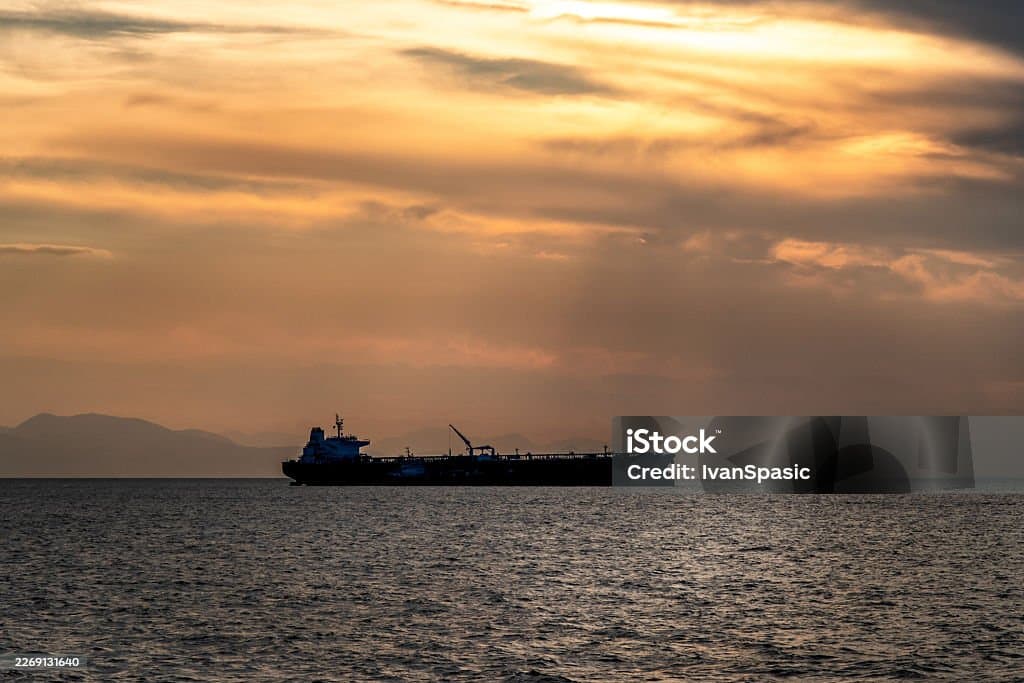
The recent improvement in convoy operations through the Strait of Hormuz has lowered the Hormuz Index, yet it remains alarmingly high at 90. Supply chain risk is still significant because factors beyond vessel movements—such as geopolitical tensions, port constraints, origination volatility, and cybersecurity threats—continue to loom. Chemical procurement teams must broaden their monitoring scope to stay ahead of these risks.
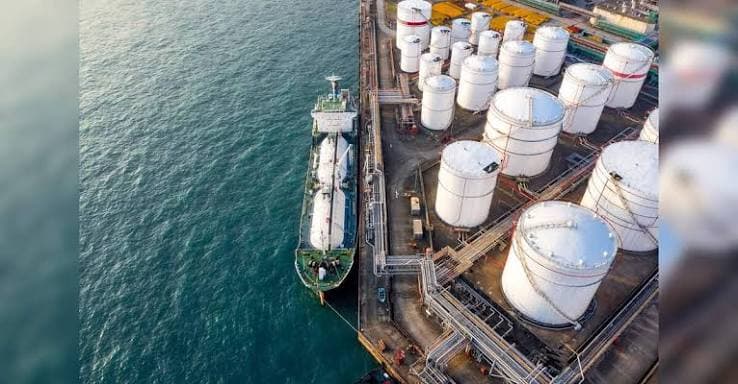
At the outbreak of conflict, Hapag‑Lloyd’s chief warned that logistics would remain disrupted long after hostilities cease. With Hormuz at a fraction of pre‑war traffic, carriers are still routing via the Cape of Good Hope. Chemical shippers must plan for the operational reality, not diplomatic optimism.
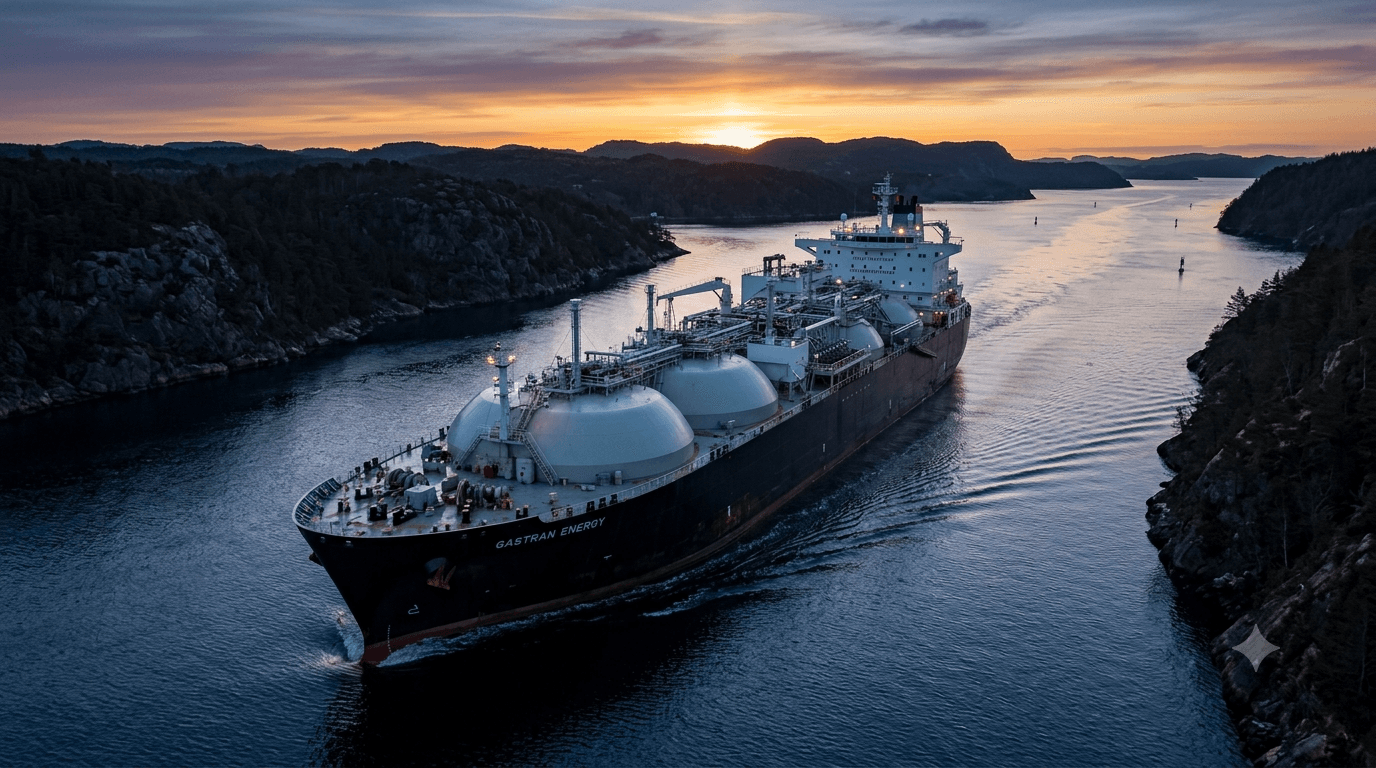
Headline reports often describe the Strait of Hormuz as closed during periods of military escalation, but AIS vessel tracking frequently tells a different story. This analysis explains why chemical traders and procurement teams should rely on verified shipping movements instead of political rhetoric when managing logistics, sourcing and freight risk.

The 2026 Hormuz crisis has reshaped chemical logistics and sustainability metrics across global supply chains. From emissions accounting changes to sourcing diversification and ammonia project delays, procurement teams now face structural shifts that will persist beyond the immediate disruption.

The Bürgenstock roadmap and recent Hormuz transit data signal a clear path for QAFCO and SABIC to resume ammonia exports in Q3 2026. While force majeure conditions may lift in July, mine clearance delays could postpone full tanker capacity until August. Agricultural and industrial buyers should prepare for an improved but staggered supply outlook.
We're committed to your privacy. Tradeasia uses the information you provide to us to contact you about our relevant content, products, and services. For more information, check out our privacy policy.