Related Insights

ACA Subsidy Cuts and Medical Device Demand: What the Regulatory Ripple Means for Healthcare Supply Chains
ACA subsidy reductions are emerging as a factor affecting medical procedure growth, with implications for medical device demand and healthcare manufacturing. Procurement professionals should understand how healthcare policy changes can influence purchasing patterns across the pharmaceutical and medical technology sectors.

Steam Cracker Economics: How China's High Utilization Is Squeezing European Petrochemical Producers
Chinese steam crackers operating near maximum capacity can spread fixed costs across larger output volumes and export surplus petrochemicals into global markets. European crackers averaging around 75% utilization face a widening cost disadvantage that could reshape polymer pricing, regional production and procurement strategies

Navigating the 40% Urea Import Dependency & Post-Crisis Policy Shifts
The Congressional Research Service report shows that 40% of U.S. agricultural urea arrives by water, exposing a strategic vulnerability. Legislative responses are reshaping maritime corridors and regional infrastructure. These changes aim to strengthen supply chain resilience for domestic markets.
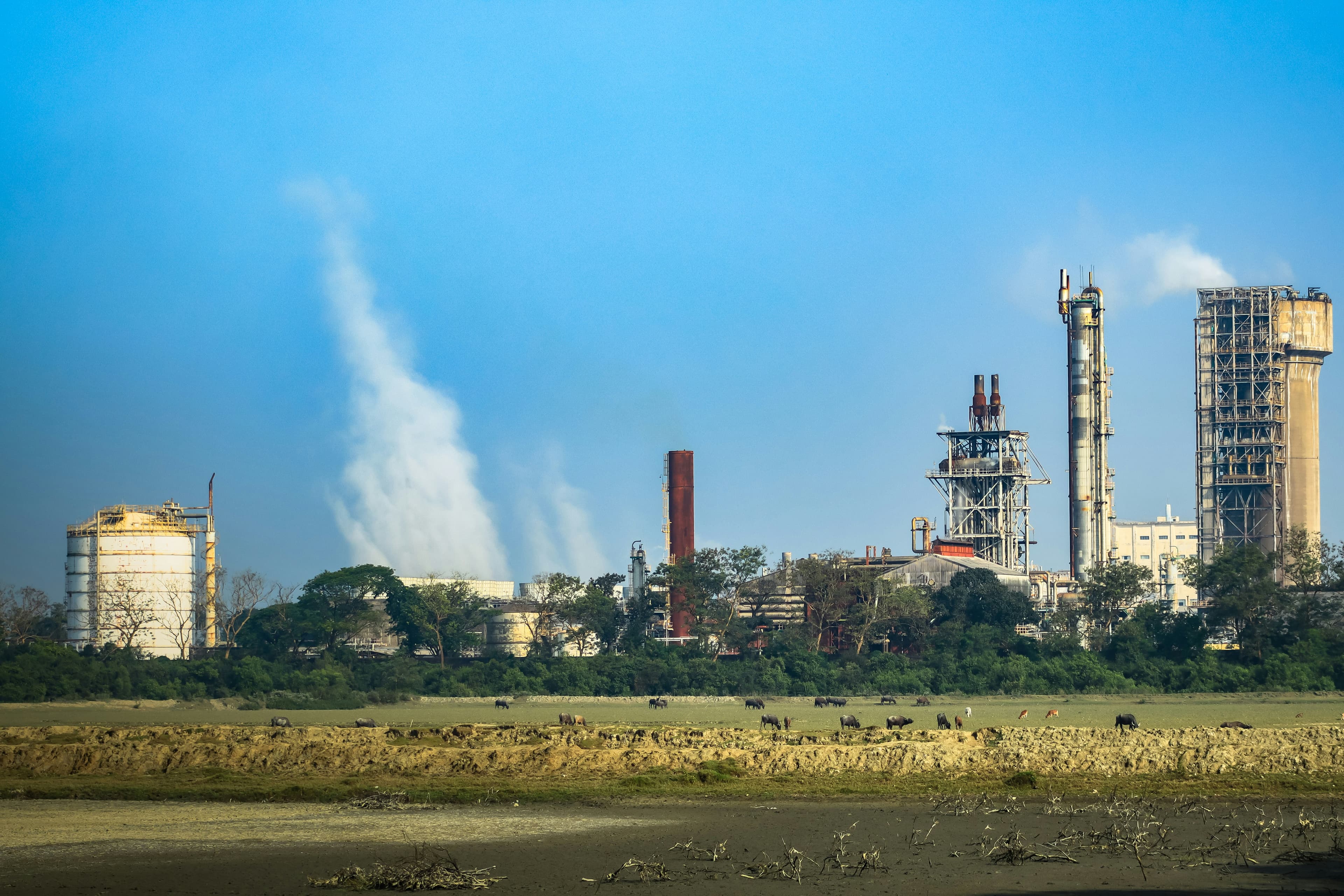
API Shortage Early Warning: Bangladesh Factory Restart as a Proxy Indicator
Bangladesh's state fertilizer factories still in restart assessment as of this week serve as a specific proxy indicator for pharmaceutical API

Fertilizer Food Security: UN Update — 9.1 Million Food-Insecure People Risk Contingent on July Supply
The UN warns 9.1 million more people in Asia could face acute food insecurity if fertilizer supply disruptions continue through July. For agricultural procurement teams, ammonia and urea supply recovery is now an operational priority with direct consequences for global crop production.

MSG and Umami: Mid-Year Supply Chain Review as Fufeng and Meihua Prepare H2 Pricing
The global MSG market enters a critical procurement period as major Chinese producers prepare their second half of 2026 pricing. Freight costs have eased, feedstock conditions remain favorable and buyers have a limited window to secure competitive contracts before new price schedules take effect.
Don't miss out on our updates! Subscribe to our newsletter now
We're committed to your privacy. Tradeasia uses the information you provide to us to contact you about our relevant content, products, and services. For more information, check out our privacy policy.