
 Reuters reported Middle Eastern crude prices in Asia dropped to their lowest point inmonths as Asian refiners held off on spot purchases and China and India gorged on cheap Russian oil.
In accordance with traders, Saudi Arabia, the world's largest exporter, may lower rates for its term cargoes to Asia for a second consecutive month in July as a result of the price decline. On Wednesday, the benchmark Dubai crude premium dropped to a 4-month low of 70 cents per barrel over Dubai quotes, and Qatar set the price of al-Shaheen for the July term at a 27-month low after increasing supplies.
China and India, the world's No. 1 and No. 3 crude importers, respectively, are purchasing record amounts of Russian crude at the highest prices since the December embargo, in contrast to Europe and the United States where sour crude prices have weakened due to the boycott of Russia's oil and the strong demand for alternative supplies.
Some Asian refiners reduced output in April 2023 as a result of low refining profits, according to traders.
Russian crude arrivals in China in May are predicted by shiptracking data from Kpler to be approximately 44 million barrels, the second-highest level ever. According to Vortexa statistics, China's commercial crude inventory increased to 950 million barrels this week from less than 900 million barrels two months prior, indicating that its refiners are not in a rush to purchase additional oil.
In June and July, Taiwan's Formosa Petrochemical (6505.TW) intends to reduce the amount of oil processed at its 450,000 bpd Mailiao refinery.
Following the closure of a 129,000 bpd unit last week by another Japanese refiner, Eneos (5020.T), Cosmo Oil (5021.T) of Japan shut down a 102,000 bpd crude processing facility on Wednesday.
Since lighter grades produce products of greater quality, their prices are often higher than those of heavier grades.
Additionally, American crude is becoming more expensive than Middle Eastern oil for Asian consumers, thereby narrowing the opportunity for arbitrage for American oil supplies to Asia.
References:
Xu, Muyu. 2023. Reuters: Sour crude prices weaken in Asia despite OPEC+ cuts. Retrieved from https://www.reuters.com/markets/commodities/sour-crude-prices-weaken-asia-despite-opec-cuts-2023-05-19/
Image by atlascompany via https://www.freepik.com/
Reuters reported Middle Eastern crude prices in Asia dropped to their lowest point inmonths as Asian refiners held off on spot purchases and China and India gorged on cheap Russian oil.
In accordance with traders, Saudi Arabia, the world's largest exporter, may lower rates for its term cargoes to Asia for a second consecutive month in July as a result of the price decline. On Wednesday, the benchmark Dubai crude premium dropped to a 4-month low of 70 cents per barrel over Dubai quotes, and Qatar set the price of al-Shaheen for the July term at a 27-month low after increasing supplies.
China and India, the world's No. 1 and No. 3 crude importers, respectively, are purchasing record amounts of Russian crude at the highest prices since the December embargo, in contrast to Europe and the United States where sour crude prices have weakened due to the boycott of Russia's oil and the strong demand for alternative supplies.
Some Asian refiners reduced output in April 2023 as a result of low refining profits, according to traders.
Russian crude arrivals in China in May are predicted by shiptracking data from Kpler to be approximately 44 million barrels, the second-highest level ever. According to Vortexa statistics, China's commercial crude inventory increased to 950 million barrels this week from less than 900 million barrels two months prior, indicating that its refiners are not in a rush to purchase additional oil.
In June and July, Taiwan's Formosa Petrochemical (6505.TW) intends to reduce the amount of oil processed at its 450,000 bpd Mailiao refinery.
Following the closure of a 129,000 bpd unit last week by another Japanese refiner, Eneos (5020.T), Cosmo Oil (5021.T) of Japan shut down a 102,000 bpd crude processing facility on Wednesday.
Since lighter grades produce products of greater quality, their prices are often higher than those of heavier grades.
Additionally, American crude is becoming more expensive than Middle Eastern oil for Asian consumers, thereby narrowing the opportunity for arbitrage for American oil supplies to Asia.
References:
Xu, Muyu. 2023. Reuters: Sour crude prices weaken in Asia despite OPEC+ cuts. Retrieved from https://www.reuters.com/markets/commodities/sour-crude-prices-weaken-asia-despite-opec-cuts-2023-05-19/
Image by atlascompany via https://www.freepik.com/Regardless of Cuts from OPEC+, Sour Crude Prices Declined in Asia
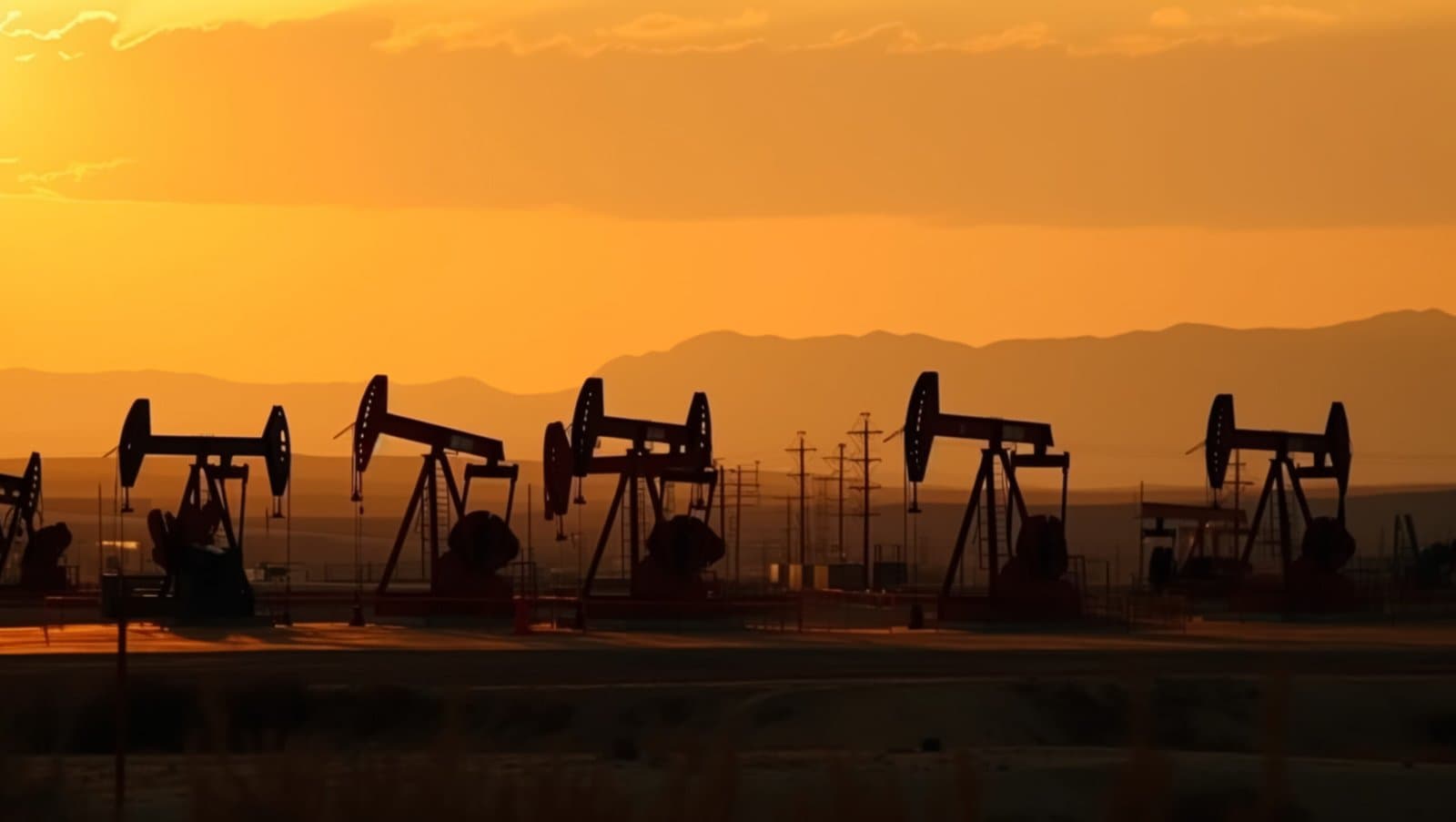 Reuters reported Middle Eastern crude prices in Asia dropped to their lowest point inmonths as Asian refiners held off on spot purchases and China and India gorged on cheap Russian oil.
In accordance with traders, Saudi Arabia, the world's largest exporter, may lower rates for its term cargoes to Asia for a second consecutive month in July as a result of the price decline. On Wednesday, the benchmark Dubai crude premium dropped to a 4-month low of 70 cents per barrel over Dubai quotes, and Qatar set the price of al-Shaheen for the July term at a 27-month low after increasing supplies.
China and India, the world's No. 1 and No. 3 crude importers, respectively, are purchasing record amounts of Russian crude at the highest prices since the December embargo, in contrast to Europe and the United States where sour crude prices have weakened due to the boycott of Russia's oil and the strong demand for alternative supplies.
Some Asian refiners reduced output in April 2023 as a result of low refining profits, according to traders.
Russian crude arrivals in China in May are predicted by shiptracking data from Kpler to be approximately 44 million barrels, the second-highest level ever. According to Vortexa statistics, China's commercial crude inventory increased to 950 million barrels this week from less than 900 million barrels two months prior, indicating that its refiners are not in a rush to purchase additional oil.
In June and July, Taiwan's Formosa Petrochemical (6505.TW) intends to reduce the amount of oil processed at its 450,000 bpd Mailiao refinery.
Following the closure of a 129,000 bpd unit last week by another Japanese refiner, Eneos (5020.T), Cosmo Oil (5021.T) of Japan shut down a 102,000 bpd crude processing facility on Wednesday.
Since lighter grades produce products of greater quality, their prices are often higher than those of heavier grades.
Additionally, American crude is becoming more expensive than Middle Eastern oil for Asian consumers, thereby narrowing the opportunity for arbitrage for American oil supplies to Asia.
References:
Xu, Muyu. 2023. Reuters: Sour crude prices weaken in Asia despite OPEC+ cuts. Retrieved from https://www.reuters.com/markets/commodities/sour-crude-prices-weaken-asia-despite-opec-cuts-2023-05-19/
Image by atlascompany via https://www.freepik.com/
Reuters reported Middle Eastern crude prices in Asia dropped to their lowest point inmonths as Asian refiners held off on spot purchases and China and India gorged on cheap Russian oil.
In accordance with traders, Saudi Arabia, the world's largest exporter, may lower rates for its term cargoes to Asia for a second consecutive month in July as a result of the price decline. On Wednesday, the benchmark Dubai crude premium dropped to a 4-month low of 70 cents per barrel over Dubai quotes, and Qatar set the price of al-Shaheen for the July term at a 27-month low after increasing supplies.
China and India, the world's No. 1 and No. 3 crude importers, respectively, are purchasing record amounts of Russian crude at the highest prices since the December embargo, in contrast to Europe and the United States where sour crude prices have weakened due to the boycott of Russia's oil and the strong demand for alternative supplies.
Some Asian refiners reduced output in April 2023 as a result of low refining profits, according to traders.
Russian crude arrivals in China in May are predicted by shiptracking data from Kpler to be approximately 44 million barrels, the second-highest level ever. According to Vortexa statistics, China's commercial crude inventory increased to 950 million barrels this week from less than 900 million barrels two months prior, indicating that its refiners are not in a rush to purchase additional oil.
In June and July, Taiwan's Formosa Petrochemical (6505.TW) intends to reduce the amount of oil processed at its 450,000 bpd Mailiao refinery.
Following the closure of a 129,000 bpd unit last week by another Japanese refiner, Eneos (5020.T), Cosmo Oil (5021.T) of Japan shut down a 102,000 bpd crude processing facility on Wednesday.
Since lighter grades produce products of greater quality, their prices are often higher than those of heavier grades.
Additionally, American crude is becoming more expensive than Middle Eastern oil for Asian consumers, thereby narrowing the opportunity for arbitrage for American oil supplies to Asia.
References:
Xu, Muyu. 2023. Reuters: Sour crude prices weaken in Asia despite OPEC+ cuts. Retrieved from https://www.reuters.com/markets/commodities/sour-crude-prices-weaken-asia-despite-opec-cuts-2023-05-19/
Image by atlascompany via https://www.freepik.com/Related Insights

Rupee Depreciation Adds a New Cost Variable to Indian API Exports
A continuing 14% rupee depreciation is repricing India's entire chemical supply chain
Ranking the Conflict's Reach: Impact on Global Chemical Supply Chains
The current escalation has directly touched Iran, the US, Kuwait, the UAE, Oman, Jordan, Saudi Arabia and Yemen. Chemical buyers must rank this expanded footprint against past crises to adjust procurement strategies.

US Chemical Imports Hit a Six-Year Low: What Falling Trade Volumes Mean for Global Chemical Buyers
US chemical imports are projected to fall to their lowest level since 2020, while exports are expected to reach their lowest point since 2021. Procurement teams should understand how shifting trade patterns could reshape sourcing strategies, regional supply chains and future market opportunities.

Naphtha and Aromatics: Japan's Cracker Restart Decision Point for Q3 2026 Procurement
Japan's steam cracker sector has reached a critical decision point as naphtha supplies improve after months of disruption. Procurement teams, aromatics buyers and petrochemical traders should closely monitor Q3 operating plans because they will shape regional supply, pricing and contract negotiations across Asia.

Top 5 Chemical Market Intelligence Platforms: What Procurement Professionals Are Using in 2026
The 2026 Hormuz crisis transformed chemical procurement into an intelligence-driven function. Platforms like ICIS, Kpler, Xeneta, and ChemAnalyst are now essential tools helping procurement teams track prices, shipping disruption, freight rates, and supply risk in real time.

China Chemical Watch: Ethylene Competitiveness Strengthens Under NDRC Policy
China’s latest NDRC decarbonization policy is reshaping the ethylene market, boosting the competitiveness of domestic crackers and influencing global petrochemical pricing trends by 2026. This article examines the policy’s key drivers, market shifts, and long‑term implications.
Don't miss out on our updates! Subscribe to our newsletter now
We're committed to your privacy. Tradeasia uses the information you provide to us to contact you about our relevant content, products, and services. For more information, check out our privacy policy.