Overview of Gulf Methanol Ambitions
The global methanol market is currently dominated by five exporters: Trinidad, the United States, Iran, Saudi Arabia, and Qatar. While Trinidad and the US have long been established players, the Gulf region is accelerating its entry with large‑scale projects that promise to alter global trade dynamics.
Saudi Arabia’s Methanol Pipeline
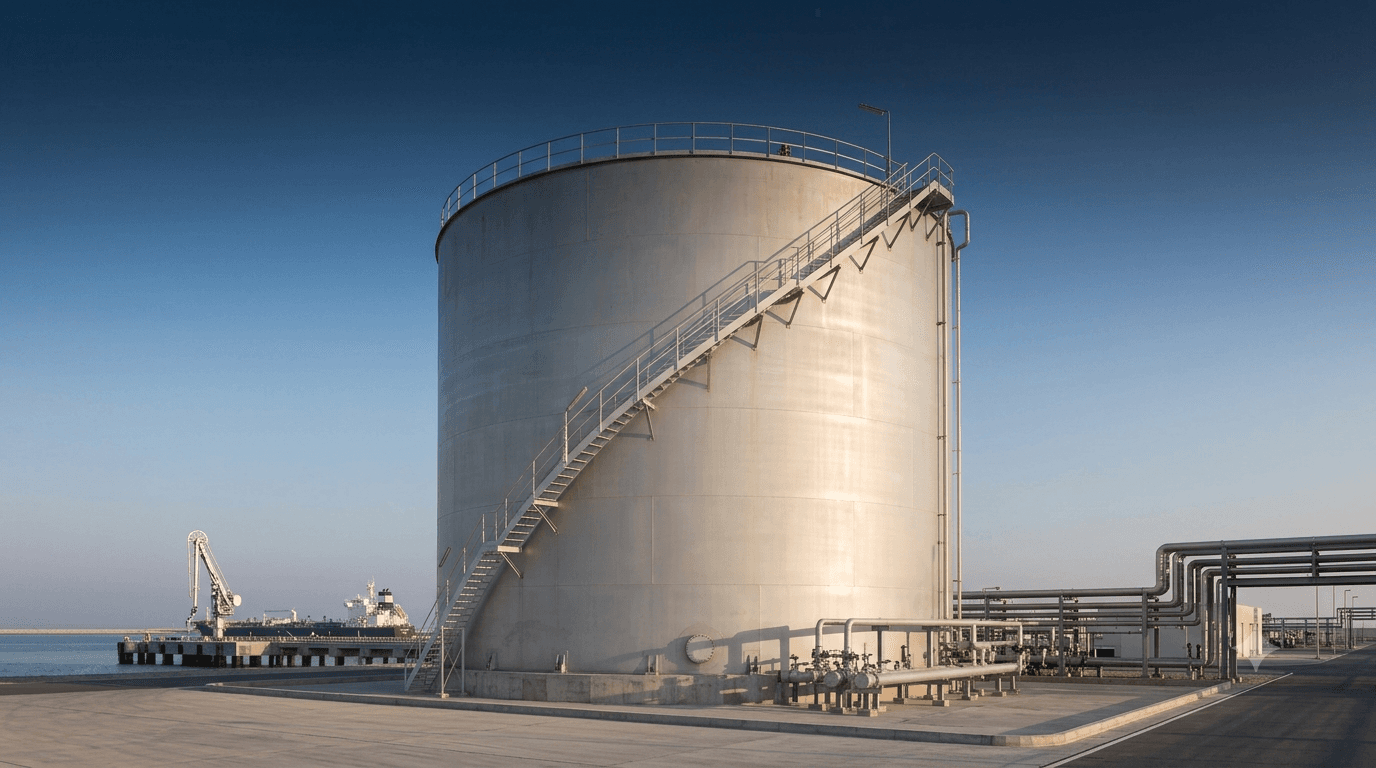
Saudi Arabia’s National Petroleum Company (Saudi Aramco) has announced a 3.5‑million‑tonne-per‑year methanol plant in the Eastern Province, slated to commence operations in 2029. This facility will utilise the country’s abundant natural gas streams, converting them into methanol through steam‑methane reforming and subsequent synthesis. The output will be shipped via the newly upgraded King Abdulaziz Port, providing direct access to Asian and European markets.
- Capacity: 3.5 Mtpa
- Feedstock: Natural gas (EPC from domestic fields)
- Target markets: China, Japan, Germany, and the Middle East
- Strategic advantage: Reduced shipping distances to East Asia
Qatar’s Rapid Scale‑Up
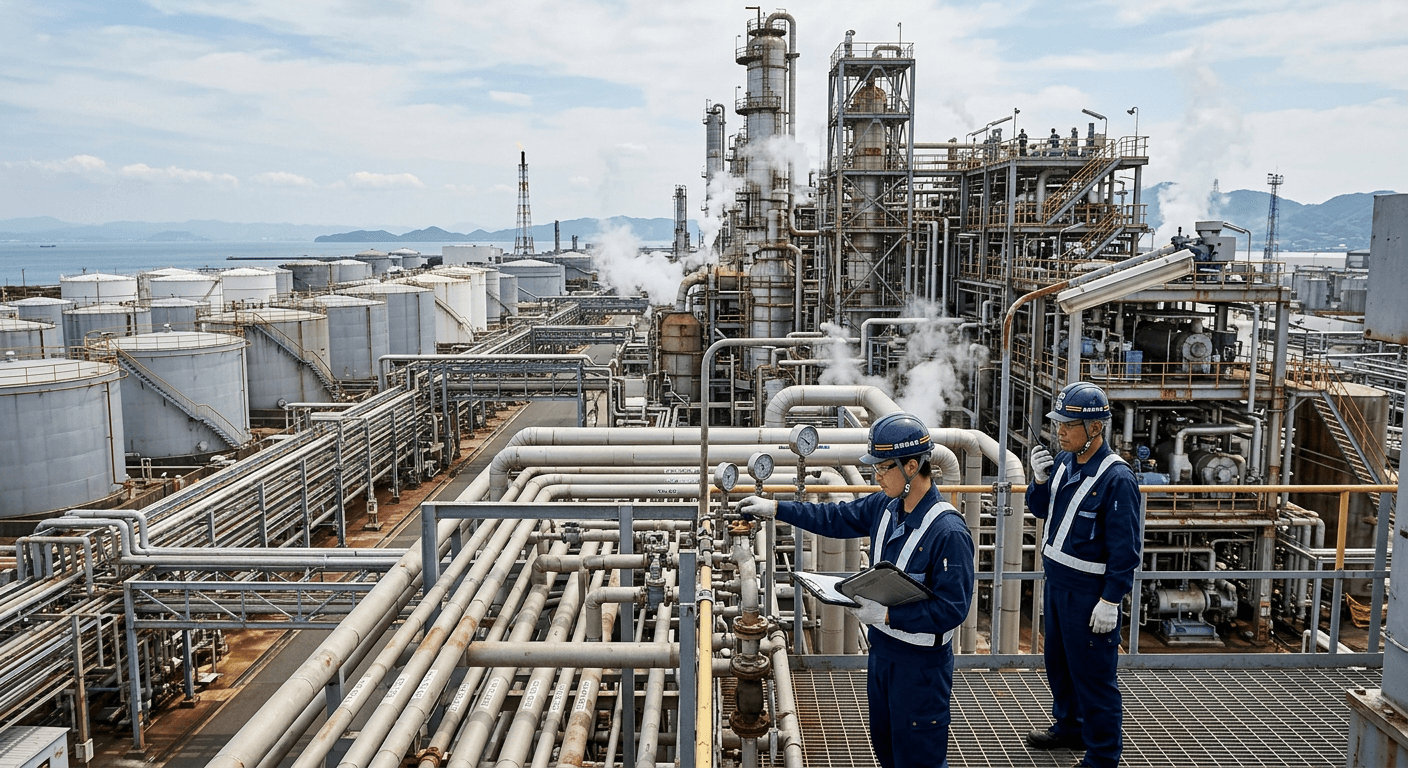
Qatar’s Qatar Petrochemical Company (QAPCO) is developing a 2.4‑million‑tonne-per‑year methanol complex in the North West Region. Leveraging the Qatar Gas-to-Liquids (GTL) infrastructure, the plant will transform natural gas into methanol, then into downstream chemicals such as acetic acid and formaldehyde.
- Capacity: 2.4 Mtpa
- Feedstock: Natural gas (Qatar Gas Co.)
- Integrated products: 70% methanol, 30% derivatives
- Export hubs: Doha Port and Ras Laffan
Potential Shift in Global Trade Routes
The strategic location of Saudi Arabia and Qatar offers a distinct logistical advantage. By channeling methanol through the Gulf’s ports, exporters can bypass the congested Suez Canal and the lengthy route to Europe via the Atlantic. The following table illustrates projected shipping times from key Gulf ports to major consumer regions:
- Qatar to Shanghai: 10 days (vs. 18 days via Suez)
- Saudi Arabia to Hamburg: 12 days (vs. 20 days via Atlantic)
- Qatar to Rotterdam: 13 days (vs. 21 days via Cape of Good Hope)
These savings translate into lower freight costs and faster delivery times, making Gulf methanol increasingly attractive to global buyers.
Supply Concentration and Geopolitical Risks
While the Gulf’s expansion offers clear benefits, the region’s methanol supply remains highly concentrated. The 2026 Iran crisis—triggered by escalating sanctions and a sudden loss of export capacity—led to a temporary halt in methanol shipments from the entire Gulf. Coupled with periodic disruptions in the Strait of Hormuz, these events highlighted the vulnerability of a market reliant on a few export corridors.
To mitigate such risks, industry stakeholders are exploring diversified logistics solutions:
- Development of alternative shipping lanes around the Cape of Good Hope
- Investment in intermodal transport linking Gulf ports to inland rail networks in Europe and Asia
- Strategic reserve agreements with major buyers to buffer short‑term supply shocks
Economic and Environmental Implications
Economically, the Gulf’s methanol surge is projected to increase exports by 15% annually, boosting national revenues and creating thousands of jobs. Environmentally, the shift from coal‑based methanol production in traditional exporters to natural‑gas‑driven processes in Saudi Arabia and Qatar reduces carbon intensity by up to 30%.
Moreover, both countries are partnering with European research institutes to develop green methanol technologies, aiming for a future where renewable hydrogen replaces fossil natural gas as the feedstock.
Conclusion
Saudi Arabia and Qatar’s rapid methanol expansion promises to reshape global trade routes, offering faster, cheaper, and greener alternatives to traditional producers. However, the concentration of supply in the Gulf and geopolitical volatility—exemplified by the 2026 Iran crisis—underscore the need for robust risk management strategies. As the industry moves forward, a balanced approach that leverages Gulf advantages while diversifying logistics will be key to sustaining growth and ensuring supply resilience.