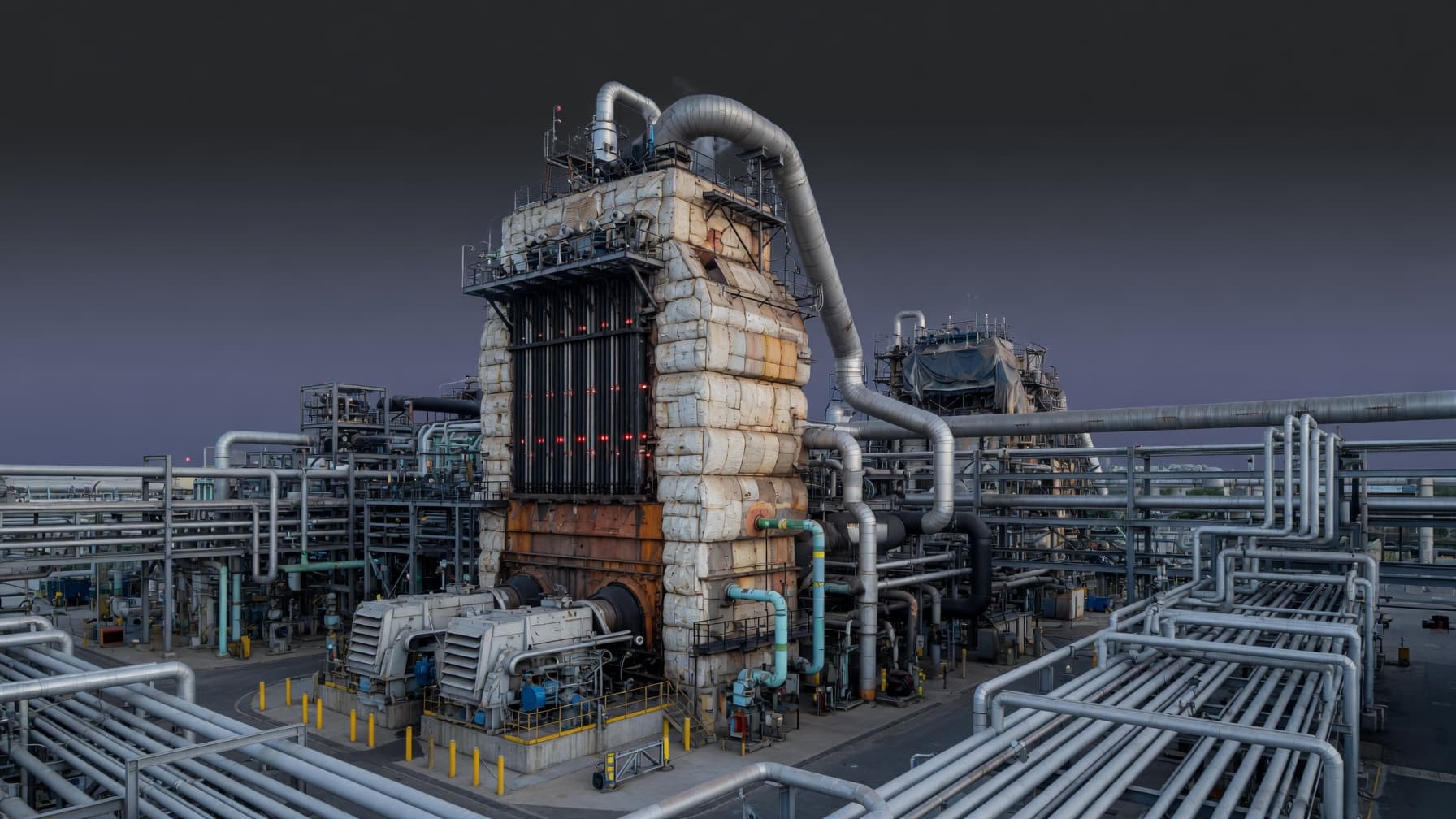
The global helium market is entering a period of prolonged uncertainty following confirmed damage at Qatar's Ras Laffan industrial complex. With repair timelines estimated at three to five years, industries that depend on high-purity helium including semiconductor manufacturing, pharmaceuticals, healthcare, and scientific research must prepare for a sustained supply deficit rather than a temporary disruption.
Unlike many industrial gases, helium has limited substitutes for critical applications. The expected reduction in Qatari production is therefore more than a regional issue—it is a strategic challenge for global manufacturing and technology supply chains.

Why Helium Is Critical for High-Tech Industries
Helium is a non-reactive, extremely light noble gas with unique physical properties that make it indispensable in advanced manufacturing and research.
Major industrial applications include:
Semiconductor wafer manufacturing
Fiber optic production
MRI scanner cooling
Nuclear Magnetic Resonance (NMR) systems
Aerospace engineering
Cryogenic research
Pharmaceutical manufacturing
Leak detection systems
Analytical laboratories
Electronic chemical manufacturers also rely on helium for maintaining ultra-clean production environments where contamination must be minimized.
Why Ras Laffan Matters
Qatar has long been one of the world's largest helium suppliers because helium is recovered during liquefied natural gas (LNG) processing.
The Ras Laffan Industrial City is recognized as the world's largest helium production hub, supplying an estimated 25–30% of global helium demand.
When production from such a significant facility is disrupted, the effects extend far beyond the Middle East.
Expected consequences include:
Reduced global helium availability
Higher contract prices
Increased spot market volatility
Longer delivery lead times
Greater competition among industrial buyers
For businesses dependent on uninterrupted helium supplies, these developments require immediate strategic planning.
Carbon Black (N110) - India CAS: 1333-86-4
A Structural Supply Deficit, Not a Short-Term Shortage
The projected 3–5-year recovery period changes how companies should approach procurement.
Instead of waiting for market conditions to normalize, procurement teams should assume that tighter helium supplies could persist for several years.
This long-term outlook affects:
Capital investment decisions
Manufacturing expansion plans
Research projects
Healthcare equipment procurement
Long-term supplier agreements
Organizations that delay planning may face higher costs and supply disruptions as competition for available helium intensifies.
Alternative Global Helium Sources
Although other producing regions exist, replacing Qatari output will not be straightforward.
United States
The United States remains an important helium producer, supported by private production and existing infrastructure. However, historical dependence on the Federal Helium Reserve has declined, and production growth is limited.
Russia
Russia possesses significant helium resources, particularly through the Amur project. However, geopolitical uncertainties, sanctions, and logistical challenges continue to create procurement risks for many international buyers.
Australia
Australia is emerging as a promising future helium supplier through new resource development projects. While long-term prospects are encouraging, additional production capacity will require continued investment before it can meaningfully offset global shortages.
Together, these regions may help stabilize supply over time, but none can immediately replace the production capacity lost from Qatar.
Industries Facing the Greatest Impact
Several sectors are especially vulnerable to prolonged helium shortages.
Semiconductor Manufacturing
Semiconductor fabrication plants rely on helium during wafer processing, cooling, and advanced manufacturing operations. Supply disruptions could affect production efficiency and increase operating costs.
Healthcare
MRI systems require liquid helium for superconducting magnets. Hospitals may face increased maintenance expenses and longer refill lead times.
Pharmaceutical Manufacturing
Helium is widely used in analytical laboratories, chromatography, leak testing, and Nuclear Magnetic Resonance (NMR) equipment essential for pharmaceutical research and quality control.
Scientific Research
Universities and research laboratories depend heavily on helium for cryogenic applications and precision scientific instruments.
Strategic Responses for Procurement Teams
Organizations should begin implementing long-term mitigation strategies rather than relying solely on short-term purchasing decisions.
1. Build Strategic Helium Inventories
Where storage infrastructure permits, companies should evaluate maintaining larger reserve inventories to reduce exposure to supply interruptions.
2. Invest in Helium Recovery Systems
Many industrial users can significantly reduce consumption by installing helium recovery and recycling equipment. These systems capture used helium, purify it, and return it to production processes, lowering both costs and dependence on new supply.
3. Secure Long-Term Supply Contracts
Multi-year agreements with reliable producers can improve supply security and reduce exposure to volatile spot market pricing.
4. Improve Process Efficiency
Engineering teams should identify opportunities to reduce helium consumption through process optimization, improved equipment design, and alternative operating methods where technically feasible.
5. Diversify Suppliers
Depending on a single geographic source increases procurement risk. Establishing relationships with suppliers across multiple regions can improve resilience during future disruptions.
The Financial Impact
A prolonged helium shortage may influence business performance in several ways:
Higher raw material costs
Increased production expenses
Capital investment in recovery systems
Longer procurement lead times
Greater inventory carrying costs
Supply chain planning complexity
Organizations that invest early in efficiency improvements may offset some of these long-term cost pressures.
Looking Ahead
The helium market is entering a period where supply security will become just as important as pricing. Companies that treat helium as a strategic resource—rather than a routinely available industrial gas—will be better positioned to maintain operations during prolonged market constraints.
While new production projects in the United States and Australia may gradually strengthen global supply, they are unlikely to eliminate the effects of reduced Qatari production in the near term.
For manufacturers of electronic chemicals, semiconductor devices, pharmaceuticals, and advanced scientific equipment, proactive planning over the next three to five years will be essential for operational resilience.
Final Thoughts
The expected reduction in Qatar's helium production highlights the importance of long-term supply chain risk management. Businesses should focus on securing reliable supply agreements, investing in helium recovery technologies, diversifying sourcing strategies, and improving process efficiency to reduce dependence on constrained global supplies.
Organizations that begin these initiatives today will be better prepared to navigate an increasingly competitive helium market over the coming years.