Related Insights
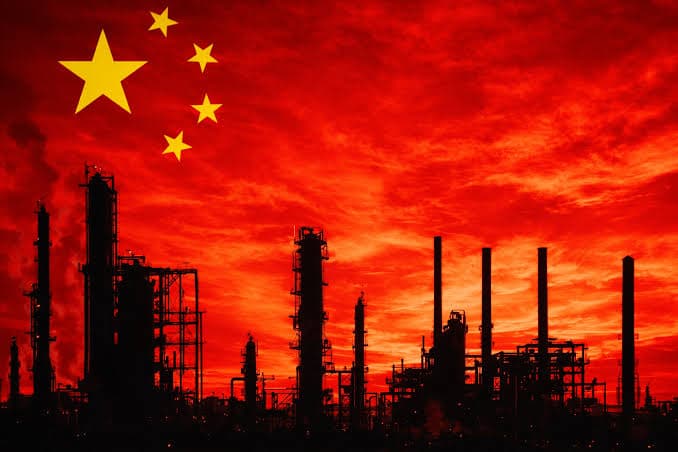
China Chemical Watch: H1 2026 Closing Review, The World's Swing Supplier and What Buyers Should Expect in H2
China's chemical industry ended H1 2026 as the world's primary swing supplier, filling supply gaps created by disruptions in Gulf exports. As Middle Eastern production steadily returns, procurement teams must determine which Chinese export advantages remain permanent and which were driven by exceptional market conditions.
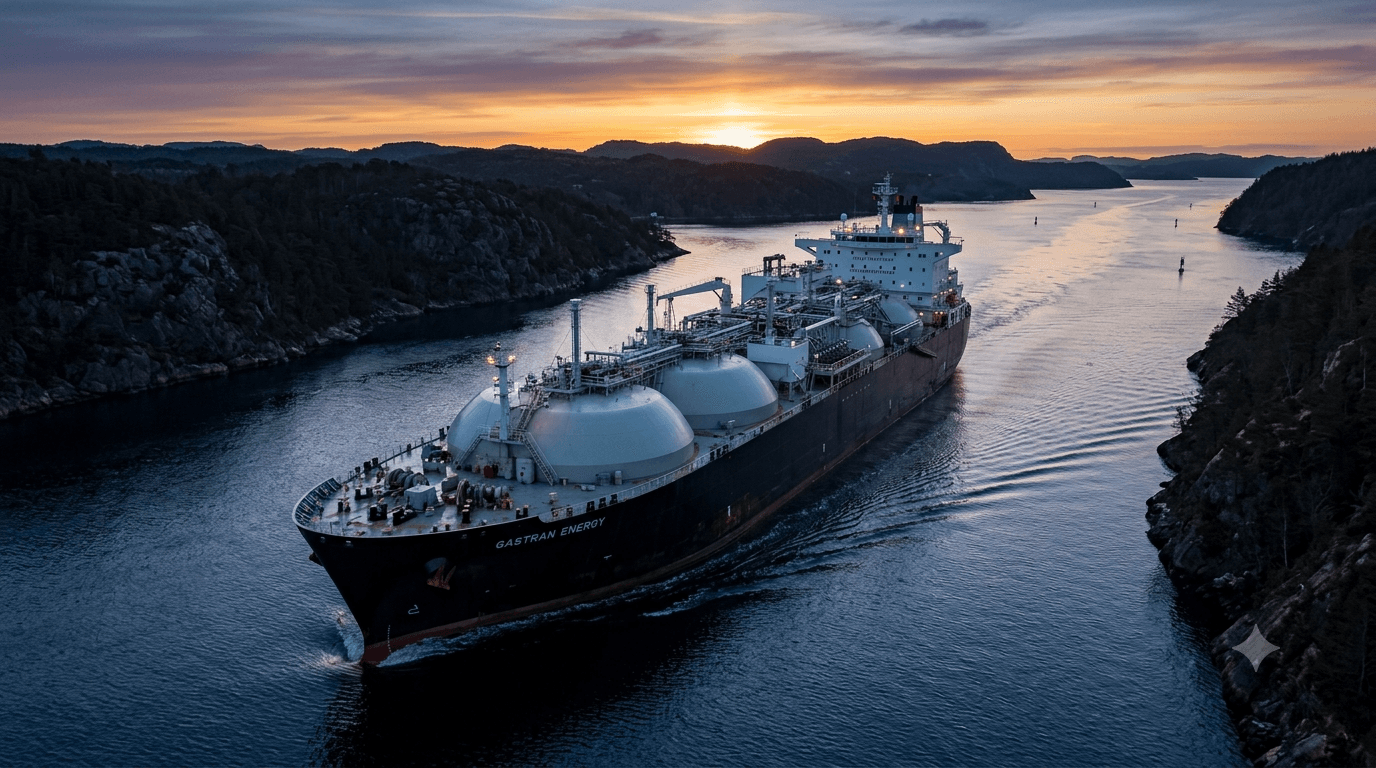
AIS Data vs Headline Status: Why Strait of Hormuz "Closure" Claims Can Mislead Chemical Supply Chains
Headline reports often describe the Strait of Hormuz as closed during periods of military escalation, but AIS vessel tracking frequently tells a different story. This analysis explains why chemical traders and procurement teams should rely on verified shipping movements instead of political rhetoric when managing logistics, sourcing and freight risk.
Iran’s IRGC Attacks Prompt Redefinition of Chemical Supply Chains
The IRGC’s recent strikes on the "Ever Lovely" and "Kiku" tankers expose a stark contradiction between Iran’s foreign ministry and its armed forces. This internal conflict forces global chemical buyers to reassess the safety and legality of sourcing from Iranian petrochemicals amid shifting export waivers and maritime threats.

Ammonia Export Restart: Bürgenstock Roadmap Positions QAFCO and SABIC for Q3
The Bürgenstock roadmap and recent Hormuz transit data signal a clear path for QAFCO and SABIC to resume ammonia exports in Q3 2026. While force majeure conditions may lift in July, mine clearance delays could postpone full tanker capacity until August. Agricultural and industrial buyers should prepare for an improved but staggered supply outlook.

Top 5 Countries Whose Chemical Supply Chains Were Most Disrupted by the Hormuz Crisis
The 2024 Hormuz crisis rattled global chemical markets, forcing buyers to rethink sourcing. Japan, India, South Korea, the GCC, and Germany were hardest hit, with soaring costs, shortages, and a shift toward diversified procurement. Read how each region adapted its strategy.

Ethylene and Propylene Markets Face Multi-Year Supply Gap After Iranian Petrochemical Capacity Losses
The destruction of a large portion of Iran's petrochemical infrastructure has transformed a temporary logistics disruption into a long-term supply challenge. Ethylene and propylene buyers across global markets now face structural sourcing adjustments as Iranian production recovery could take well over a year.
Don't miss out on our updates! Subscribe to our newsletter now
We're committed to your privacy. Tradeasia uses the information you provide to us to contact you about our relevant content, products, and services. For more information, check out our privacy policy.