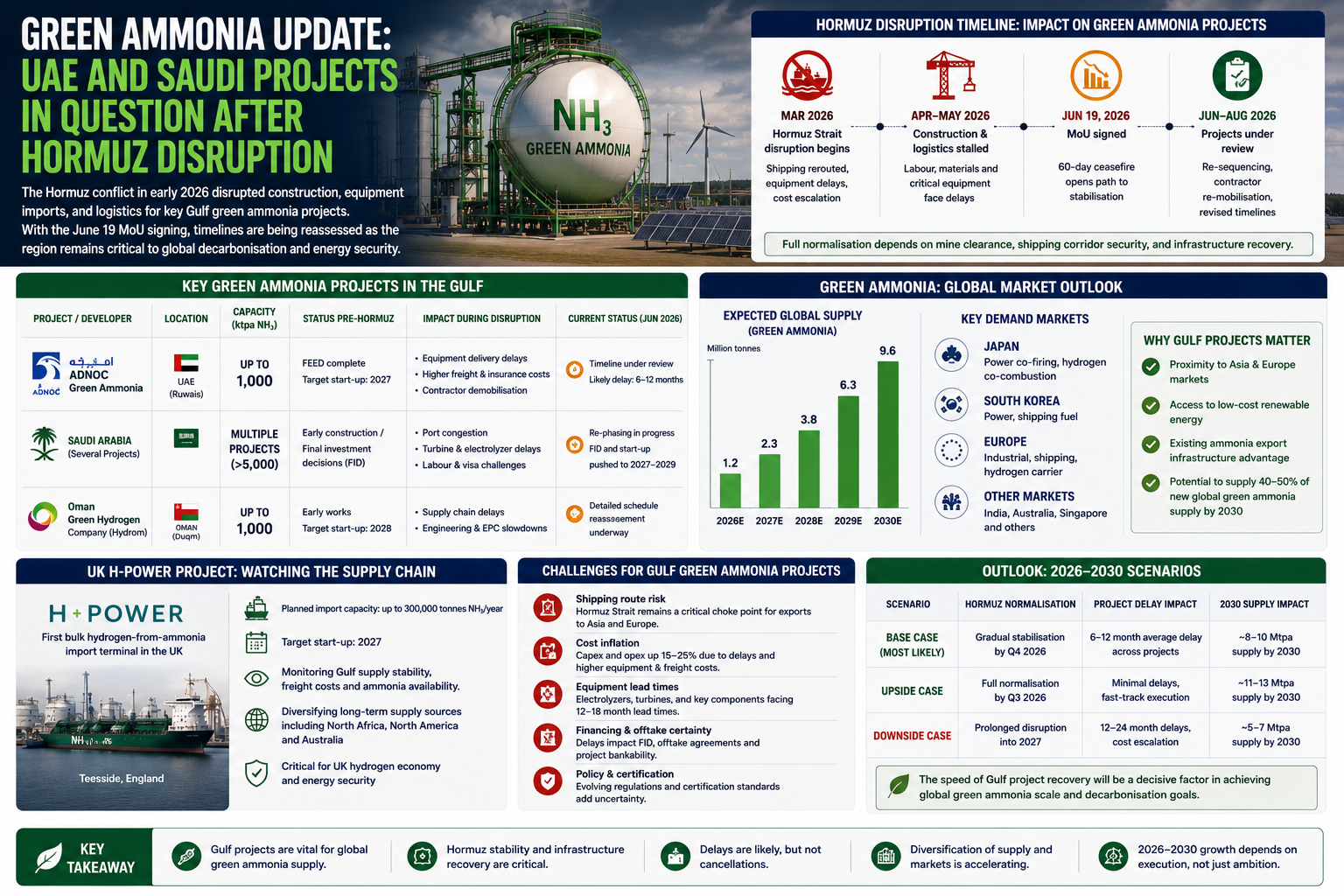
Ammonia Anhydrous CAS: 7664-41-7
Ammonia Anhydrous CAS: 7664-41-7
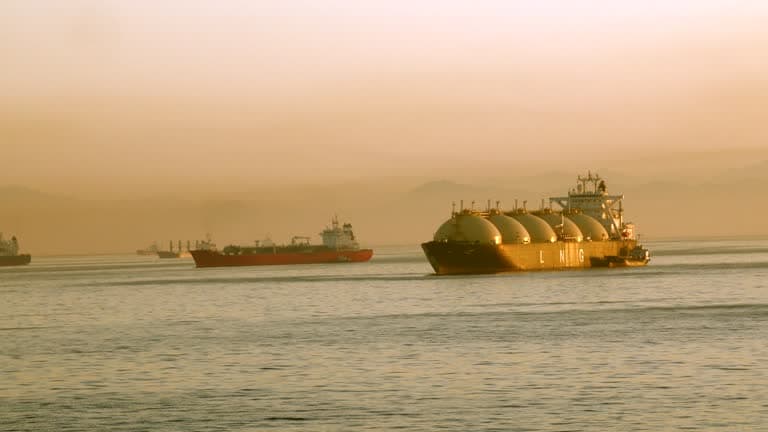
Insurance withdrawals can halt shipping through the Strait of Hormuz faster than any physical blockade. When insurers pull war‑risk coverage, tanker and chemical cargoes face costly delays, forcing operators to seek alternative routes or pay premium rates.
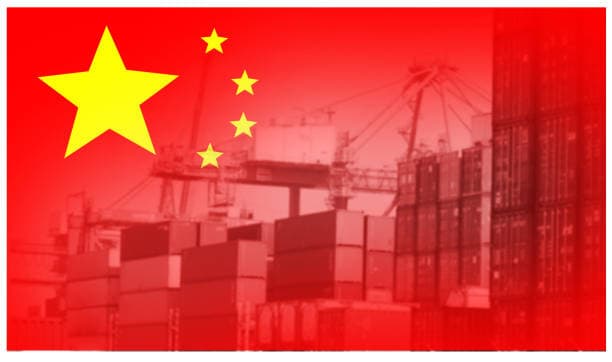
China’s early 2025 export curbs are reshaping global fertilizer flows into 2026, forcing shippers to rethink routes, sourcing and inventory. The ripple effects touch every corner of the supply chain, from African farms to European ports.
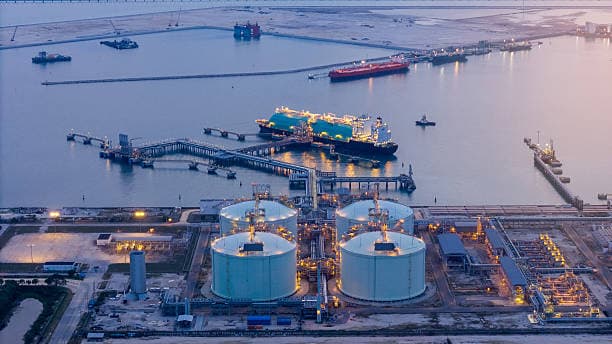
The first quarter 2026 Cefic report highlights a sharper than expected drop in EU chemical output, tightening capacity utilisation and reshaping trade flows. This article explores how lower production levels alter intra‑EU imports, transport demand and logistics planning, and what firms can do to stay agile.
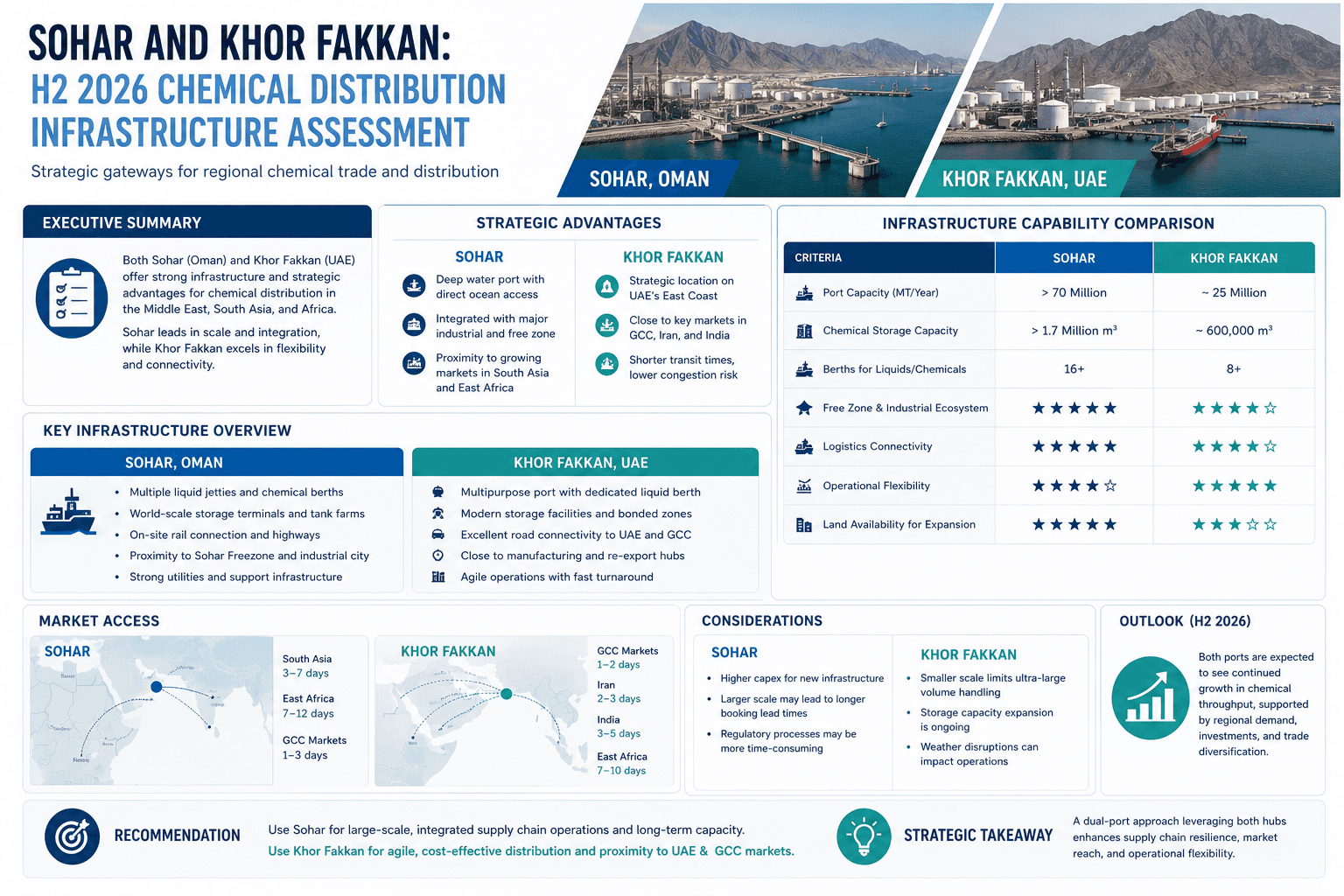
Sohar and Khor Fakkan have emerged as permanent Gulf chemical distribution hubs after the Hormuz crisis disrupted traditional routes. Chemical buyers should now verify exactly where supplier cargo loads, as port selection directly affects insurance costs, lead times, and shipment risk.

Africa and the Middle East are entering a new phase of chemical trade. Morocco's phosphate leadership, GCC supply recovery, and East Africa's evolving logistics networks are reshaping procurement strategies for H2 2026.
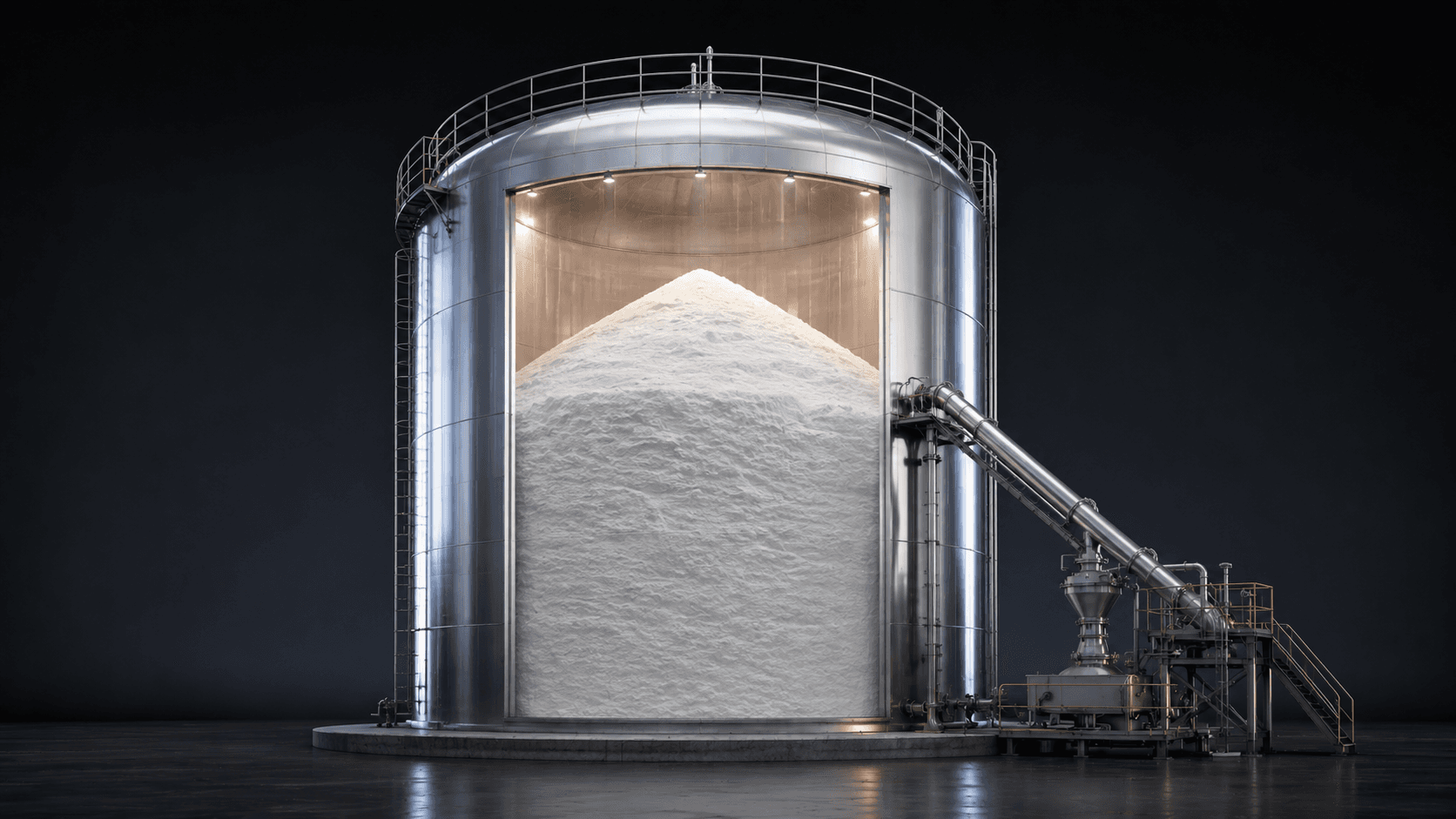
China's soda ash market continues to face domestic oversupply despite months of global trade disruptions. As freight costs begin to soften following lower energy prices, buyers across Europe and Asia are reassessing the competitiveness of Chinese soda ash against higher-cost regional production heading into Q3 2026.
We're committed to your privacy. Tradeasia uses the information you provide to us to contact you about our relevant content, products, and services. For more information, check out our privacy policy.