
Related Insights
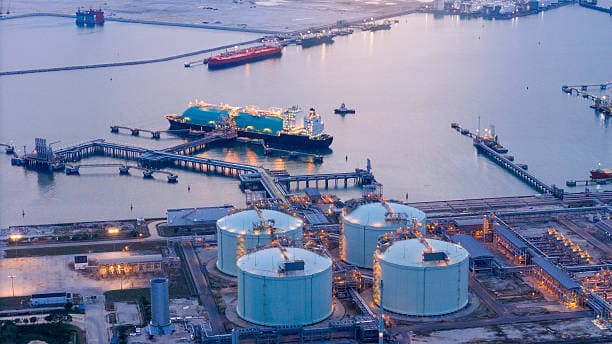
DAP Prices Signal Tight Phosphate Trade
The recent persistence of DAP price strength underscores a tightening phosphate supply chain, heightened global fertilizer demand, and growing procurement risks for agriculture stakeholders. As phosphate trade remains constrained, buyers must reassess sourcing strategies amid volatile market conditions.

Ceasefire Collapse Resets the Clock on Pharma Ingredient Supply Chain Recovery
The interim June 17 agreement to reopen Hormuz has collapsed

Navigating the 40% Urea Import Dependency & Post-Crisis Policy Shifts
The Congressional Research Service report shows that 40% of U.S. agricultural urea arrives by water, exposing a strategic vulnerability. Legislative responses are reshaping maritime corridors and regional infrastructure. These changes aim to strengthen supply chain resilience for domestic markets.
Hormuz Index at 90: Why Supply Chain Risk Remains Elevated Despite Convoy Operations
The recent improvement in convoy operations through the Strait of Hormuz has lowered the Hormuz Index, yet it remains alarmingly high at 90. Supply chain risk is still significant because factors beyond vessel movements—such as geopolitical tensions, port constraints, origination volatility, and cybersecurity threats—continue to loom. Chemical procurement teams must broaden their monitoring scope to stay ahead of these risks.

Geopolitical Intelligence: Shielding Chemical Buyers from Market Volatility
In campanha for chemical procurement, real‑time geopolitical intelligence outpaces traditional weekly updates, protecting margins against volatile energy policies. By tracking policy shifts instantly, buyers secure stable pricing and smarter purchasing decisions. This article explains why legacy reports fail in today’s fast‑moving supply chain.

Jordan API Supply: Post-Crisis Recovery Assessment for Antibiotic Procurement Teams
Jordan's pharmaceutical API exports are showing signs of recovery as regional shipping conditions improve. Buyers dependent on antibiotic APIs should use July to verify logistics, rebuild inventories and secure Q3 supply agreements. This guide evaluates logistics recovery, procurement risks and outlines actionable Q3 sourcing strategies.
Don't miss out on our updates! Subscribe to our newsletter now
We're committed to your privacy. Tradeasia uses the information you provide to us to contact you about our relevant content, products, and services. For more information, check out our privacy policy.