
Citrus Pulp CAS: 94266-47-4
Citrus Pulp CAS: 94266-47-4
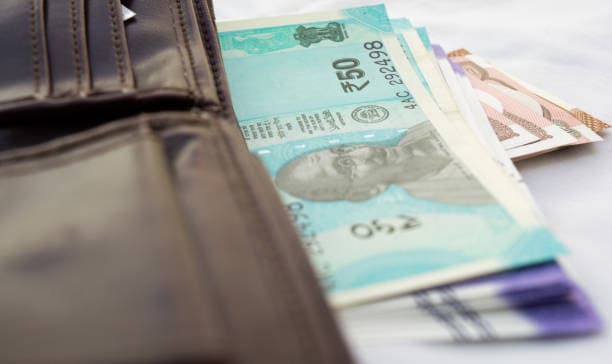
When the rupee weakens, Indian chemical exporters face higher freight costs, altered procurement choices, and shifting trade dynamics. This article explores how currency swings influence logistics, competitiveness, and international shipping strategies, offering insight into adapting to a volatile economic landscape.
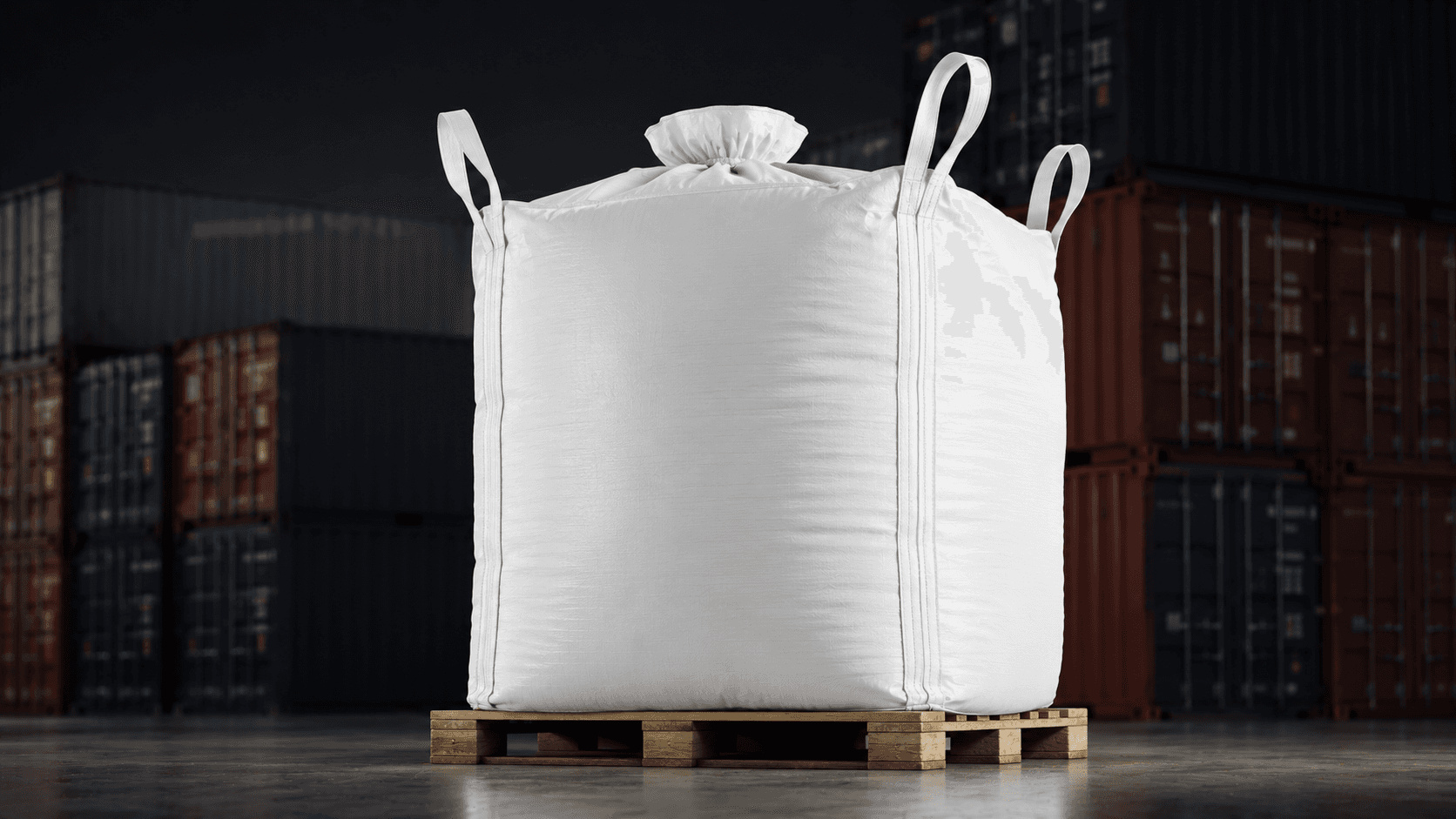
Brent crude has returned to pre-war levels, creating a new opportunity for food ingredient buyers to reduce landed costs. July freight adjustments give procurement teams a timely chance to renegotiate contracts across major sourcing regions including China, Southeast Asia and India.
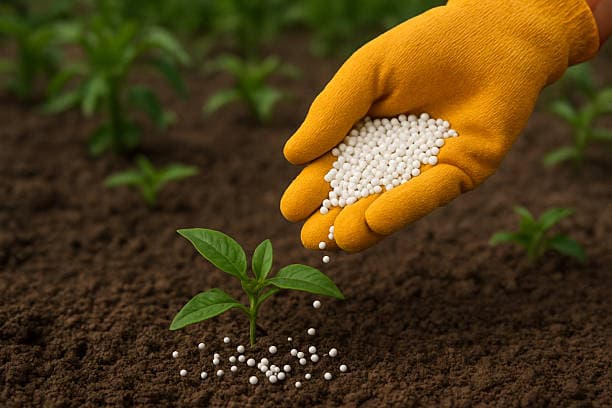
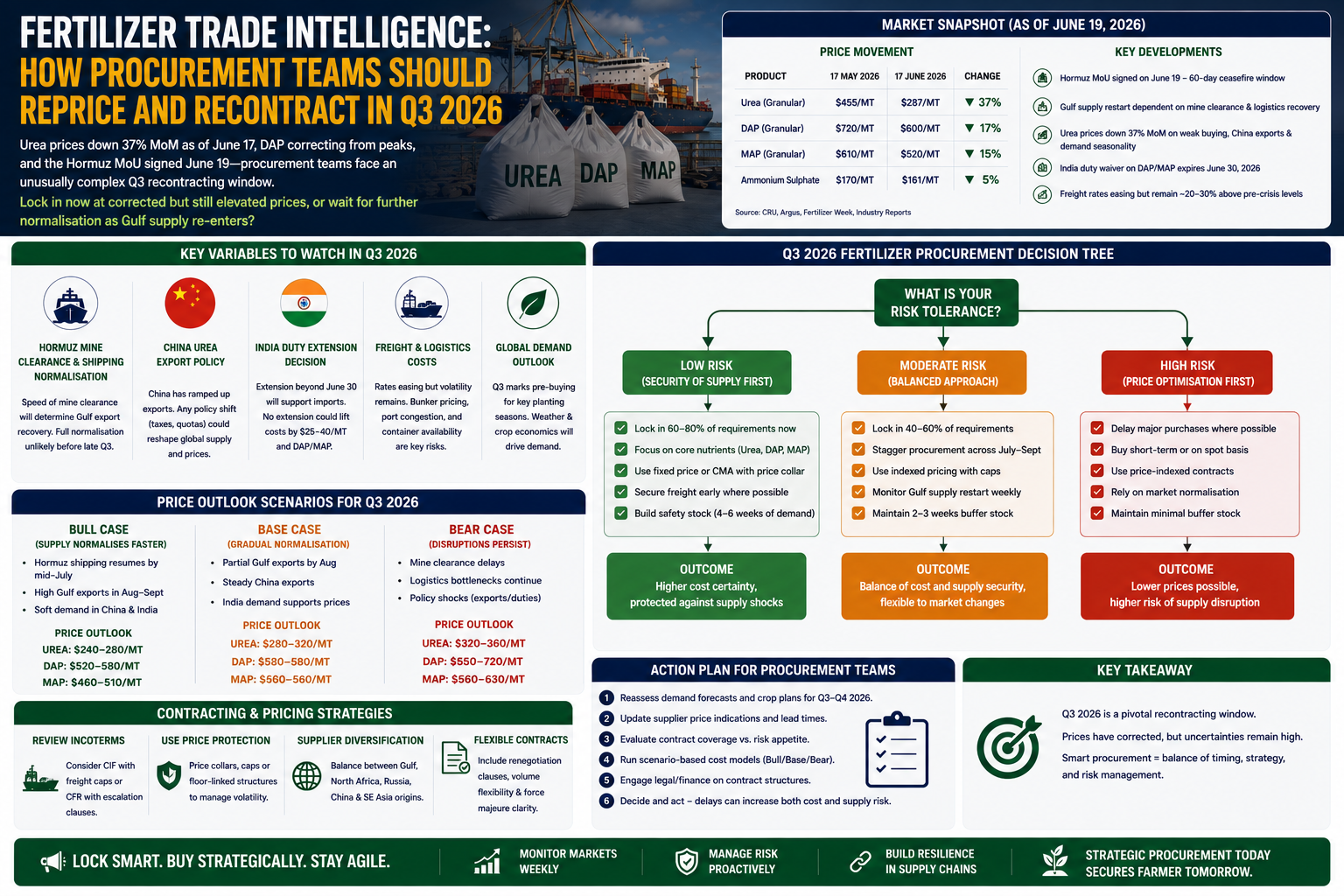
Urea prices in 2026 are poised for a rebound as Gulf exports climb back to 75% of pre‑war levels. This shift reshapes demand in the Southern Hemisphere, offering new buying windows for fertilizer importers. TradeAsia tracks the latest market dynamics for SABIC and QAFCO urea.

The 2026 Hormuz crisis disrupted global chemical trade, but created major commercial winners. From OCP Morocco and Nutrien to Wanhua Chemical and US exporters, H1 2026 proved that supply chain disruption often shifts value rather than destroying it.
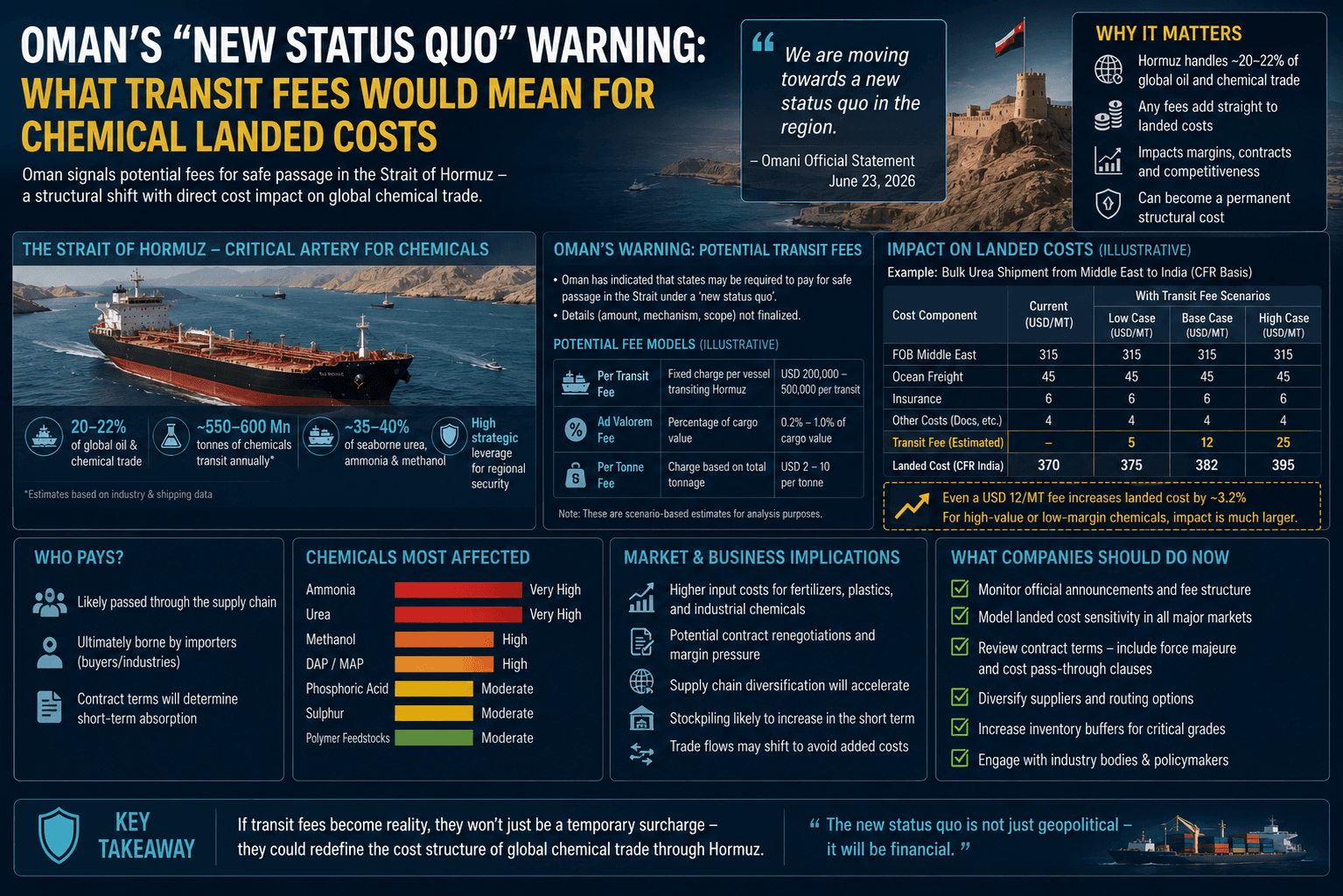
Oman’s warning that Hormuz may never return to pre-war conditions raises the prospect of permanent transit fees for commercial vessels. Chemical buyers should immediately model higher landed costs into H2 2026 procurement planning as Gulf shipping economics may have changed permanently.

Strong exports from Belarus and Russia are helping stabilize potash markets despite ongoing fertilizer demand growth.
We're committed to your privacy. Tradeasia uses the information you provide to us to contact you about our relevant content, products, and services. For more information, check out our privacy policy.