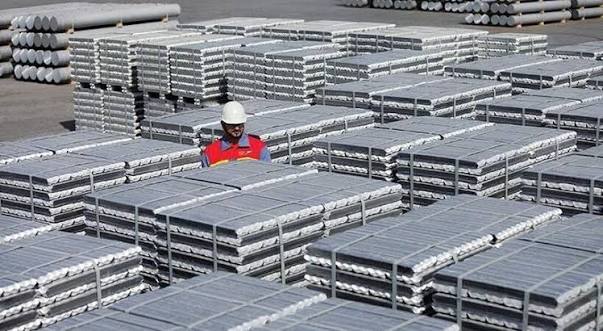
Aluminium Sulfate CAS: 7784-31-8
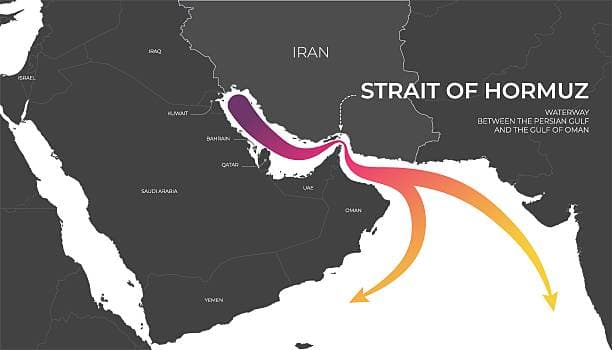
Simultaneous threats to the Hormuz and Bab el-Mandeb choke points could ripple through global shipping and chemical supply chains, demanding urgent resilience measures. This article examines the risks, impacts, and strategies to mitigate disruption.
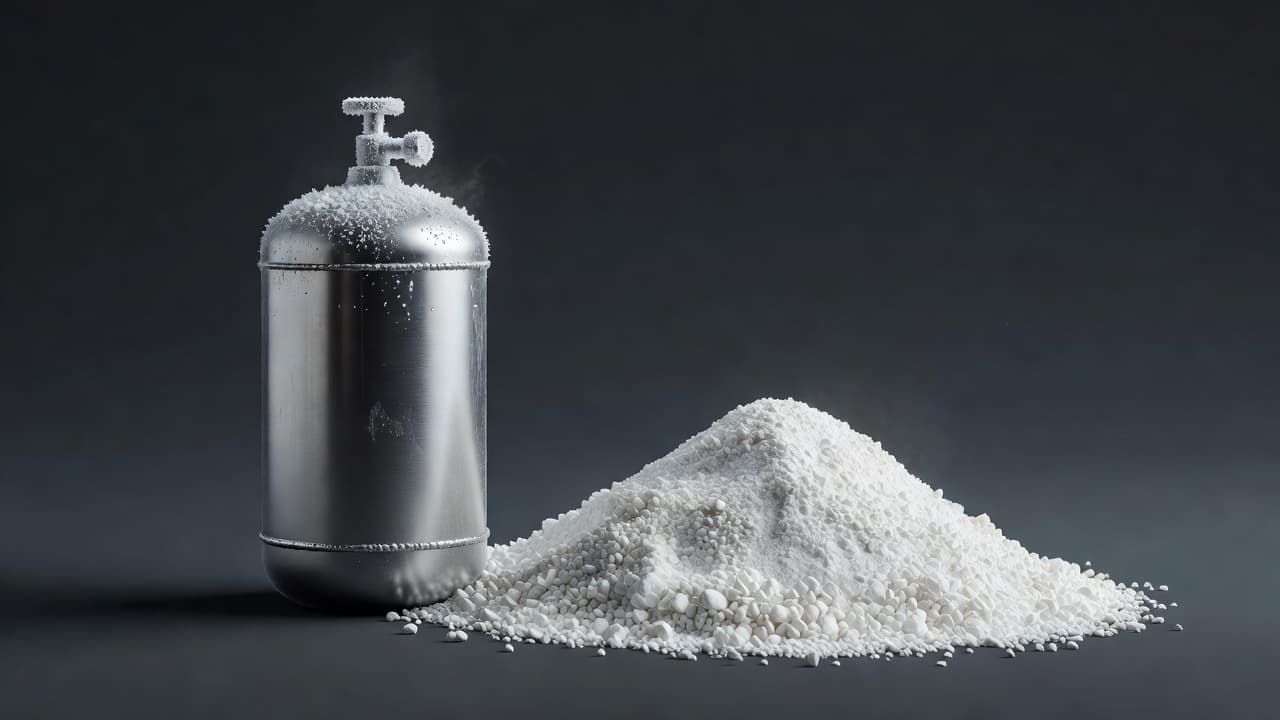
Geopolitical tensions are disrupting more than oil and gas markets. Helium and fertilizer supply chains are also under pressure, making procurement planning increasingly important for manufacturers, distributors and agricultural suppliers.
More than 22,500 mariners remain stuck on over 1,550 vessels in the Persian Gulf, a human crisis behind every delayed chemical shipment. For procurement teams sourcing from Gulf producers, this is no longer a distant headline but a direct line item in supply chain risk.
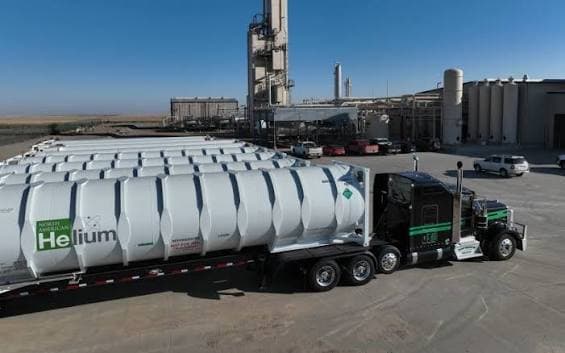
The 2026 Hormuz crisis created one of the most overlooked commodity disruptions in global markets: helium. Damage to Qatar’s Ras Laffan LNG infrastructure reduced helium production capacity, creating a structural supply shortage that may persist for years even as shipping conditions across Hormuz begin improving.
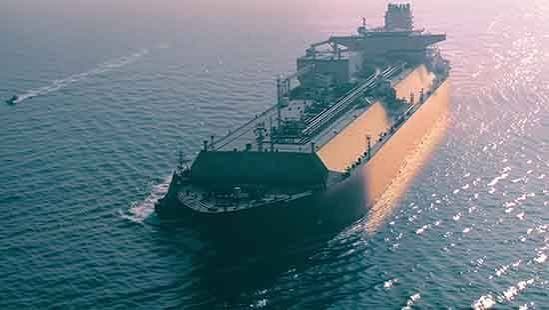
The International Maritime Organization has confirmed 49 security incidents across Hormuz and the Persian Gulf as of June 30, creating the most comprehensive official risk dataset of the 2026 shipping crisis. For chemical tanker operators and cargo buyers, this record now defines insurance underwriting and shipping risk calculations for H2 2026.
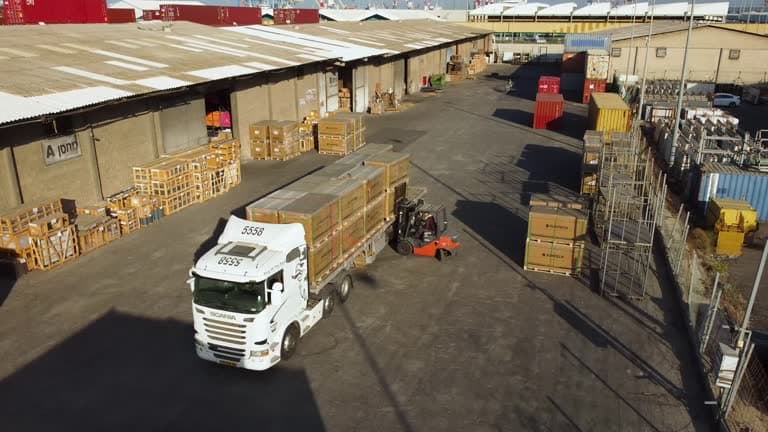
Three large DAP and MAP vessels have successfully transited the Strait of Hormuz, the longest‑held choke point in global fertilizer shipping. This milestone marks the first tangible evidence of a rebound in physical phosphate supplies after years of volatility. Industry analysts now see a clearer path toward balanced fertilizer markets.
We're committed to your privacy. Tradeasia uses the information you provide to us to contact you about our relevant content, products, and services. For more information, check out our privacy policy.