China–U.S. Tariff Truce 90-Day Window: Chemical Importers Rush to Front-Load Orders Before the Clock Runs Out
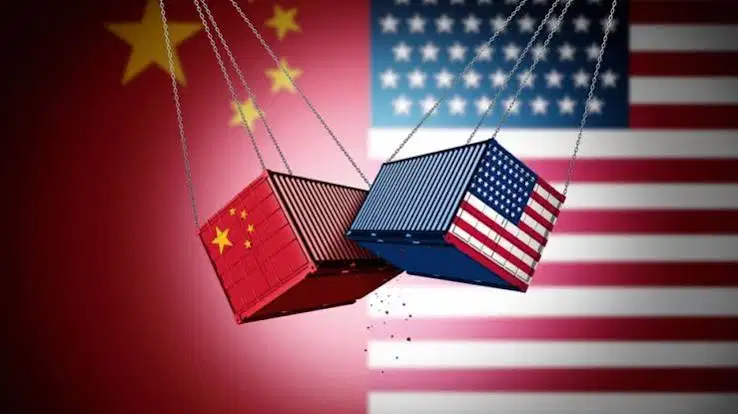
A short-term tariff truce between China and the United States has triggered a wave of urgency across global chemical supply chains. With only a 90-day window of reduced trade tension, chemical importers are rapidly accelerating orders, trying to secure shipments before potential tariffs return or increase again.
This temporary pause in trade escalation has created a classic “front-loading cycle” — where buyers rush to import goods now rather than risk higher costs later.
Why the 90-Day Tariff Truce Matters
Trade relations between the world’s two largest economies, China and the United States, have been volatile for years. Tariffs on industrial inputs, including chemicals, have repeatedly shifted production costs, disrupted sourcing strategies, and forced companies to redesign supply chains.
In this 90-day truce period, tariffs are either reduced or paused temporarily on selected categories of goods, including certain chemical products and intermediates.
For importers, this creates a narrow cost-saving opportunity. For suppliers, it creates a sudden spike in demand.
Chemical Industry Reaction: “Move Now or Pay More Later”
Chemical importers operate on thin margins and highly sensitive pricing structures. Even small tariff changes can significantly impact profitability.
As a result, companies are reacting quickly:
Bulk orders are being placed earlier than planned
Shipping schedules are being accelerated
Warehouses are increasing short-term storage capacity
Traders are prioritizing U.S.-bound and China-origin cargo movement
This behavior is especially strong in commodity chemicals such as:
Industrial solvents
Petrochemical derivatives
Basic intermediates used in pharmaceuticals, agriculture, and manufacturing
The logic is simple: if tariffs return after 90 days, future imports could become significantly more expensive.
Supply Chain Pressure: Freight Markets Feel the Surge
The sudden rise in demand is not just affecting trade desks—it is also impacting logistics.
Shipping lines are seeing:
Higher booking volumes on Asia–U.S. routes
Tightening container availability
Rising spot freight rates
Increased congestion at major Chinese export ports
Forwarders are prioritizing “time-sensitive cargo,” especially shipments tied to tariff deadlines. This has created a ripple effect across global freight markets, particularly on transpacific routes.
Strategic Behavior: Stockpiling and Hedging Risk
Large chemical buyers are not only importing more—they are also changing how they manage risk.
Common strategies include:
1. Inventory Stockpiling
Companies are building buffer stock in U.S. warehouses to delay future imports beyond the 90-day window.
2. Contract Hedging
Long-term supply contracts are being renegotiated to lock in pricing stability beyond the truce period.
3. Supplier Diversification
Firms are expanding sourcing beyond China, exploring alternatives in Southeast Asia and India to reduce exposure to tariff volatility.
China’s Position: Maintaining Export Momentum
For China, the truce provides a temporary boost in export competitiveness. Chemical manufacturers benefit from:
Higher order volumes
Improved factory utilization
Stronger short-term cash flow
However, uncertainty remains high. If tariffs return, demand could quickly normalize or drop again, creating volatility in production planning.
U.S. Importers: Balancing Cost vs. Risk
U.S.-based chemical importers are caught between two pressures:
Short-term advantage: lower costs during the 90-day window
Long-term risk: uncertainty over post-truce tariffs
Many firms are adopting a “buy now, adjust later” strategy, even if it leads to temporary overstocking. In industries like pharmaceuticals, agriculture, and plastics, supply continuity is often more important than inventory efficiency.
What Happens After the 90 Days?
The biggest uncertainty is what comes next. Possible outcomes include:
Scenario 1: Extension of the Truce
Trade stability continues, reducing urgency and stabilizing freight markets.
Scenario 2: Partial Tariff Reinstatement
Some chemical categories are re-tariffed, while others remain exempt.
Scenario 3: Full Return of Tariffs
Front-loading ends abruptly, and import demand cools sharply.
Markets are currently pricing in all three possibilities, which is why volatility remains high.
Conclusion
The 90-day China–U.S. tariff truce has temporarily opened a strategic window for chemical importers—but it has also created a race against time. Companies are pulling forward orders, freight markets are tightening, and supply chains are adjusting in real time to policy uncertainty.
In simple terms: when trade policy becomes temporary, global logistics becomes urgent.
The next three months will determine whether this surge is a short-lived spike—or the beginning of a longer structural shift in chemical sourcing and global trade flows.