Borax Decahydrate (Technical Grade) - Argentina CAS: 1303-96-4

Borax Decahydrate (Technical Grade) - Argentina CAS: 1303-96-4
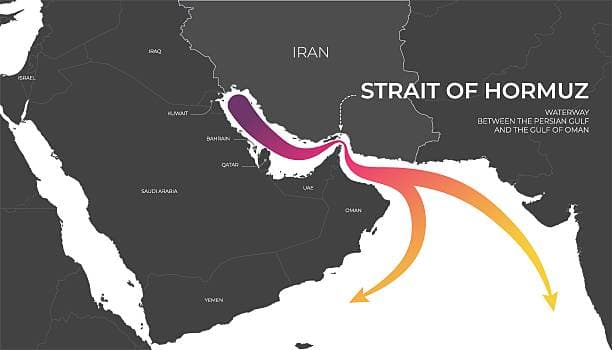
Simultaneous threats to the Hormuz and Bab el-Mandeb choke points could ripple through global shipping and chemical supply chains, demanding urgent resilience measures. This article examines the risks, impacts, and strategies to mitigate disruption.
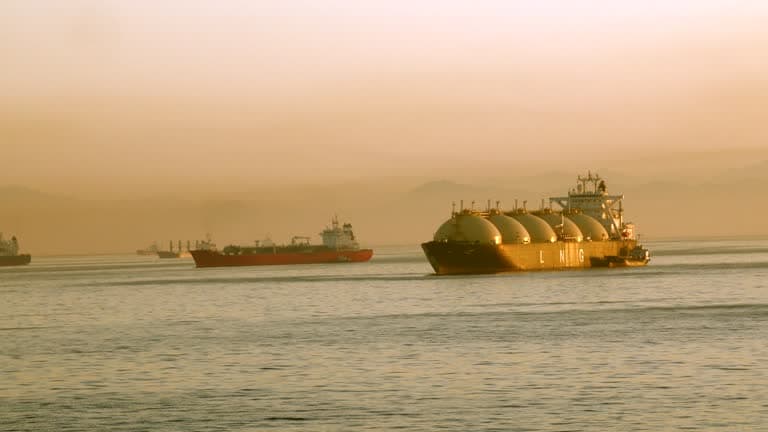
Insurance withdrawals can halt shipping through the Strait of Hormuz faster than any physical blockade. When insurers pull war‑risk coverage, tanker and chemical cargoes face costly delays, forcing operators to seek alternative routes or pay premium rates.
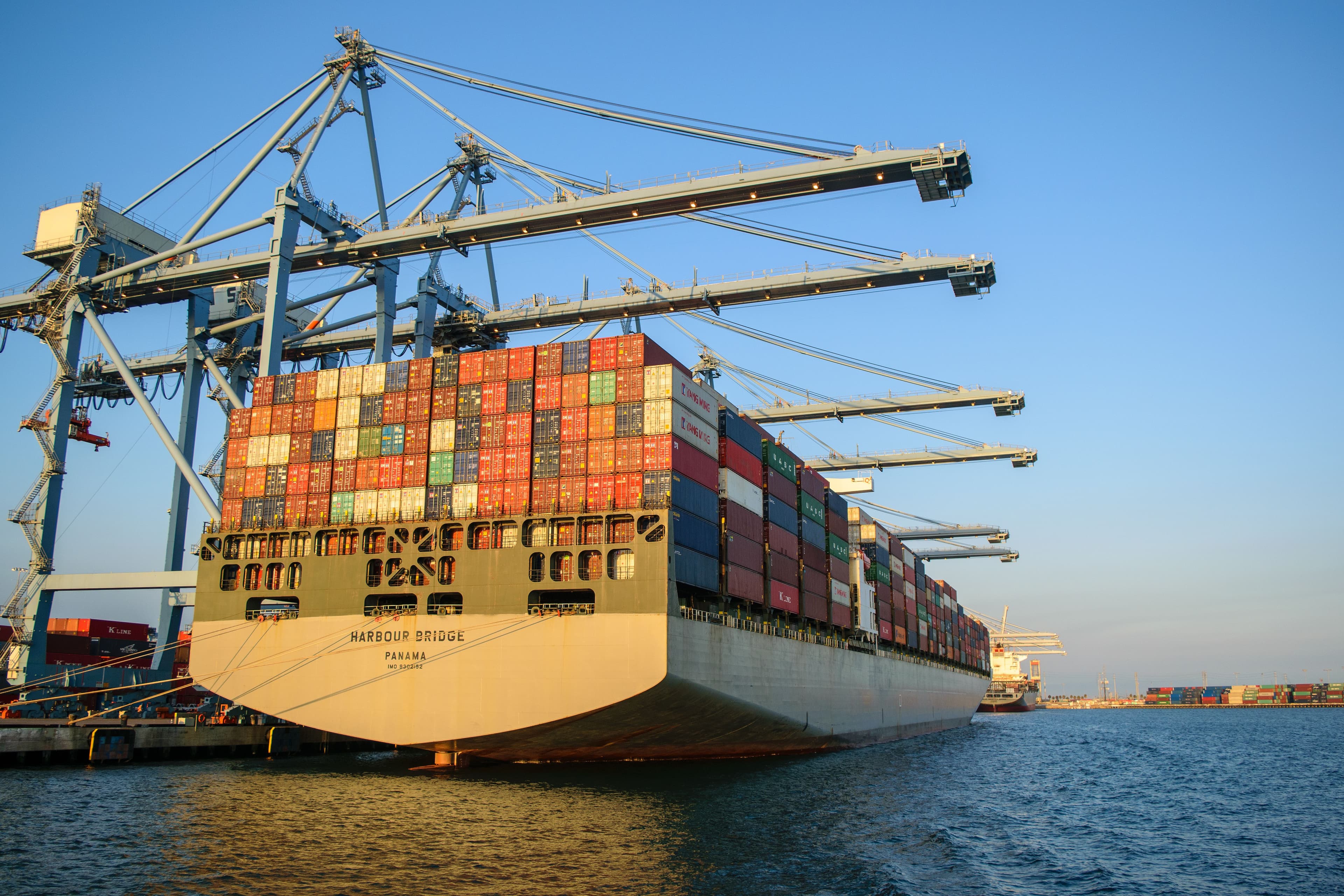
Methanol supply has remained active through recent Gulf disruptions, with AIS vessel tracking showing continued commercial movement. Buyers should separate headline risk from physical flow data when planning Q3 procurement.
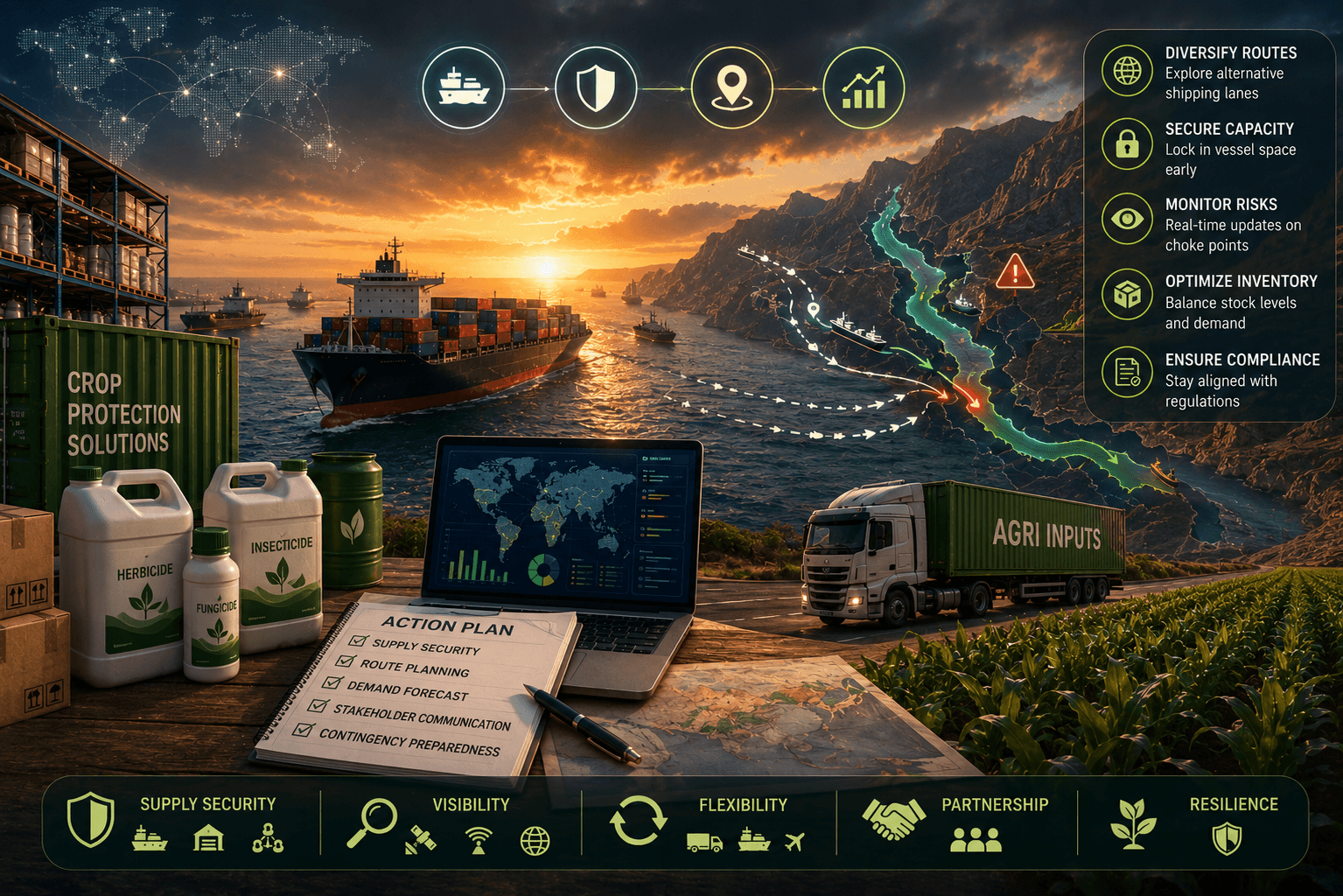
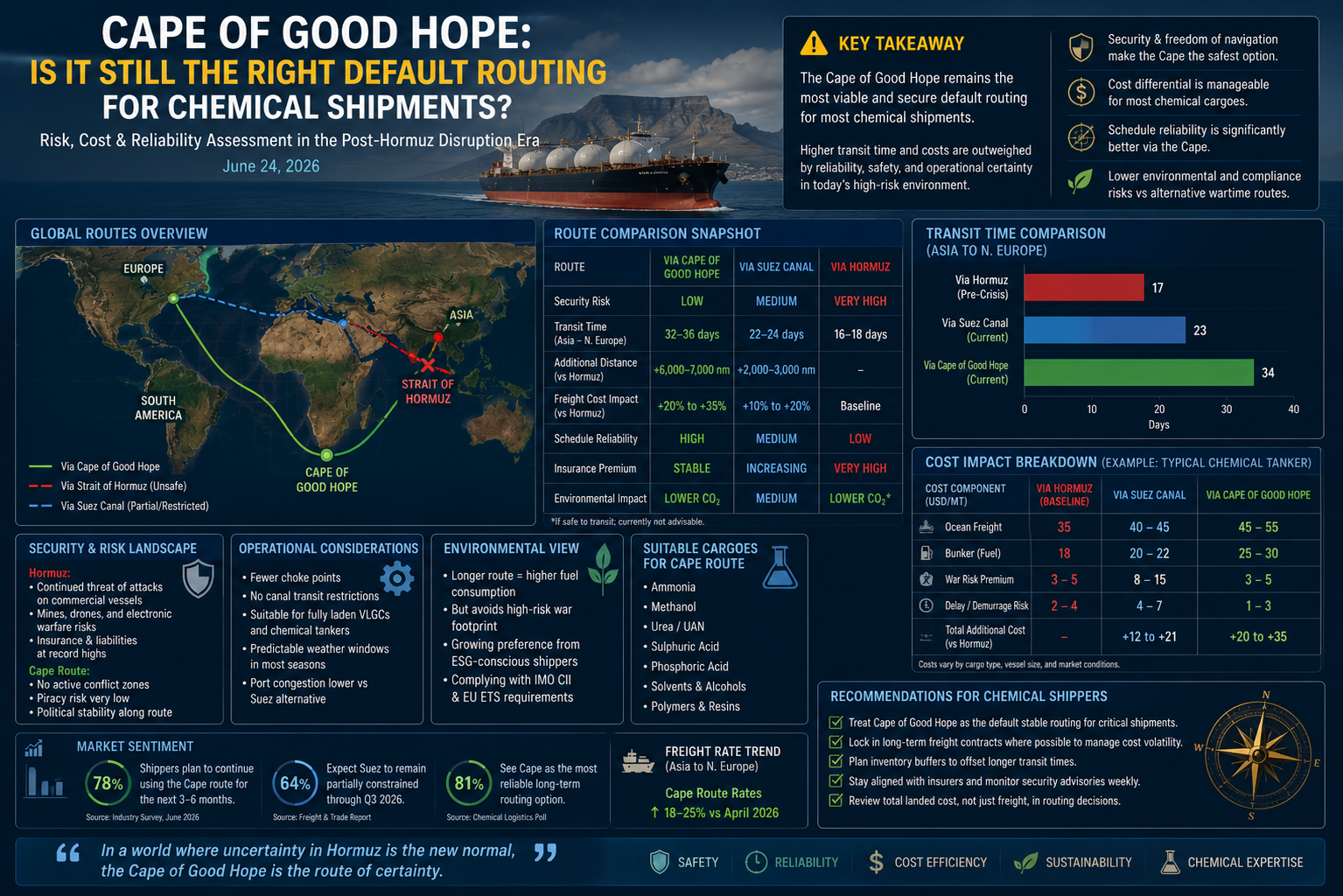
Agrochemical logistics are improving after the Hormuz disruption, but commercial shipping remains far below normal capacity. Importers should maintain conservative Q3 shipping plans, rely on Cape routing, and prepare for only partial Hormuz recovery by September.

Falling Brent crude prices are creating the first meaningful freight cost correction opportunity since the 2026 shipping crisis began. Chemical buyers should use the July 1 bunker surcharge reset to renegotiate freight contracts and push back against outdated crisis-era shipping costs.
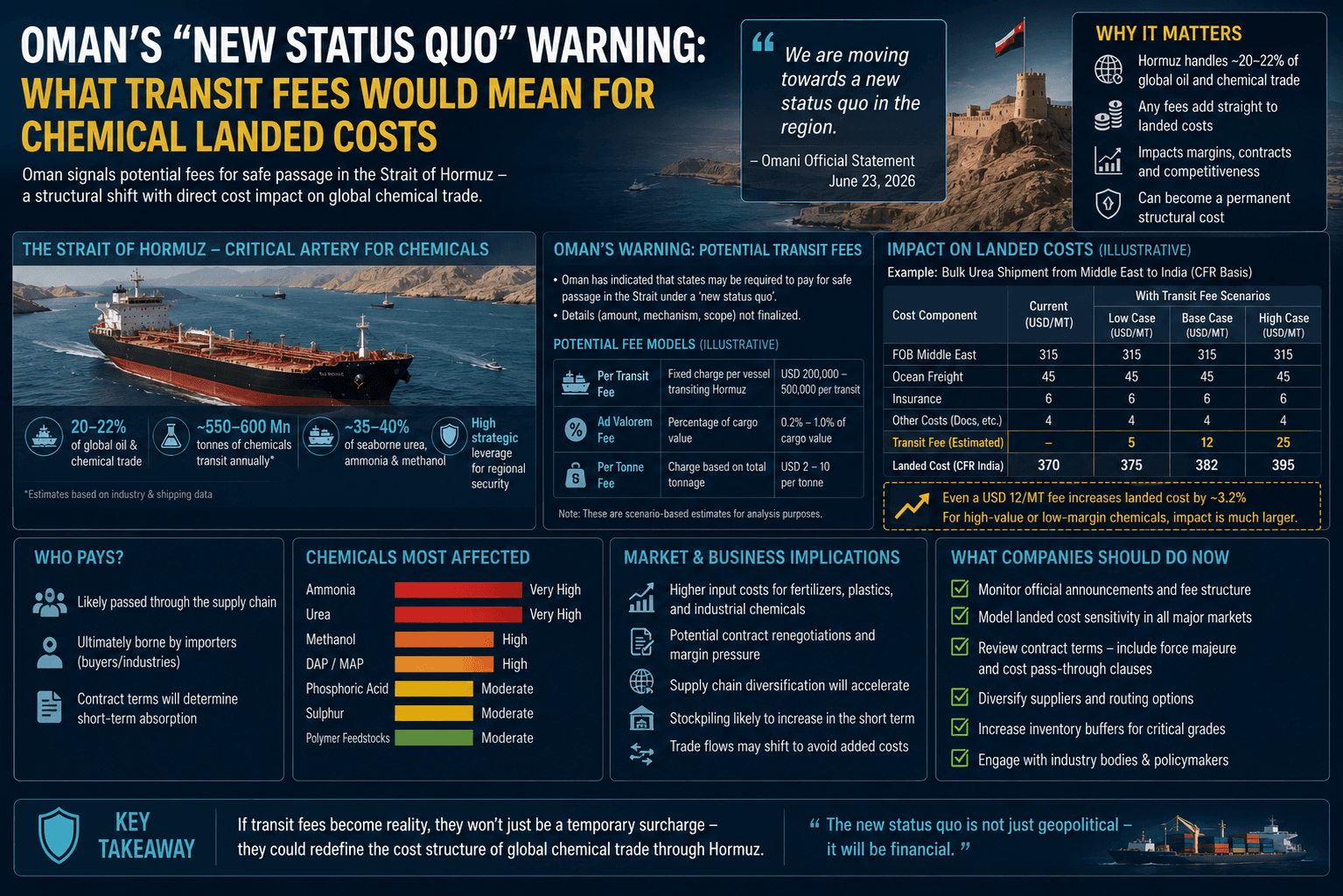
Oman’s warning that Hormuz may never return to pre-war conditions raises the prospect of permanent transit fees for commercial vessels. Chemical buyers should immediately model higher landed costs into H2 2026 procurement planning as Gulf shipping economics may have changed permanently.
We're committed to your privacy. Tradeasia uses the information you provide to us to contact you about our relevant content, products, and services. For more information, check out our privacy policy.