Background: The Duty Waiver and Its Immediate Benefits
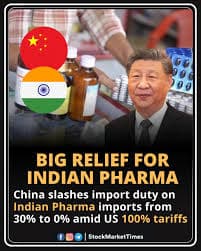
For the past decade, India has offered duty exemptions on a wide range of pharmaceutical intermediates, creating a competitive environment that attracted numerous multinational and regional API manufacturers. The waiver reduced the landed cost of key building blocks by up to 30 %, allowing companies to price their finished products more aggressively in both domestic and export markets.
What the Post‑Duty Waiver Landscape Looks Like
Recent policy reviews indicate that the Indian government may phase out or significantly tighten the duty exemption framework. Key drivers for this shift include fiscal pressure, domestic industry protection, and a push towards higher value‑added manufacturing.
Projected Cost Increases
Analysts estimate that the removal of the duty waiver could increase the purchase price of imported API intermediates by 15‑25 %. When combined with higher logistics and compliance costs, the overall impact on production budgets could be as high as 30‑40 % in the short term.
Supply Chain Implications
A sudden rise in import costs will force companies to rethink their sourcing strategies. Options include:
- Local sourcing: Investing in domestic API production to hedge against price volatility.
- Long‑term contracts: Locking in prices with suppliers before duty changes take effect.
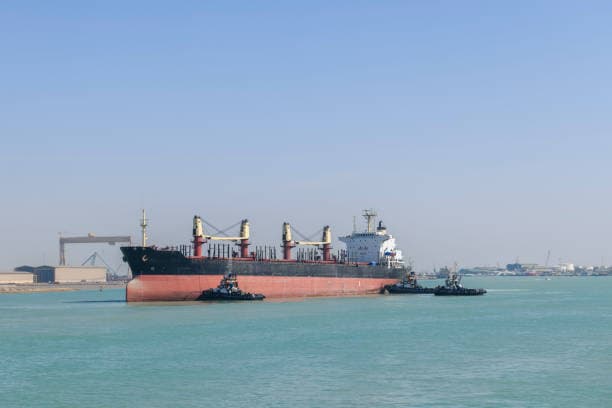
- Diversification: Sourcing intermediates from alternative markets such as China, South Korea, or the EU.
Impact on the Pharmaceutical Industry
1. Pricing Pressure: With higher raw material costs, manufacturers may face pressure to increase the price of finished APIs, potentially eroding market share in price‑sensitive segments.
2. Profit Margins: Companies with high fixed costs will see a sharper decline in profitability unless they can pass on costs to end‑users.
3. Innovation: The need to reduce dependency on imported intermediates may accelerate investment in process innovation and alternative synthetic routes.
Case Study: A Mid‑Sized API Producer
XYZ Pharma, based in Chennai, reported a 20 % rise in raw material costs after the duty waiver ended. The company responded by:
- Establishing a joint venture with a local catalyst manufacturer.
- Implementing a lean manufacturing program to cut waste.
- Negotiating a five‑year fixed‑price contract with a Chinese supplier.
The combined strategy mitigated a 12 % impact on overall cost of goods sold.
Strategic Recommendations for Stakeholders
For Manufacturers: Conduct a comprehensive cost‑benefit analysis of local versus imported sourcing. Explore technology transfer agreements to bring advanced synthesis capabilities to India.
For Suppliers: Diversify product lines to include high‑margin specialty intermediates that are less susceptible to duty changes.
For Policy Makers: Consider a phased approach to duty adjustments, coupled with incentives for local production and R&D.
Conclusion
The end of India’s duty waiver on pharmaceutical intermediates represents a significant shift for the global API market. While the immediate effect will be higher import costs, proactive strategies—such as local production, long‑term contracts, and process innovation—can help manufacturers navigate the transition and maintain competitive advantage.