
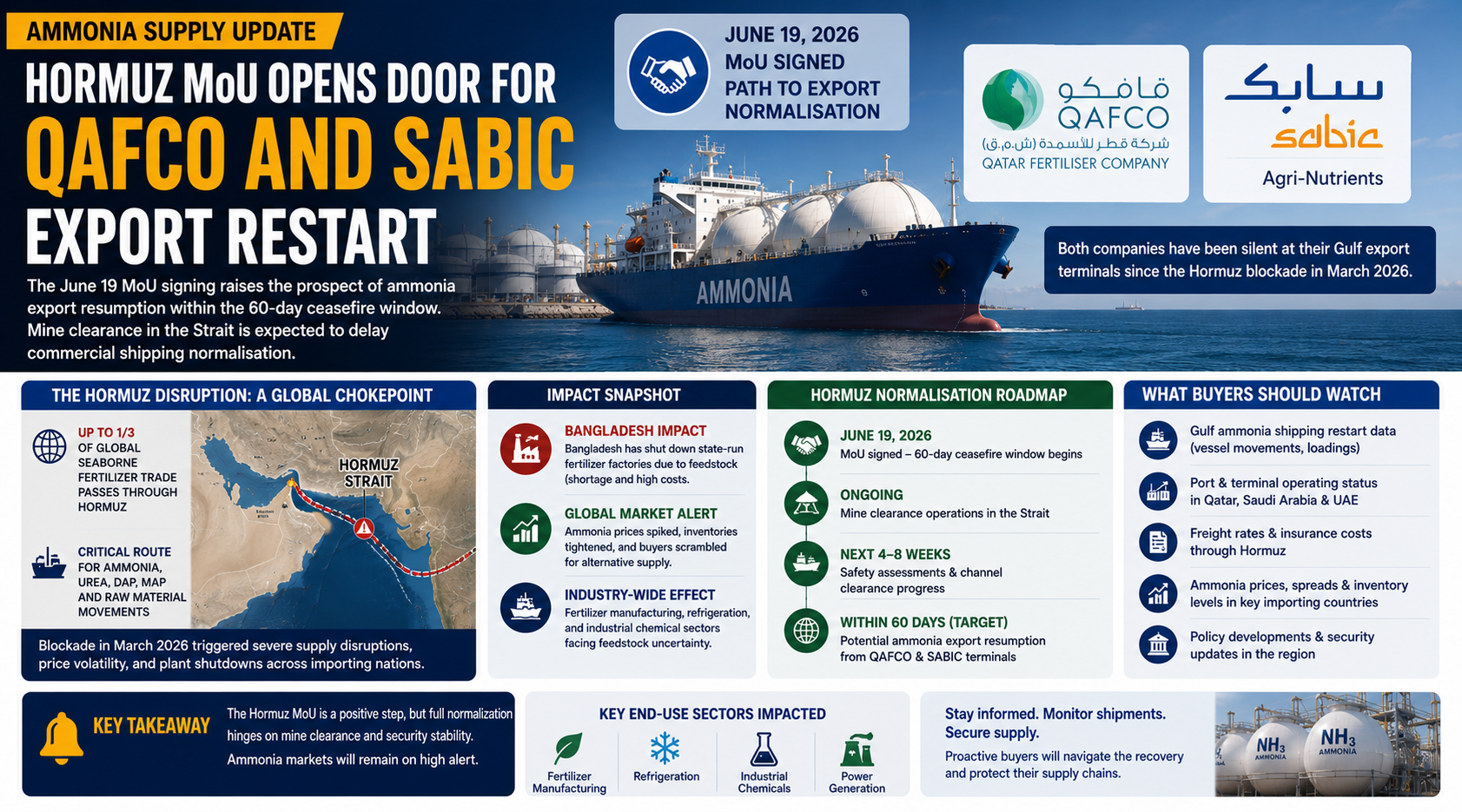
Ammonium Bicarbonate (E503(ii)) CAS: 1066-33-7
Ammonium Bicarbonate (E503(ii)) CAS: 1066-33-7
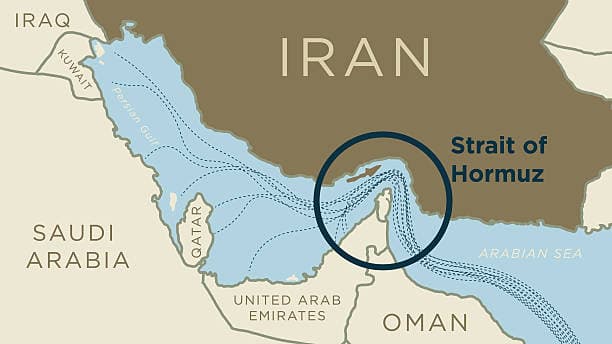
The Strait of Hormuz has seen fresh clashes that are once again cutting vessel transits, disrupting the flow of chemicals and fertilizers. These tensions elevate freight risk and threaten the stability of the global supply chain.
Jordan's pharmaceutical API exports are showing signs of recovery as regional shipping conditions improve. Buyers dependent on antibiotic APIs should use July to verify logistics, rebuild inventories and secure Q3 supply agreements. This guide evaluates logistics recovery, procurement risks and outlines actionable Q3 sourcing strategies.

War risk insurance has become one of the biggest cost drivers for Gulf chemical shipments in H1 2026. This review explains why premiums remain elevated even as physical exports recover and what procurement teams should expect during H2 2026.
The caustic soda market in Asia may be entering a new phase as Gulf producers gradually regain export access following developments at Bürgenstock. Indian suppliers that benefited from reduced regional competition during the Hormuz disruption now face potential pricing pressure, while buyers across Southeast Asia gain new sourcing opportunities heading into Q3 2026.
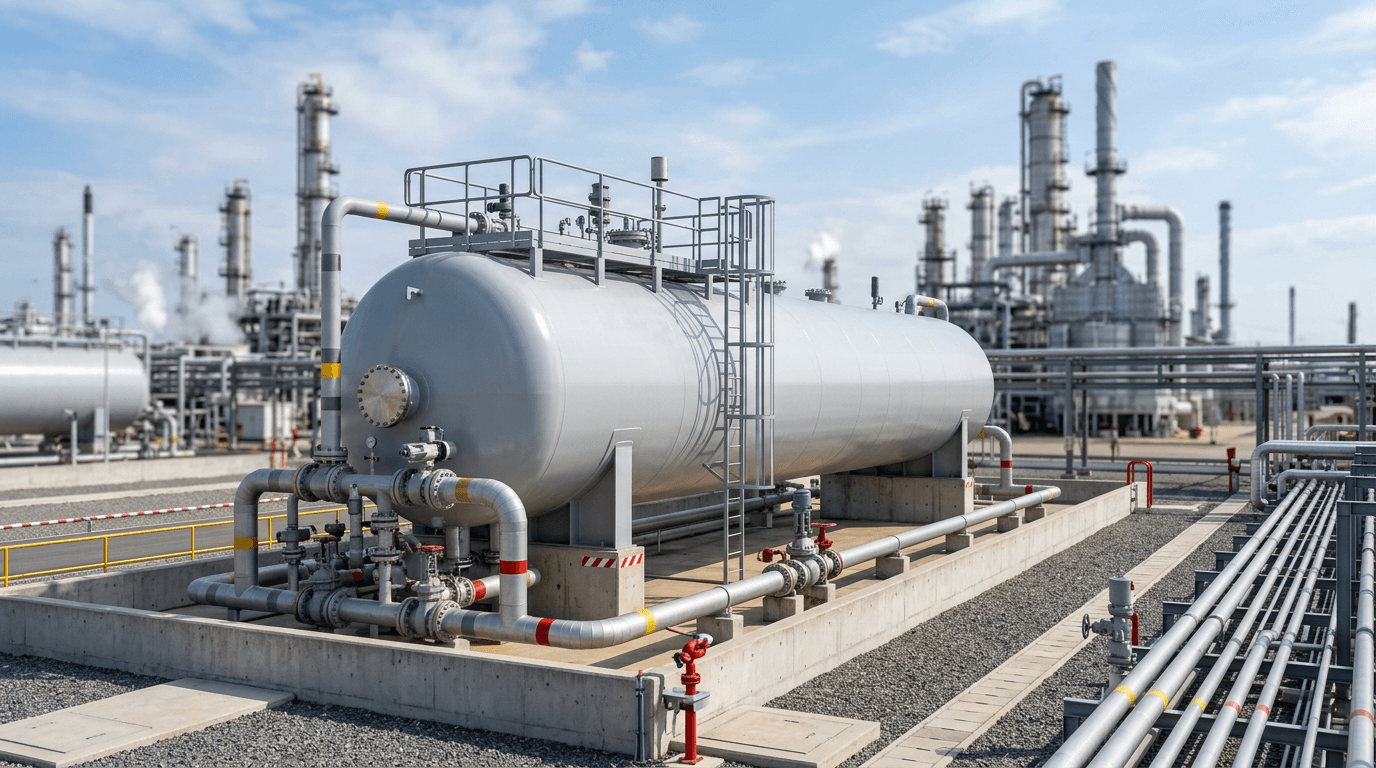
China’s expanding domestic petrochemical capacity helped replace Gulf PTA and paraxylene supply during recent disruptions. As Gulf exports begin returning, PTA buyers need to assess how new competition could affect pricing and sourcing strategies.

In 2026, the tapioca starch market remains robust as Indonesia and Thailand adapt to persistent port congestion in Southeast Asia. Supply chains show resilience through diversified sourcing, advanced logistics, and strategic procurement. Buyers can leverage these insights to secure stable supplies and cost efficiencies.
We're committed to your privacy. Tradeasia uses the information you provide to us to contact you about our relevant content, products, and services. For more information, check out our privacy policy.