
Related Insights

Geopolitical Intelligence: Shielding Chemical Buyers from Market Volatility
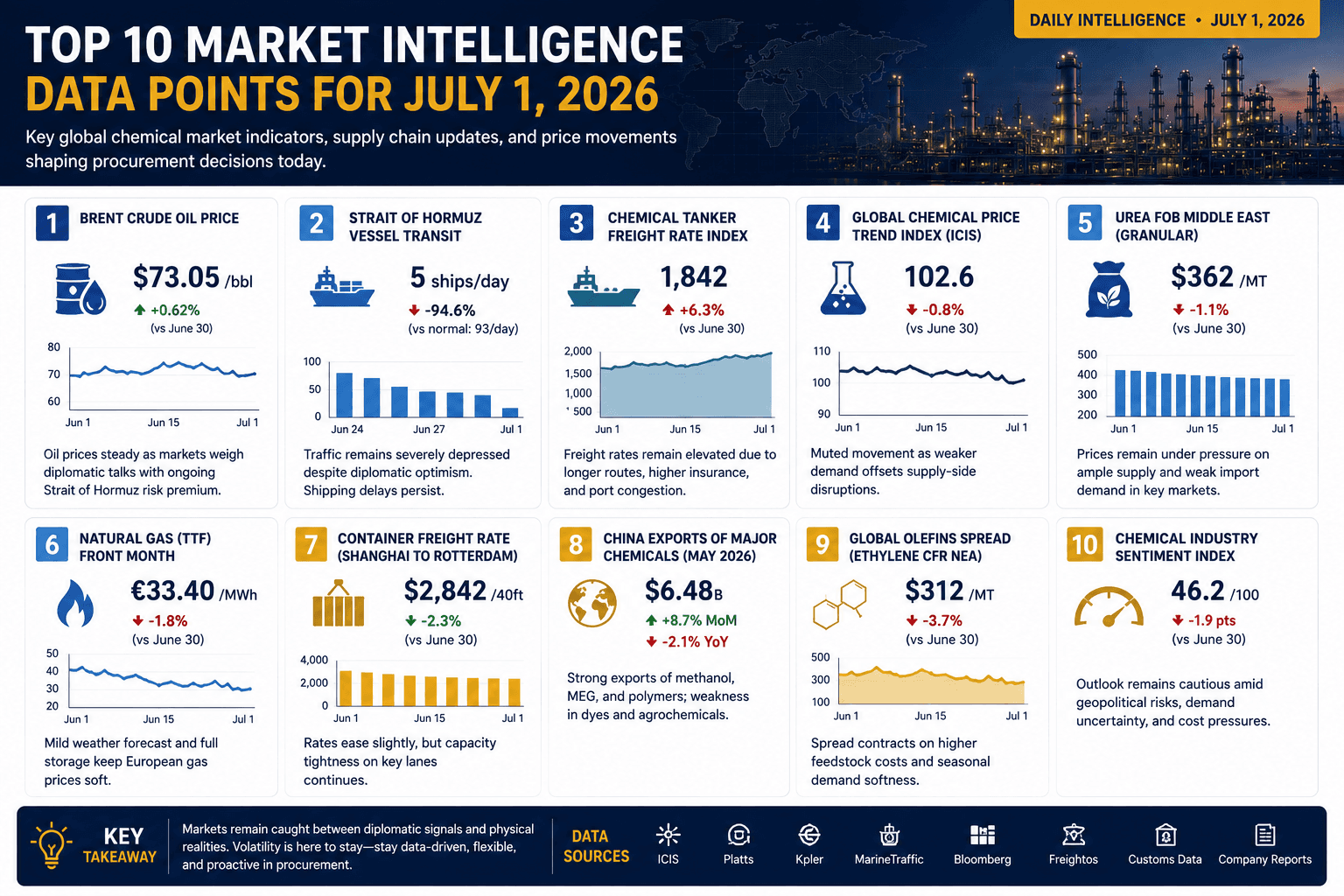
In campanha for chemical procurement, real‑time geopolitical intelligence outpaces traditional weekly updates, protecting margins against volatile energy policies. By tracking policy shifts instantly, buyers secure stable pricing and smarter purchasing decisions. This article explains why legacy reports fail in today’s fast‑moving supply chain.
Helium: Qatar's LNG Halt and the Forgotten Supply Chain
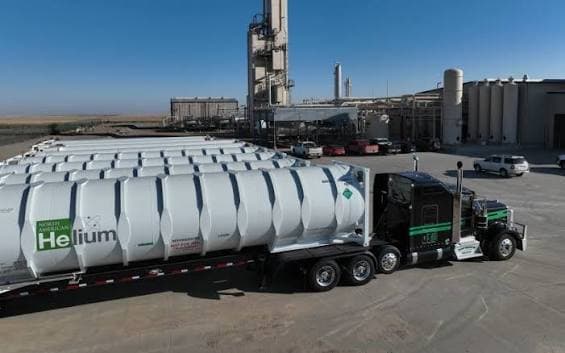
The 2026 Hormuz crisis created one of the most overlooked commodity disruptions in global markets: helium. Damage to Qatar’s Ras Laffan LNG infrastructure reduced helium production capacity, creating a structural supply shortage that may persist for years even as shipping conditions across Hormuz begin improving.

Parimal Tanker Attack Signals New Risks for Specialty Chemical Shipping
The March 18 fire on the Parimal tanker and the May 7 strike on JV Innovation mark a turning point for specialty chemical shipping. These attacks show that vessel nationality no longer shields operators from conflict‑related threats. Chemical logistics planners must now factor Gulf of Oman routes into their risk assessments.
VCI Q2 2026 Review Signals Deepening German Chemical Weakness
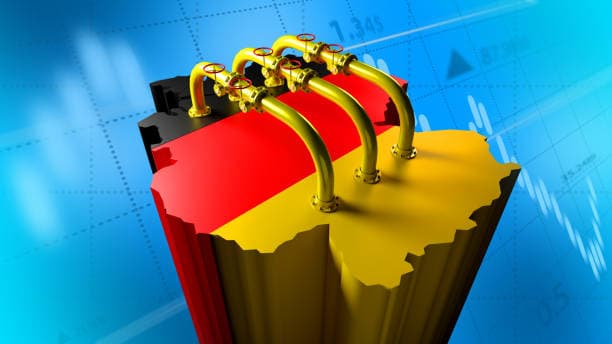
The upcoming VCI Q2 2026 report underscores a sharp decline in German chemical production, driven by soaring feedstock costs and weak domestic demand. Naphtha‑based downstream plants are hit hardest, while export disruptions to Asia and the Gulf further strain utilization rates. For buyers, the data offers critical insight into supplier stability and pricing dynamics across Europe.

Crop Protection Chemicals 2026: China Supply vs EU Anti‑Dumping Risk
In 2026 the crop protection chemicals market sits at a pivotal junction, with China’s control over active ingredient production and the European Union’s pending anti‑dumping rulings shaping the future of herbicides, fungicides and insecticides. This article examines the implications for pricing, supply chains and strategic sourcing across the agrochemical industry.

Electronic Chemicals: Semiconductor Demand Structural — Not Hormuz Dependent
Unlike many chemical markets affected by the Hormuz disruption, electronic chemicals remain constrained due to structural semiconductor demand driven by AI and advanced chip manufacturing. Buyers should not expect supply conditions to ease alongside broader chemical markets in H2 2026.
Don't miss out on our updates! Subscribe to our newsletter now
We're committed to your privacy. Tradeasia uses the information you provide to us to contact you about our relevant content, products, and services. For more information, check out our privacy policy.