Introduction
The Asia Pacific region stands as the global epicenter for animal protein production, driven by a burgeoning population, rising disposable incomes, and shifting dietary preferences. This unprecedented demand has catalyzed a parallel evolution in the animal feed industry, pushing it towards greater precision, efficiency, and sustainability. At the heart of this transformation are specialized feed additives, with amino acids playing a pivotal role in optimizing animal health and productivity. Among these, Valine, once considered a secondary amino acid, has emerged as a critical component in modern livestock and poultry ration formulation.
As the industry moves away from traditional protein sources like soybean meal, which are often variable in quality and price, the strategic inclusion of crystalline amino acids such as Valine becomes paramount. This shift allows nutritionists to create low-protein diets that are precisely balanced to meet an animal's specific needs, reducing nitrogen excretion and feed costs while maintaining optimal growth performance. The Asia Valine market is thus poised for significant growth, reflecting the region's broader trends in intensive farming and advanced animal nutrition practices.
This article provides a comprehensive analysis of the Valine in animal feed ingredients industry across Asia, offering a detailed forecast and exploration of key trends leading up to 2026. We will delve into the market drivers, regional dynamics, and the specific applications that make Valine an indispensable tool for progressive farmers and feed manufacturers aiming to thrive in this competitive landscape.
The Rising Importance of Valine in Modern Animal Nutrition
Valine is classified as a branched-chain amino acid (BCAA), alongside leucine and isoleucine. For decades, the focus in feed formulation was primarily on lysine, methionine, and threonine. However, advanced research has unequivocally demonstrated that Valine is the third or fourth limiting amino acid in typical corn-soybean meal diets for pigs and poultry. When diets are fortified with the first limiting amino acids, Valine becomes the next bottleneck that restricts protein synthesis, feed conversion efficiency, and overall animal development. Its role is fundamental to muscle metabolism, immune function, and neurological health.
The economic and environmental imperative to reduce crude protein levels in feed has further elevated the status of Valine. Formulating low-protein diets is a key strategy to lower feed costs and minimize nitrogen pollution from livestock operations. However, simply reducing protein sources creates deficiencies in specific amino acids. The supplementation of crystalline Valine allows nutritionists to bridge this gap precisely, ensuring that animals receive an optimal amino acid profile without the need for excess protein. This precision nutrition leads to healthier animals, more efficient growth, and a significantly reduced environmental footprint.
In the context of Asia, where disease pressures like Porcine Reproductive and Respiratory Syndrome (PRRS) can challenge swine herds, the role of Valine in supporting immune resilience is particularly valuable. Diets with adequate Valine levels have been shown to improve the immune response and recovery rates in challenged animals. This functional benefit, combined with its core role in growth, makes it a powerful tool for managing herd health in challenging production environments.
Asia Valine Market: Current Landscape and Forecast to 2026
The Asia Pacific region dominates the global Valine market, accounting for over 50% of consumption as of 2023. This dominance is projected to strengthen through 2026, with the market expected to grow at a compound annual growth rate (CAGR) of approximately 5-6%. China is the undisputed leader, both as the largest producer and consumer, followed by rapidly expanding markets in Southeast Asia, including Vietnam, Thailand, Indonesia, and the Philippines. India is also emerging as a significant growth market, driven by its modernizing poultry sector.
The market structure is characterized by the presence of global amino acid giants and a growing number of regional players. Production capacity expansions have been announced by key manufacturers to keep pace with the projected demand. The price of Valine has also seen greater stability compared to earlier years, as production technologies improve and economies of scale are achieved. This price stability makes it a more predictable and accessible ingredient for feed millers across the region.
Looking toward 2026, the market is forecasted to become more segmented. While the standard Valine product will continue to see high volume demand, there is growing interest in value-added forms, such as encapsulated or coated Valine for enhanced stability in specific feed processing conditions. The distribution network, including specialized suppliers like https://www.chemtradeasia.in/ for the Indian subcontinent and https://www.chemtradeasia.co.id/ for Indonesia, is becoming increasingly sophisticated, ensuring reliable supply chains and technical support for end-users.
Key Drivers Fueling Valine Demand in Asia
The single most powerful driver for Valine demand is the intensification and industrialization of the livestock sector. As Asia moves from backyard farming to large-scale, commercial operations, the focus shifts from mere survival to maximizing productivity and profitability. In these high-performance systems, every gram of feed conversion and every day saved to market weight has a substantial financial impact. Valine is directly linked to improving feed conversion ratios (FCR) and increasing lean muscle deposition, making it an essential investment for modern producers.
Another critical driver is the rising cost and volatility of conventional protein sources. The price of soybean meal, a staple in animal feed, is subject to global commodity fluctuations, weather events, and trade policies. This volatility creates significant financial uncertainty for feed manufacturers. By incorporating Valine and other amino acids, formulators can reduce their reliance on soybean meal, creating more cost-effective and stable least-cost ration formulations. This feed cost optimization is a top priority for the industry and will continue to propel Valine adoption.
Furthermore, increasing consumer awareness and regulatory pressure regarding sustainable and safe food production are pushing the industry toward greener practices. The ability of Valine-supplemented low-protein diets to reduce nitrogen excretion by 20-30% aligns perfectly with this trend. Governments in countries like China and Vietnam are implementing stricter environmental regulations for livestock farms, making nutritional strategies that mitigate pollution not just preferable, but often mandatory. This regulatory landscape provides a strong, long-term tailwind for the Valine market.
Spotlight on Valine: Features and Applications in Feed
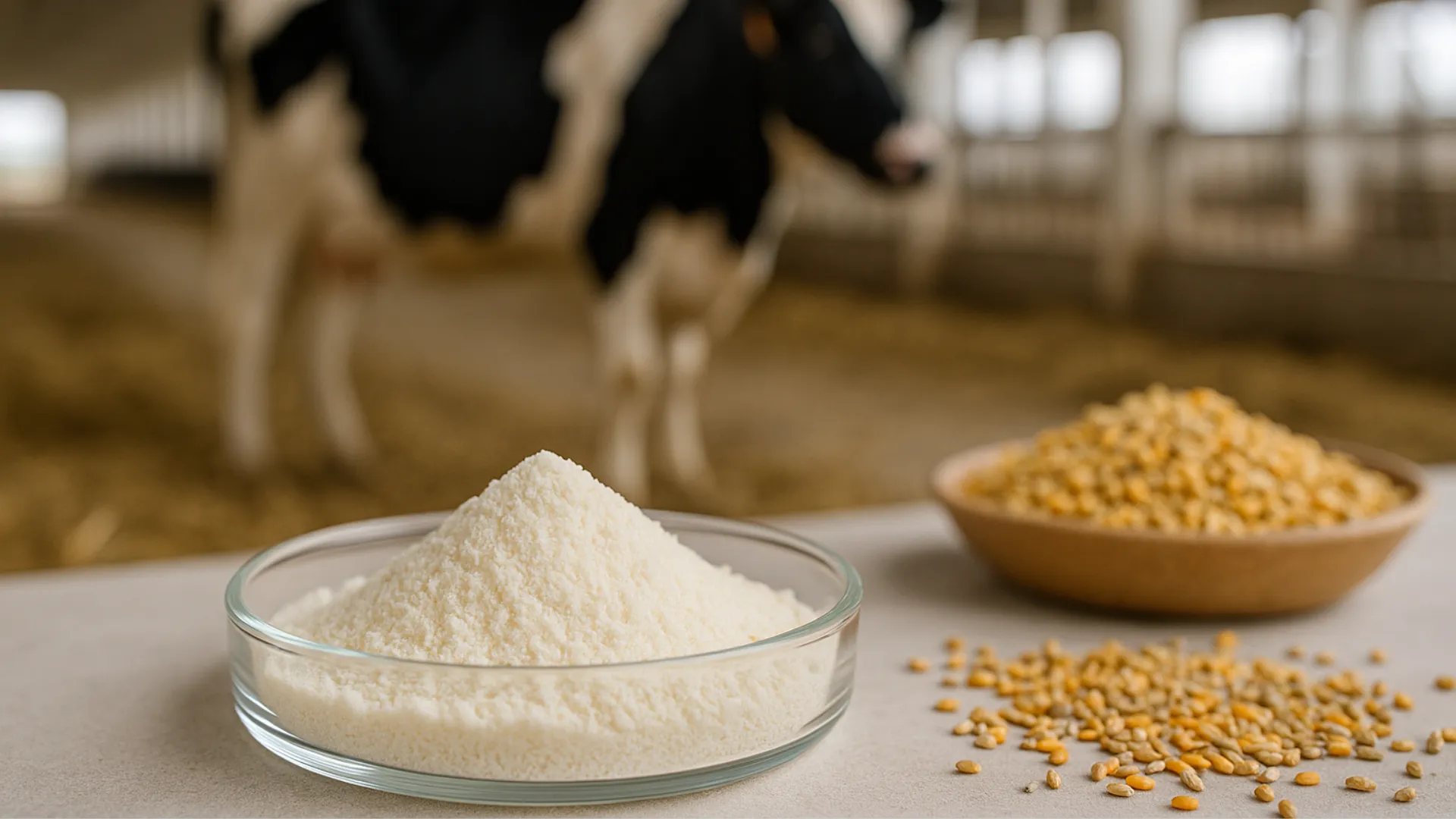
Valine as a feed additive is typically available as a white crystalline powder with a purity of 98.5% or higher. It is a highly stable amino acid under normal storage conditions and is freely soluble in water. In feed manufacturing, it is incorporated into premixes or directly into the mash or pellet feed during the mixing process. Its high stability ensures minimal degradation during pelleting, which involves heat and pressure. For nutritionists, it is crucial to understand the ideal amino acid ratios, often expressed relative to lysine. In swine diets, the standardized ileal digestible (SID) Valine:Lysine ratio is typically targeted between 65-70%, while in broiler diets, it can range from 75-80%.
The application of Valine is most critical in specific phases of production and for certain species. In swine feed, it is particularly vital for lactating sows and weanling piglets. During lactation, sows have immense nutritional demands to produce milk. Supplementing Valine in lactating sow diets has been proven to increase milk yield, improve piglet weaning weight, and reduce sow body condition loss. For piglets, a balanced amino acid profile including Valine supports a healthy gut development and a robust immune system during the stressful weaning transition.
In poultry nutrition, Valine is essential for broiler chickens and laying hens. For broilers, which are bred for rapid muscle growth, Valine is a key building block for breast meat yield—the most valuable part of the bird. Deficiencies can lead to reduced growth rates, poor FCR, and increased fat deposition. In laying hens, adequate Valine is necessary for maintaining peak egg production, optimal egg size, and improved feed efficiency. Modern high-yielding hybrid breeds are especially responsive to precise amino acid balancing, making Valine supplementation a standard practice in commercial layer operations.
Challenges and Opportunities in the Asian Market
Despite the optimistic forecast, the market faces several challenges. A primary hurdle is the knowledge gap among small and medium-scale farmers. While large integrators understand the science and economics of amino acid supplementation, smaller producers may still view Valine as an unnecessary cost rather than a strategic investment. Overcoming this requires concerted efforts in education and knowledge transfer from suppliers, distributors, and government extension services. Demonstrating a clear return on investment through local trials and case studies is crucial for broader market penetration.
Supply chain robustness is another area of focus. While major producers have strong capacities, any disruption in the complex bio-fermentation processes used to manufacture Valine can lead to short-term supply shortages and price spikes. Establishing resilient supply chains, supported by reliable regional partners, is essential for feed manufacturers to maintain consistent product quality and formulation integrity. Companies that can guarantee a stable supply, like those with a presence across key markets, hold a significant competitive advantage.
These challenges, however, present significant opportunities. The untapped potential in the SME sector represents a vast growth frontier. There is also an opportunity for innovation in product delivery, such as developing combination products or tailored solutions for specific regional challenges, like heat stress. Furthermore, the push for antibiotic-free animal production creates a new avenue for Valine, as optimal nutrition is the first line of defense in maintaining animal health and reducing the need for in-feed medications. Companies that can provide not just the product, but a full package of technical support and innovative solutions, are best positioned to lead the market into 2026 and beyond.
Conclusion
The trajectory for Valine in Asia's animal feed industry is unequivocally upward. Its critical role in enabling precise, cost-effective, and sustainable animal production aligns perfectly with the region's overarching goals of food security, economic efficiency, and environmental stewardship. The forecast toward 2026 points to sustained growth, driven by the continued intensification of livestock operations, volatility in raw material prices, and tightening environmental regulations.
For stakeholders—from feed manufacturers and farmers to investors and suppliers—understanding the dynamics of the Valine market is no longer optional but essential. Success in this evolving landscape will depend on embracing scientific formulation, building resilient supply chains, and investing in knowledge dissemination. As the industry moves forward, Valine will undoubtedly remain a cornerstone of advanced animal nutrition, powering Asia's journey toward a more productive and sustainable protein future.
Leave a Comment