Introduction
The Asian animal feed industry stands at a pivotal juncture as it moves into the final quarter of 2025. Characterized by rapid intensification of livestock production, evolving consumer preferences for protein, and a relentless drive for operational efficiency, the sector's reliance on precision nutrition has never been greater. At the heart of this nutritional revolution is L-Threonine, an essential amino acid that has transitioned from a supplementary additive to a cornerstone of modern feed formulation. The Q4 2025 market landscape for L-Threonine in Asia is shaped by a complex interplay of economic recovery post-pandemic, geopolitical trade adjustments, and a strong push towards sustainable agriculture.
This article provides a comprehensive analysis of the L-Threonine market trends across Asia for Q4 2025. We will delve into the specific demand drivers emanating from the poultry, swine, and aquaculture sectors, examine regional consumption patterns, and explore the critical factors that feed manufacturers must consider. Furthermore, we will highlight the importance of sourcing high-quality, reliable feed ingredients from established partners to navigate this dynamic market successfully and secure a competitive edge.
The Rising Star: L-Threonine as a Critical Feed Ingredient
L-Threonine is classified as an essential amino acid, meaning it cannot be synthesized by monogastric animals like poultry and swine and must be supplied through their diet. Its primary role is to support protein synthesis, which is fundamental for muscle development, maintenance of gut integrity, and optimal immune function. In modern animal feed formulation, L-Threonine is the third-limiting amino acid in poultry diets (after methionine and lysine) and the second-limiting in swine diets based on corn-soybean meal (after lysine). This "limiting" status means that if threonine is deficient, the animal cannot utilize other amino acids efficiently, leading to poor growth, feed conversion, and overall health.
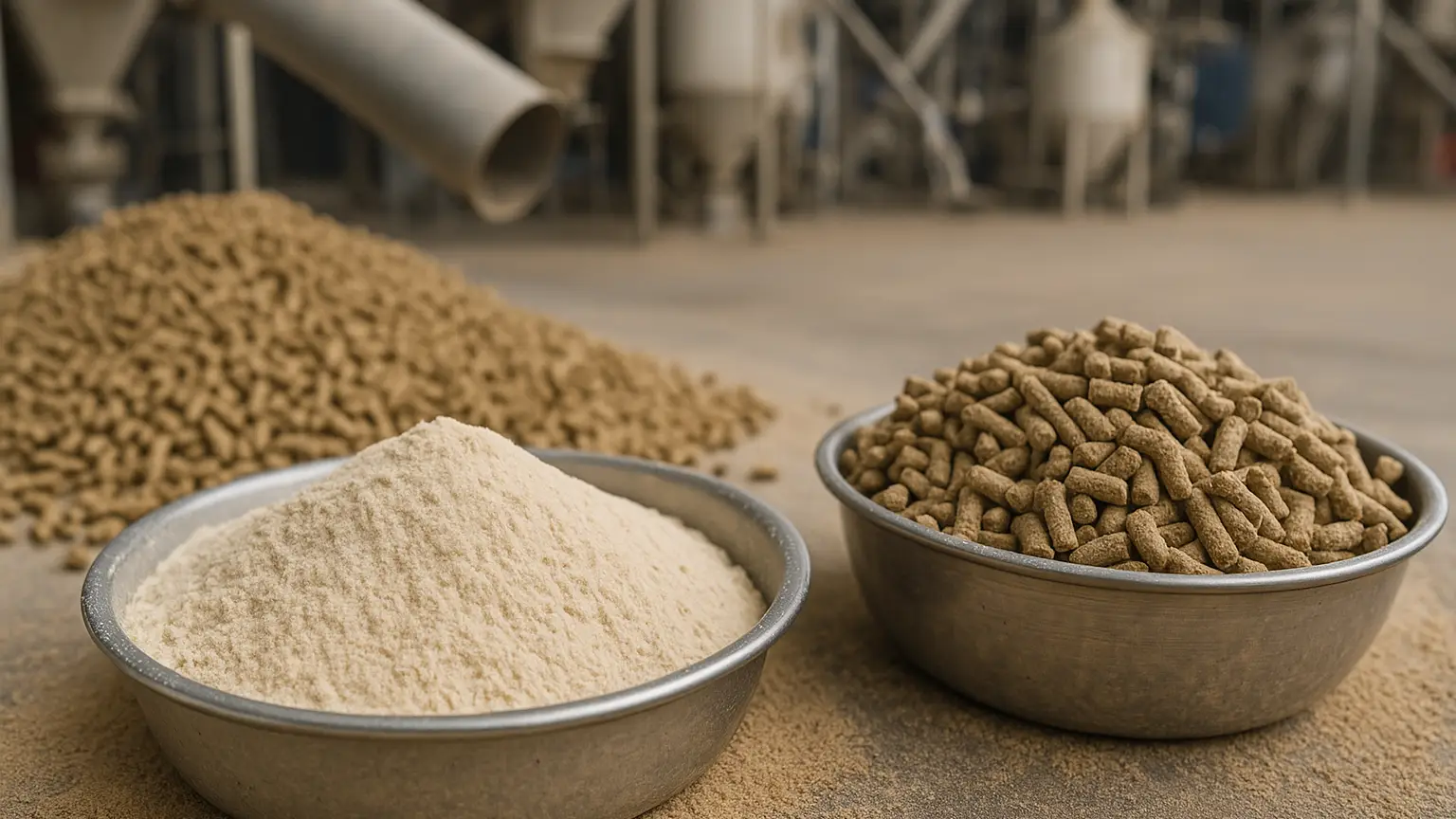
The product specifications for feed-grade L-Threonine are stringent to ensure efficacy and safety. Typically, it is available as a white to light yellow crystalline powder with a minimum purity of 98.5%. Its high bioavailability (often exceeding 95%) makes it a highly efficient nutritional tool. Compared to sourcing amino acids solely from traditional protein meals like soybean meal, supplementing with synthetic L-Threonine allows nutritionists to formulate "low-protein" diets. This is a game-changing application: by reducing crude protein levels in feed by 1-2 percentage points and balancing with crystalline amino acids like L-Threonine, feed mills can significantly lower feed costs, reduce nitrogen excretion into the environment, and lessen dependence on volatile soybean meal markets.
Beyond cost and sustainability, the use case for L-Threonine is expanding. In poultry, it is crucial for feather development and gut health, directly impacting livability and uniformity. In swine, adequate threonine is vital for sows' milk production and piglet survivability. The aquaculture sector, particularly in shrimp and fish farming, is also recognizing its value for improving feed conversion ratios (FCR) and supporting growth in high-density farming systems. This multifaceted utility solidifies its position as a non-negotiable component of advanced animal feed strategies.
Key Market Drivers in Asia's Q4 2025 Landscape
Several powerful forces are converging to drive the demand for L-Threonine in Asia during Q4 2025. Firstly, the region's ongoing protein consumption boom continues unabated. Rising disposable incomes in Southeast Asia and South Asia are shifting diets towards higher consumption of chicken, pork, and eggs. This directly translates to increased livestock production and, consequently, higher volumes of compound feed manufactured, each batch requiring precise amino acid balancing that includes L-Threonine. Governments across the region are also supporting domestic livestock sectors to ensure food security, providing a stable foundation for feed ingredient demand.
Secondly, the economic imperative of cost-effective production is paramount. The prices of conventional protein sources, particularly soybean meal, remain subject to global supply chain uncertainties and climate-related yield variations. In this context, the economic logic of using crystalline amino acids to reduce overall dietary protein levels becomes overwhelmingly attractive. Feed mills are aggressively adopting least-cost formulation software, which consistently identifies L-Threonine as a key lever for optimizing feed costs without compromising animal performance. This trend is expected to intensify in Q4 2025 as producers seek to protect margins.
Finally, regulatory and consumer pressures are shaping the market. Environmental regulations concerning nitrogen pollution from livestock operations are tightening in countries like China, Vietnam, and Thailand. Low-protein diets facilitated by L-Threonine supplementation offer a practical solution to meet these regulations. Simultaneously, the "clean label" and antibiotic-free production trends, while more prominent in the West, are gaining traction among Asian exporters and premium domestic producers. Since optimal amino acid nutrition is foundational for gut health and immunity—reducing the need for in-feed antibiotics—L-Threonine is a critical tool in these advanced production systems.
Regional Demand Analysis: Hotspots and Growth Areas
Demand for L-Threonine is not uniform across Asia; distinct hotspots are emerging based on regional livestock dynamics. China remains the undisputed epicenter of consumption, accounting for over half of Asia's demand. Its massive swine herd, which is recovering and modernizing after the African Swine Fever crisis, and its world-leading poultry industry create immense, consistent demand. Chinese feed mills are also at the forefront of adopting sophisticated nutritional technologies, making them high-volume users of supplemental amino acids like L-Threonine.
Southeast Asia represents the highest growth frontier. Countries like Vietnam, Indonesia, Thailand, and the Philippines are experiencing rapid industrialization of their livestock sectors. Vietnam's pork and poultry industries, Indonesia's booming broiler production, and Thailand's integrated poultry and aquaculture sectors are all major growth engines. The feed production in ASEAN is growing at a rate significantly higher than the global average, directly propelling L-Threonine consumption. South Asia, particularly India and Bangladesh, is another area of burgeoning potential. As these countries shift from backyard farming to more organized commercial production, the adoption of scientifically formulated compound feed—and the amino acids within them—is accelerating.
In East Asia, Japan and South Korea represent mature but stable markets characterized by a demand for high-quality, specialized feed for value-added meat production and pet food. Their focus is often on premium grades and specific formulations where L-Threonine plays a key role. Meanwhile, the aquaculture sector across coastal Asia, from India to Vietnam to China, is increasingly recognizing the value of amino acid supplementation in aquafeed to improve sustainability and profitability, opening a new and promising channel for L-Threonine demand growth in Q4 2025 and beyond.
Sourcing Quality: Navigating the L-Threonine Supply Chain
In a market driven by precision, the quality and reliability of feed ingredients are non-negotiable. Sourcing L-Threonine involves navigating a global supply chain dominated by a handful of large multinational producers, primarily based in China, Europe, and North America. For feed manufacturers and integrators in Asia, establishing a direct and trustworthy link to this supply is critical. This is where specialized B2B platforms and distributors play an invaluable role. They act as crucial intermediaries, ensuring consistent supply, verifying product specifications (such as purity, solubility, and absence of contaminants), and providing logistical support.
Platforms like chemtradeasia.in and chemtradeasia.co.id exemplify this vital link in the supply chain. These region-specific portals cater directly to the Asian market, offering a streamlined process for buyers to access a global network of L-Threonine suppliers. They provide more than just transactional services; they offer market intelligence, quality assurance, and logistical expertise tailored to the complexities of the Asian region. For a buyer in Indonesia, using chemtradeasia.co.id can simplify import procedures, provide local language support, and ensure compliance with regional standards.
When sourcing, key considerations beyond price include the supplier's production consistency, certification (e.g., FAMI-QS, ISO), packaging integrity, and ability to provide technical support. The origin of the product also matters, as it can affect shipping times and costs. A reliable sourcing partner mitigates risks associated with supply disruption, quality variance, and price volatility, allowing feed companies to focus on their core business of producing efficient and effective animal feed. In the competitive landscape of Q4 2025, a robust supply chain strategy is a significant competitive advantage.
Sustainability and Innovation in Feed Formulation
The role of L-Threonine is increasingly viewed through the lens of sustainability, making it a key enabler for the green transition of the livestock industry. As mentioned, its primary contribution is enabling low-protein diets. Reducing the crude protein in swine feed by just 1% can decrease nitrogen excretion by approximately 10%. This has a direct and profound impact on reducing the environmental footprint of farms, minimizing groundwater contamination, and lowering ammonia emissions into the atmosphere. For regions in Asia grappling with pollution from intensive farming, this is not just an economic benefit but a social and regulatory necessity.
Innovation in feed formulation is leveraging L-Threonine in new ways. Research is focusing on its specific effects on gut health and the intestinal microbiome. Optimal threonine levels are proven to support the production of mucin, a protective layer in the gut, thereby enhancing barrier function and overall animal resilience. This research is driving more precise phase-feeding programs, where L-Threonine levels are adjusted for different growth stages, stress conditions, or health challenges, maximizing its functional benefits beyond mere growth promotion.
Looking forward, the integration of L-Threonine into novel feed concepts is underway. This includes its use in circular economy models, such as feeds incorporating insect meal or food waste by-products, where amino acid profiles must be meticulously balanced. Furthermore, as precision livestock farming and digital feed management tools become more prevalent, the data on amino acid utilization will become even more granular. This will allow for real-time adjustments in feed blends, ensuring that every gram of L-Threonine is used with maximum efficiency, pushing the boundaries of sustainable animal production in Asia.
Conclusion
The Q4 2025 outlook for the L-Threonine market in Asia is decidedly bullish, underpinned by strong fundamentals of growing protein demand, economic necessity, and a pressing shift towards sustainable practices. L-Threonine has firmly established itself as a critical, indispensable feed ingredient, moving beyond a simple supplement to become a strategic tool for cost management, environmental stewardship, and animal health optimization. The regional hotspots of China and Southeast Asia will continue to lead consumption, while new applications in aquaculture and precision nutrition offer avenues for further growth.
For stakeholders in the animal feed industry—from nutritionists and purchasers to production managers—success in this dynamic market hinges on two factors: a deep understanding of these evolving trends and a reliable strategy for sourcing high-quality ingredients. Partnering with established and knowledgeable supply chain experts who understand the regional nuances, such as those accessible through platforms like chemtradeasia.in and chemtradeasia.co.id, will be essential to secure supply, ensure quality, and ultimately, formulate the next generation of efficient, sustainable, and profitable feeds for the Asian market.
Leave a Comment