Introduction
The Asian animal feed industry is undergoing rapid transformation as livestock, poultry, and aquaculture production expand to meet the protein needs of a growing population. Within this evolving landscape, trace mineral nutrition has become a critical focus for feed formulators and integrators. Among the key mineral additives, ferrous sulfate monohydrate and ferrous sulfate are emerging as essential iron sources for balanced and cost-effective feed formulations across the region.
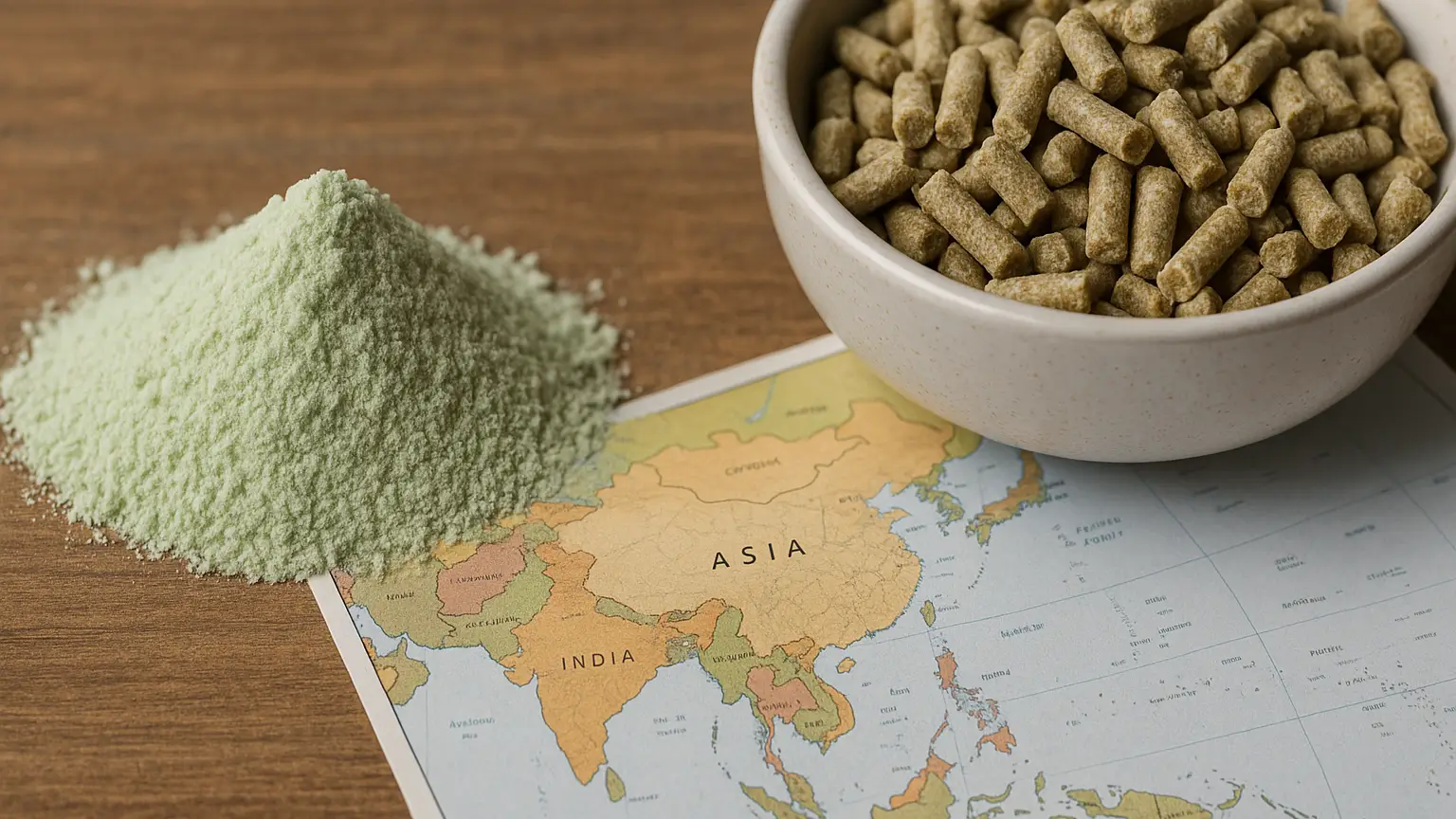
By 2026, Asia is expected to remain the world’s largest producer of compound feed, driven by major markets such as China, India, Indonesia, Vietnam, and Thailand. According to various industry assessments, Asia already accounts for more than one‑third of global compound feed production, and demand for efficient, standardized mineral ingredients continues to grow. This growth is fueled by intensifying commercial farming systems, stricter animal health standards, and rising consumer expectations for meat, milk, and egg quality.
Within this context, the application trends of ferrous sulfate monohydrate in animal feed are shifting from basic supplementation toward more precise, performance-oriented use. Feed manufacturers are now prioritizing ingredient consistency, bioavailability, and regulatory compliance. Platforms such as chemtradeasia.in and chemtradeasia.co.id play an increasingly important role in connecting feed producers with reliable sources of iron salts tailored to regional requirements, quality standards, and logistics constraints.
Rising Demand for Iron-Based Feed Ingredients in Asia
Iron is a vital trace mineral for all livestock species, supporting hemoglobin formation, oxygen transport, immune function, and growth. In intensive production systems common across Asia, natural feed materials often fail to provide sufficient bioavailable iron, especially for fast-growing broilers, high‑yielding sows, piglets, and dairy cattle. As a result, demand for iron-based feed ingredients such as ferrous sulfate monohydrate has been steadily increasing, with a notable acceleration projected toward 2026.
Several structural drivers underpin this trend. First, the shift from backyard and smallholder farming to commercial operations in countries like India, Indonesia, and Vietnam increases the use of scientifically formulated feeds that rely on standardized mineral premixes. Second, the region’s rapid urbanization and rising incomes are pushing up per‑capita consumption of animal protein, particularly poultry meat and aquaculture products. This, in turn, amplifies the need for efficient mineral supplementation to maintain growth rates and feed conversion ratios in larger herds and flocks.
Third, regulatory scrutiny around animal health, residue levels, and feed quality is tightening. Authorities in many Asian countries are aligning with international guidelines, promoting better nutrition management and limiting the misuse of growth-promoting drugs. In this environment, nutritional tools like ferrous sulfate become even more important as producers seek non-pharmaceutical ways to support animal performance and reduce morbidity. As a relatively low‑cost, widely available, and well-understood iron source, ferrous sulfate monohydrate is well positioned to benefit from these structural shifts.
Ferrous Sulfate Monohydrate: Properties, Grades, and Specifications
Ferrous sulfate monohydrate (FeSO₄·H₂O) is a crystalline iron salt that typically contains around 30%–32% elemental iron, depending on purity and manufacturing process. Compared with heptahydrate forms, the monohydrate grade offers a higher iron concentration, lower moisture content, and improved stability in storage and handling. These characteristics make it particularly attractive for use in premixes and compound feeds where precise dosing and flowability are crucial.
Feed-grade ferrous sulfate monohydrate is usually supplied as a fine, free-flowing powder or granules with controlled particle size distribution to minimize segregation in premixes. Typical specifications include minimum iron content, limits on heavy metals (such as lead, cadmium, and arsenic), low insoluble matter, and defined pH when dissolved in water. Reputable suppliers serving the Asian feed market also ensure compliance with local and international standards, including FAMI-QS, ISO, and where relevant, national feed additive regulations.
In addition to ferrous sulfate monohydrate, conventional ferrous sulfate heptahydrate (FeSO₄·7H₂O) is also used in some feed applications, especially where slightly lower iron concentration is acceptable and cost considerations are paramount. However, the monohydrate form is increasingly preferred for high‑performance feeds due to its higher assay and reduced transportation cost per unit of iron. Through sourcing platforms such as chemtradeasia.in and chemtradeasia.co.id, feed manufacturers can compare grades, origin, and packaging options—such as 25 kg bags, 50 kg bags, or jumbo bags—to match specific formulation and logistics needs.
Key Applications of Ferrous Sulfate in Animal Feed Nutrition
The primary application of ferrous sulfate monohydrate in animal nutrition is as a cost-effective iron source in mineral premixes and complete feeds. In poultry, ferrous sulfate is commonly incorporated into broiler, layer, and breeder diets to support hemoglobin formation and overall metabolic function. Adequate iron supplementation helps maintain growth rates, pigmentation, and egg production, especially in high‑performance genetic lines that have higher nutrient requirements than traditional breeds.
In swine nutrition, ferrous sulfate plays a critical role in piglet diets, particularly in creep feeds and pre-starter formulations. Piglets are born with limited iron reserves and often cannot obtain enough iron from sow’s milk alone, leading to a risk of iron-deficiency anemia. Supplementation via feed, alongside parenteral iron in some systems, helps improve vitality, weight gain, and survivability. Ferrous sulfate monohydrate’s high iron density and relatively good bioavailability make it a practical choice for premix manufacturers supplying the swine sector in Asia’s fast-growing markets.
Ruminants and aquaculture species also benefit from iron supplementation, though their requirements and delivery methods differ. Dairy cattle and beef cattle may receive ferrous sulfate monohydrate through mineral blocks, loose mineral mixes, or total mixed rations, particularly in regions where forage-based diets are low in available iron. In aquaculture, iron is sometimes included in specialized feeds for species such as carp, tilapia, and shrimp to support growth and immune competence. Here, the stability of ferrous sulfate in pelleting and extrusion processes, as well as its interaction with other minerals and vitamins, must be carefully managed by nutritionists and formulators.
Market Trends, Supply Dynamics, and the Role of chemtradeasia.in & chemtradeasia.co.id
By 2026, the Asian market for ferrous sulfate monohydrate in animal feed is expected to be influenced by several converging trends. One major trend is the consolidation of feed manufacturing, with larger integrated players seeking long-term contracts and consistent quality from raw material suppliers. This favors established distributors and trading platforms that can offer a diversified supplier base, quality assurance, and regional stock points. At the same time, smaller and mid-sized mills are increasingly using digital platforms to source ingredients more competitively and transparently.
Supply dynamics for ferrous sulfate in Asia are closely linked to upstream industries such as steel pickling, titanium dioxide production, and chemical manufacturing, where ferrous sulfate is often produced as a by‑product. While this provides a broad supply base, it also means that quality can vary significantly depending on origin and purification processes. Feed manufacturers therefore place high importance on documentation, traceability, and batch-to-batch consistency, especially when exporting finished feed or animal products to markets with strict regulatory standards.
Digital sourcing platforms like chemtradeasia.in (serving India and neighboring markets) and chemtradeasia.co.id (serving Indonesia and Southeast Asia) have become important partners for feed companies navigating this complex environment. These platforms typically provide detailed product information, technical data sheets, and compliance documents for ferrous sulfate monohydrate and related iron salts. They also facilitate price discovery, logistics coordination, and multi-origin sourcing, helping feed manufacturers mitigate supply risk and optimize landed cost. As sustainability and supply chain resilience gain prominence by 2026, such platforms are likely to play an even greater role in connecting Asian feed producers with reliable iron ingredient suppliers.
Conclusion
The application of ferrous sulfate monohydrate in Asia’s animal feed industry is poised for continued growth through 2026, driven by expanding livestock production, intensifying commercial farming, and a stronger focus on precise trace mineral nutrition. As feed producers strive to optimize performance and maintain animal health in a competitive market, cost-effective and dependable iron sources such as ferrous sulfate will remain central to mineral premix and complete feed formulations.
At the same time, evolving regulatory frameworks, increasing quality demands, and greater emphasis on supply chain transparency are reshaping how feed ingredients are sourced and managed. In this context, the role of structured sourcing channels and online platforms like chemtradeasia.in and chemtradeasia.co.id becomes increasingly strategic, enabling feed manufacturers to secure consistent, compliant, and competitively priced ferrous sulfate monohydrate across diverse Asian markets.
Looking ahead, the most successful feed producers in Asia will be those that integrate robust nutritional science with disciplined procurement practices. By leveraging high-quality ferrous sulfate monohydrate and other trace minerals, and by working closely with trusted suppliers and platforms, the industry can support healthier animals, more efficient feed conversion, and a more sustainable supply of animal protein for the region’s growing population.
Leave a Comment