Introduction
Across Asia, the animal feed industry is entering a new phase of growth driven by rising protein consumption, urbanization, and the expansion of commercial livestock and aquaculture operations. Within this dynamic environment, corn gluten meal has emerged as a strategic feed ingredient, valued for its high protein content, digestible energy, and pigmenting properties. As producers look ahead to 2026, understanding how corn gluten meal fits into regional feed formulations, supply chains, and regulatory landscapes is critical for maintaining competitiveness and profitability.
According to industry analyses, Asia-Pacific already accounts for more than one-third of global compound feed production, with China, India, Vietnam, Indonesia, and Thailand among the fastest-growing markets. As feed millers and integrators optimize rations for poultry, swine, ruminants, and aquaculture, they increasingly rely on alternative protein sources to complement or partially replace traditional soybean meal and fishmeal. In this context, corn processing by-products, particularly corn gluten meal, are gaining prominence due to their consistent quality and favorable nutritional profile.
This article explores projected corn gluten meal application trends in Asia by 2026, focusing on demand from the animal feed ingredient industry. It examines the composition and specifications of corn gluten meal, major market drivers, key applications across species, and the role of reliable sourcing platforms such as chemtradeasia.in and chemtradeasia.co.id. The goal is to provide feed manufacturers, nutritionists, and procurement teams with a comprehensive view of how corn gluten meal can support performance, cost efficiency, and supply security in the years ahead.
Corn Gluten Meal: Composition, Grades, and Key Specifications
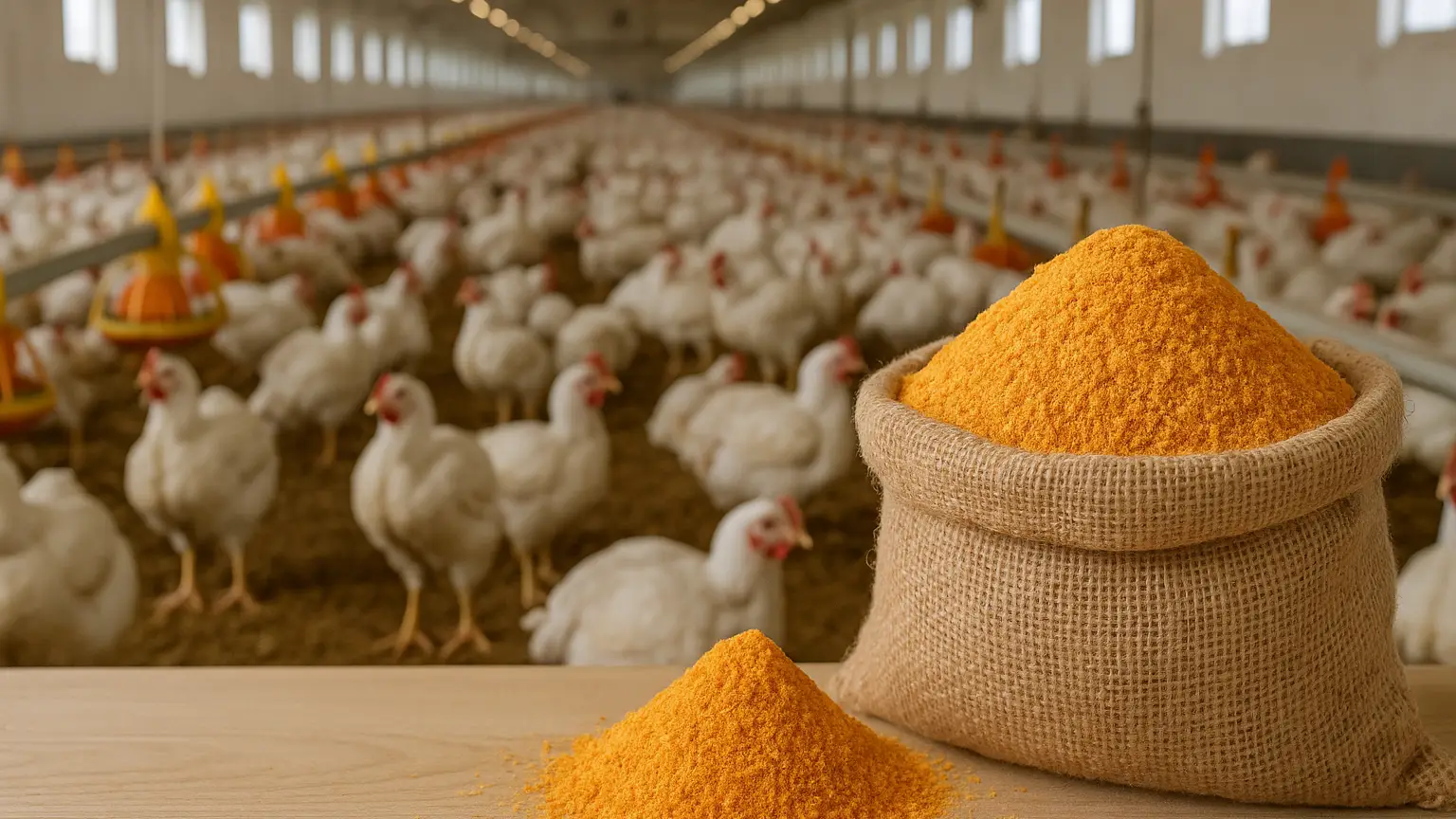
Corn gluten meal (CGM) is a co-product of the wet milling process used to produce corn starch, sweeteners, and other derivatives. After the separation of starch and germ, the remaining protein-rich fraction is dried to form a fine, golden-yellow meal. Nutritionally, corn gluten meal is characterized by a high crude protein content, typically in the range of 60–65%, with some premium grades exceeding 68%. It also provides metabolizable energy, essential amino acids, and natural xanthophyll pigments that are particularly valued in poultry diets for enhancing yolk and skin coloration.
From a technical standpoint, key specifications for feed-grade corn gluten meal in Asia generally include crude protein levels above 60%, moisture content below 12%, crude fat around 2–4%, and crude fiber typically under 3–4%. Ash content is usually maintained below 4–5% to ensure digestibility. The amino acid profile is rich in methionine and cystine but relatively lower in lysine compared to soybean meal, which is why nutritionists often use CGM in combination with other protein sources or supplemented with synthetic amino acids to achieve balanced formulations. Consistency in these parameters is essential, as fluctuations can directly impact feed conversion ratios and animal performance.
In the Asian market, buyers commonly distinguish between standard feed-grade CGM and higher-purity grades used in specialty feeds or pet food. Standard grades are used extensively in poultry, swine, and ruminant feeds, while low-ash, low-mycotoxin, and color-stable grades are preferred for aquafeed and premium pet nutrition. Suppliers accessible through platforms such as chemtradeasia.in and chemtradeasia.co.id typically provide detailed certificates of analysis (COAs), enabling feed formulators to match specific CGM grades with the nutritional and functional requirements of different animal categories.
Market Drivers for Corn Gluten Meal in Asia’s Animal Feed Industry
Several structural trends are expected to shape the demand for corn gluten meal in Asia’s animal feed sector through 2026. First, the region’s rising middle class is driving sustained growth in per-capita consumption of poultry, eggs, dairy, and fish. The OECD-FAO Agricultural Outlook indicates that Asia will remain the world’s largest consumer of meat and fish products, with poultry and aquaculture showing particularly strong expansion. This growth translates into higher demand for compound feed and, consequently, for high-quality protein ingredients such as corn gluten meal that can support efficient weight gain and improved feed conversion ratios.
Second, volatility in the prices of traditional protein sources—especially soybean meal and fishmeal—is encouraging feed manufacturers to diversify their ingredient portfolios. Weather-related supply risks in South America, geopolitical tensions affecting trade flows, and sustainability concerns around marine resources have all contributed to price uncertainty. Corn gluten meal, derived from the well-established corn processing industry, offers a relatively stable and scalable alternative. Its by-product status often provides cost advantages, particularly when corn processing capacity expands in response to biofuel or starch demand.
Third, regulatory and consumer pressures for more sustainable and traceable feed ingredients are reshaping procurement strategies. Many Asian integrators are adopting sustainability frameworks that favor better utilization of agricultural by-products and reduced reliance on wild-caught fishmeal. Corn gluten meal aligns with these goals by valorizing a by-product stream and offering a lower environmental footprint per unit of digestible protein compared with some marine proteins. Platforms like chemtradeasia.in and chemtradeasia.co.id support this trend by connecting buyers to vetted producers, providing documentation on origin, quality, and compliance with local and international feed safety standards.
Applications and Benefits of Corn Gluten Meal in Livestock and Aquaculture
The versatility of corn gluten meal is one of its key advantages in Asia’s animal feed industry. In poultry nutrition, CGM is widely used in broiler, layer, and breeder diets as a concentrated source of protein and energy. Its natural xanthophyll content enhances pigmentation, producing the yellow skin and egg yolk color preferred by many Asian consumers, particularly in markets such as China, Indonesia, and the Philippines. When incorporated at appropriate inclusion rates—often between 3–10% depending on diet formulation and cost—CGM can improve feed efficiency and support rapid growth without compromising carcass quality.
In swine and ruminant feeds, corn gluten meal serves primarily as a supplemental protein source. For grower and finisher pigs, CGM can partially replace soybean meal, especially in regions where soybean prices are high or supply is constrained. While its lysine content is lower, balanced formulations that leverage synthetic lysine can still achieve competitive performance. In dairy and beef cattle rations, CGM is used both in total mixed rations and in commercial concentrates, contributing rumen-undegradable protein that supports milk production and weight gain. Its relatively low fiber content and high digestibility make it attractive for high-performance animals.
Aquaculture represents another important growth area for corn gluten meal in Asia. As fish and shrimp farming expand in countries such as Vietnam, India, Indonesia, and Bangladesh, feed manufacturers are under pressure to reduce dependence on fishmeal while maintaining growth rates and feed conversion. CGM is used as a partial fishmeal replacer in diets for carp, tilapia, catfish, shrimp, and some marine species. Its stable protein content and palatability are advantageous, although careful formulation is needed to balance amino acids and ensure optimal digestibility. For this reason, aquafeed producers often specify tighter quality parameters—such as lower ash, controlled particle size, and minimal mycotoxin levels—when sourcing CGM through specialized suppliers and digital platforms.
Sourcing Corn Gluten Meal via Tradeasia
As demand for corn gluten meal expands across Asia, consistent and reliable sourcing becomes a strategic concern for feed manufacturers and traders. chemtradeasia.in, Tradeasia’s platform for the Indian market, and chemtradeasia.co.id, its Indonesian portal, play a key role in bridging the gap between regional buyers and global producers of corn-based feed ingredients. These platforms aggregate a network of vetted suppliers, including corn wet mills and integrated starch producers, enabling buyers to compare specifications, volumes, and delivery terms efficiently.
One of the primary benefits of sourcing through chemtradeasia.in and chemtradeasia.co.id is access to standardized documentation and quality assurance. Buyers can obtain detailed product data sheets, certificates of analysis, and information on compliance with feed safety regulations such as FAMI-QS, GMP+, or relevant national standards. This transparency is particularly important for large feed mills and integrators that operate across multiple Asian markets, where regulatory requirements and import controls can vary significantly. By centralizing information and logistics support, Tradeasia’s platforms help reduce the administrative burden and risk associated with cross-border procurement.
In addition, these platforms support flexible procurement strategies tailored to the evolving needs of the animal feed industry. Buyers can source full-container loads of corn gluten meal, explore mixed-container options with other feed ingredients, or negotiate long-term supply contracts to hedge against price volatility leading up to 2026. With regional offices and on-the-ground logistics expertise, chemtradeasia.in and chemtradeasia.co.id assist in coordinating shipments, managing customs clearance, and ensuring timely delivery to feed mills, even in emerging markets with developing infrastructure. This integrated approach allows nutritionists and purchasing managers to focus on optimizing formulations and performance while relying on a stable, traceable supply of corn gluten meal.
Conclusion
By 2026, corn gluten meal is poised to play an even more significant role in Asia’s animal feed ingredient landscape. Its high protein content, digestible energy, and functional benefits—especially pigmentation in poultry and partial fishmeal replacement in aquaculture—align closely with the region’s push for more efficient and sustainable animal production. As compound feed output continues to rise in major markets such as China, India, Indonesia, and Vietnam, demand for reliable, cost-effective protein sources like CGM is expected to grow in parallel.
At the same time, feed manufacturers will need to navigate challenges including price volatility in global grain markets, tightening regulatory standards, and heightened scrutiny of supply chain sustainability. Strategic ingredient diversification, robust quality control, and strong supplier partnerships will be critical in this environment. Corn gluten meal, as a by-product of the expanding corn processing industry, offers a pragmatic solution that can help balance performance, cost, and sustainability objectives in livestock and aquaculture systems.
Digital sourcing platforms such as chemtradeasia.in and chemtradeasia.co.id will be central to realizing this potential. By providing access to multiple corn gluten meal suppliers, standardized quality documentation, and end-to-end logistics support, they enable feed companies across Asia to secure the volumes and specifications they require. For stakeholders in the animal feed sector, proactively integrating corn gluten meal into long-term procurement and formulation strategies is likely to be a key competitive advantage in the evolving Asian protein economy through 2026 and beyond.
Leave a Comment