Introduction
Across Asia, the animal feed industry is entering a pivotal phase as producers balance cost, performance, and sustainability in livestock nutrition. In this environment, canola meal has emerged as a strategic protein ingredient for poultry, dairy, beef, aquaculture, and specialty feeds. As Q4 2025 unfolds, the region’s demand for protein-rich, reliable feed ingredients is intensifying, driven by expanding meat and dairy consumption and the need to optimize feed formulations against volatile raw material prices.
Canola meal, the co-product of canola oil extraction, offers a compelling combination of moderate to high protein, favorable amino acid profile, and competitive pricing compared with traditional protein sources such as soybean meal and fishmeal. Asian feed formulators are increasingly incorporating canola meal to diversify protein sources, reduce ration costs, and improve the sustainability profile of their feed offerings. This is particularly visible in key markets such as China, India, Indonesia, Vietnam, and Pakistan, where livestock and aquaculture sectors continue to grow.
The rise of digital trading platforms and integrated supply networks, including chemtradeasia.in and chemtradeasia.co.id, is also reshaping how canola meal is sourced and distributed across Asia. These platforms connect regional feed mills, integrators, and distributors with global canola processors, enabling more transparent pricing, better quality assurance, and improved logistics. This article examines the canola meal market trends in Asia during Q4 2025, with a focus on demand drivers from the animal feed ingredient industry, product benefits, and sourcing strategies.
Canola Meal in the Asian Animal Feed Ingredient Mix
In Asia’s rapidly expanding feed sector, canola meal is progressively moving from a niche alternative to a mainstream protein ingredient. Historically, soybean meal has dominated as the primary plant protein in many Asian rations. However, concerns around price volatility, supply chain concentration, and geopolitical risks are encouraging feed formulators to diversify. Canola meal, with a typical crude protein content of around 34–38% (on an as-fed basis for solvent-extracted meal) and a well-balanced amino acid profile, is increasingly used to partially replace soybean meal in poultry, swine, and ruminant diets.
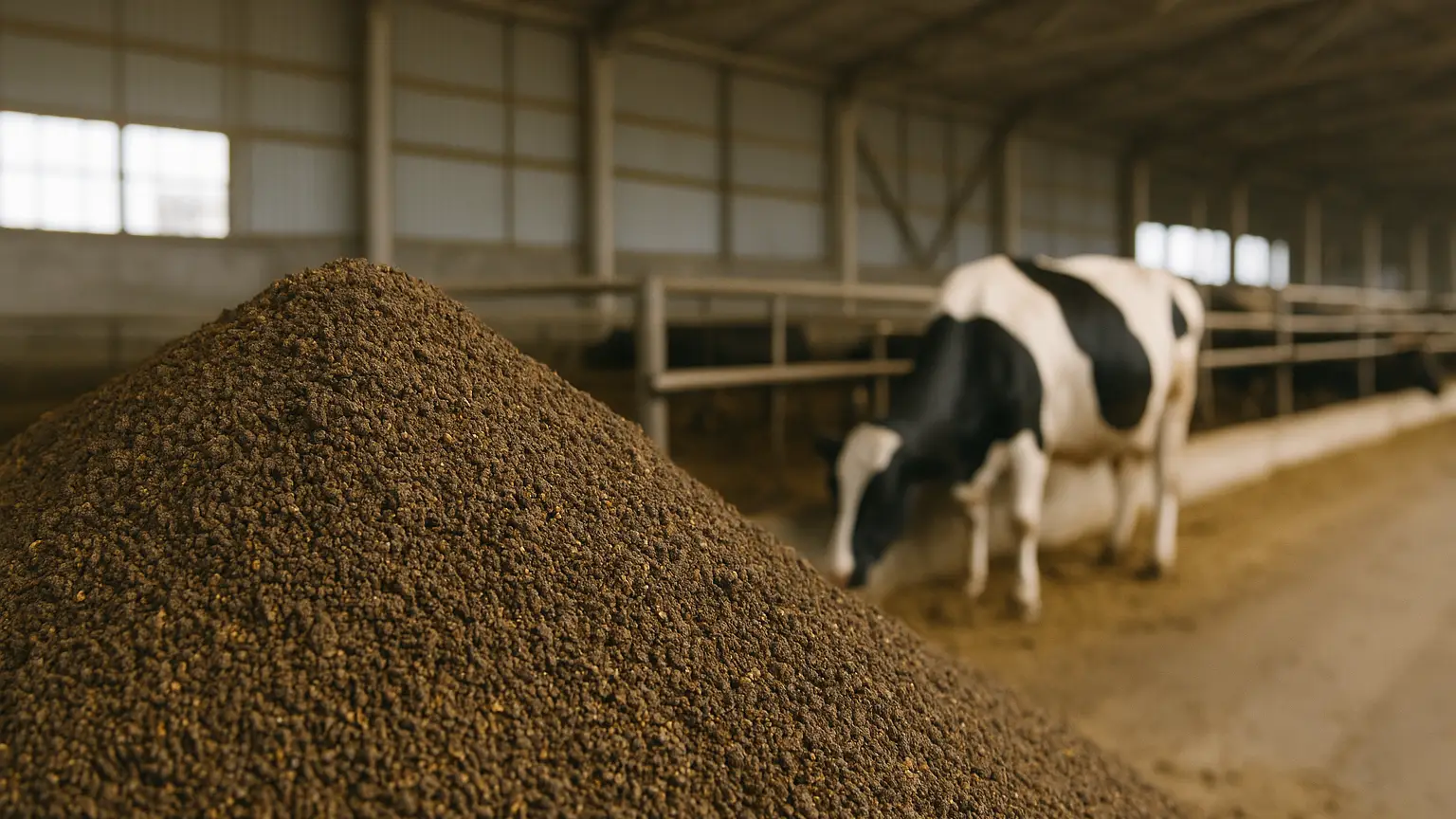
In ruminant feeds, particularly for dairy cattle, canola meal is recognized as one of the most effective plant protein sources for increasing milk yield and milk protein. Trials in Canada, the United States, and parts of Asia have shown that including canola meal at 15–20% of the concentrate portion can improve milk production compared with rations based solely on soybean meal. This evidence is influencing ration design in major Asian dairy regions such as India, Pakistan, and China, where processors and cooperatives are searching for cost-effective ways to raise productivity.
Aquaculture and poultry sectors in Southeast Asia are also exploring canola meal as a complementary protein source. In shrimp and fish feeds, partial substitution of fishmeal and soybean meal with canola meal can help reduce feed cost while maintaining growth performance, provided that formulations account for fiber level and anti-nutritional factors. In broiler and layer diets, canola meal is often incorporated at 5–10% of the total feed, with higher inclusion levels possible when diets are carefully balanced for energy and digestible amino acids. This growing technical acceptance is underpinning the steady rise in canola meal imports and intra-Asia trade flows during Q4 2025.
Q4 2025 Market Dynamics and Price Trends in Asia
Q4 2025 canola meal market dynamics in Asia are shaped by both global oilseed conditions and regional feed demand. Global canola seed production in 2024/25 has remained relatively strong, with Canada, the European Union, and Australia as key exporters. While weather-related yield variability in some producing regions has introduced price volatility, overall availability of canola seed and meal has been adequate. For Asian buyers, this has translated into relatively competitive canola meal prices versus high-protein soybean meal, especially when freight and currency movements are favorable.
On the demand side, Asia’s compound feed production continues to grow. According to industry estimates, the region accounts for more than 40% of global compound feed output, led by China, India, Vietnam, Indonesia, and Thailand. In Q4 2025, post-pandemic recovery in foodservice, steady population growth, and rising income levels are sustaining demand for poultry meat, eggs, pork, and dairy. This, in turn, is supporting robust demand for protein meals. Many feed mills are actively reformulating to mitigate the impact of any spike in soybean meal or fishmeal prices, making canola meal an attractive option in multi-protein strategies.
Logistics and trade policy factors also influence Q4 2025 canola meal flows into Asia. Freight rates have stabilized compared with the peaks seen in earlier years, easing landed cost pressures. At the same time, some Asian governments are maintaining relatively open import regimes for oilseed meals to ensure feedstock availability and food security. Platforms such as chemtradeasia.in and chemtradeasia.co.id are capitalizing on this environment by aggregating demand from multiple feed mills and negotiating competitive supply contracts with canola crushers in key exporting countries. This aggregation improves bargaining power and allows smaller regional mills to access canola meal at pricing and quality levels previously available mainly to large integrators.
Nutritional Benefits and Applications of Canola Meal in Feed
The appeal of canola meal in Asia’s animal feed formulations is rooted in its nutritional profile and functional performance. Typical solvent-extracted canola meal contains approximately 34–38% crude protein, 3–4% fat, 10–12% crude fiber, and a metabolizable energy content that varies by species (for poultry, roughly 1,900–2,100 kcal/kg as fed). It is particularly rich in essential amino acids such as methionine and cysteine, which are often limiting in cereal-based diets. While lysine content is slightly lower than soybean meal, the balanced amino acid profile allows canola meal to complement other protein sources effectively.
For ruminants, canola meal provides a favorable combination of rumen-degradable and rumen-undegradable protein, supporting both microbial protein synthesis and post-ruminal amino acid supply. Research has repeatedly shown that canola meal can improve milk yield and milk protein in dairy cows when included at moderate to high levels in the concentrate portion. Its relatively low starch content and moderate fiber also support rumen health and help maintain stable rumen pH, a key concern in high-concentrate dairy and beef finishing rations common in intensive Asian systems.
In monogastric species, such as poultry and swine, the main considerations are energy density and the presence of fiber and residual anti-nutritional factors (e.g., glucosinolates in older canola varieties). Modern “double-low” canola (low erucic acid, low glucosinolate) has significantly reduced these concerns, and feed-grade canola meal supplied through reputable channels like chemtradeasia.in and chemtradeasia.co.id typically meets strict specifications for glucosinolate content. With appropriate enzyme supplementation and formulation adjustments, canola meal can be included at 5–15% in poultry and swine diets without compromising growth performance, while helping reduce feed cost and diversifying protein sources.
Sourcing Canola Meal via chemtradeasia.in and chemtradeasia.co.id
Reliable sourcing is crucial for feed manufacturers and integrators who wish to incorporate canola meal consistently in their formulations. chemtradeasia.in and chemtradeasia.co.id serve as regional gateways for canola meal procurement, connecting Asian buyers with a network of international crushers and exporters. These platforms specialize in chemicals and feed ingredients, offering standardized product specifications, documentation, and logistics support tailored to the needs of feed mills, premix producers, and traders.
Typical canola meal specifications available through these platforms include minimum crude protein levels in the 36–38% range, maximum moisture around 12%, and controlled fiber and fat contents aligned with international feed standards. Quality assurance often encompasses parameters such as glucosinolate content, mycotoxin screening, and adherence to regulatory requirements in destination markets. By consolidating supplier information and laboratory data, chemtradeasia.in and chemtradeasia.co.id help buyers reduce the risk of inconsistent quality, which can otherwise disrupt feed production and animal performance.
Beyond product quality, these platforms add value through logistics optimization and flexible contract structures. Asian buyers can arrange spot purchases for short-term needs or negotiate longer-term supply agreements to hedge against market volatility in Q4 2025 and beyond. Integrated shipping solutions, including bulk vessel, containerized shipments, and just-in-time deliveries to port or inland warehouses, allow feed producers to manage inventory more efficiently. For smaller feed mills and regional distributors that may lack direct access to global canola exporters, partnering with chemtradeasia.in and chemtradeasia.co.id offers a practical route to participate in the canola meal market under competitive and transparent conditions.
Conclusion
As Asia’s animal feed industry advances into Q4 2025, canola meal is consolidating its role as a versatile, cost-effective, and nutritionally valuable protein ingredient. Its balanced amino acid profile, strong performance in dairy and ruminant feeds, and growing acceptance in poultry, swine, and aquaculture diets position it as a strategic complement to soybean meal and other protein sources. With regional feed demand expanding in line with rising consumption of animal protein, the structural drivers of canola meal usage in Asia appear robust.
Market conditions in Q4 2025—characterized by adequate global canola seed supply, relatively competitive pricing, and stable logistics—are further encouraging feed formulators to increase the share of canola meal in their ingredient mix. At the same time, sustainability considerations and risk management strategies are prompting integrators and independent mills to diversify away from single-source protein reliance. In this context, canola meal offers both economic and operational advantages, especially when supported by sound formulation and quality control practices.
Digital sourcing platforms such as chemtradeasia.in and chemtradeasia.co.id are playing an increasingly important role in enabling this transition. By providing access to standardized canola meal products, quality documentation, and optimized logistics, they help Asian feed manufacturers secure reliable supplies and respond quickly to market shifts. For stakeholders across the feed value chain—from nutritionists and formulators to procurement teams and traders—leveraging these platforms and the growing body of technical knowledge around canola meal will be key to capturing the opportunities emerging in Asia’s dynamic animal feed ingredient market.
Leave a Comment