Introduction
The rapid expansion of the animal protein sector across Asia is reshaping demand for high-quality, cost-effective feed ingredients. Poultry, swine, dairy, aquaculture, and ruminant producers are under pressure to improve feed efficiency, reduce production costs, and comply with tightening sustainability and safety standards. Within this changing landscape, canola meal has emerged as a strategic protein source that can complement or partially replace traditional meals such as soybean meal in compound feeds.
As one of the world’s most traded oilseed by-products, canola meal provides a reliable stream of digestible protein, amino acids, and energy for livestock. Its use is steadily increasing in Asian markets as nutritionists and feed formulators recognize its value in balanced rations. Suppliers such as chemtradeasia.in and chemtradeasia.co.id are helping connect regional feed manufacturers with global canola meal producers, ensuring consistent quality, documentation, and logistics support.
This article examines the role of canola meal in the animal feed ingredients industry in Asia, focusing on market trends and forecasts toward 2026. It explores nutritional features, key applications across species, and the evolving trade flows that underpin supply. It also highlights how platforms like chemtradeasia.in and chemtradeasia.co.id support buyers in sourcing canola meal and other feed ingredients efficiently and competitively.
Global and Asian Market Overview for Canola Meal
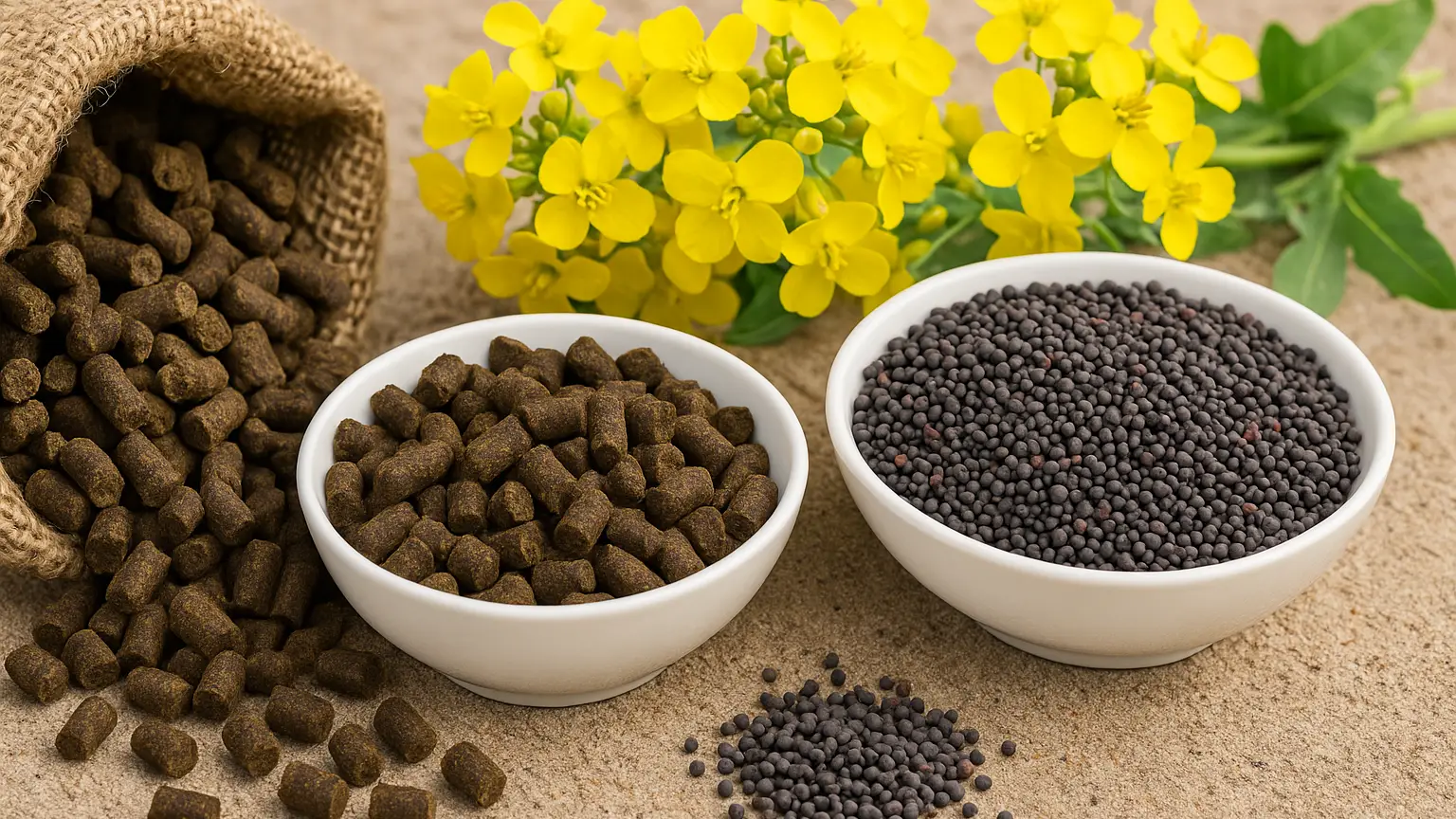
Canola is primarily cultivated in Canada, the European Union, Australia, and parts of China and India. After oil extraction, the remaining solid fraction is processed into canola meal, which is widely used as a protein source in animal feed. Globally, canola meal is the second-largest oilseed meal after soybean meal by volume. According to industry data up to 2023, world canola meal production typically ranges between 35–40 million metric tons annually, with Canada alone accounting for roughly one-third of global exports of canola products.
Asia has historically relied heavily on soybean meal imports to meet its protein needs for feed. However, diversification of protein sources is gaining traction due to price volatility, geopolitical risks, and the need to optimize amino acid profiles in feed formulations. As a result, imports of canola seed and canola meal into Asia—particularly into China, Japan, South Korea, and Southeast Asia—have been increasing. Feed manufacturers are using canola meal both as a supplement and as a partial substitute for soybean meal, especially where pricing and availability are favorable.
Looking toward 2026, most market forecasts anticipate steady growth in canola meal utilization across Asia, driven by expanding livestock and aquaculture production. Rising incomes and urbanization continue to push demand for animal protein, particularly poultry meat, eggs, fish, and dairy products. This, in turn, drives compound feed output. Industry analyses suggest that Asia’s compound feed production could grow at an annual rate of around 3–4% through the mid-2020s. Within this growth, canola meal is expected to capture a larger share of the protein mix, especially in markets where trade channels are well established via suppliers and aggregators such as chemtradeasia.in and chemtradeasia.co.id.
Nutritional Features and Benefits of Canola Meal in Animal Feed
The primary strength of canola meal lies in its robust nutritional profile. Typical solvent-extracted canola meal contains approximately 36–38% crude protein (on an as-fed basis), with a favorable amino acid composition. It is particularly rich in methionine and cysteine compared to many other plant-based meals, which is valuable in poultry and swine diets. Canola meal also provides residual oil (energy), phosphorus, and trace minerals, making it a well-rounded component in balanced rations.
From a digestibility standpoint, modern low-glucosinolate canola varieties have significantly improved the feed value of canola meal. Heat treatment and optimized processing technologies reduce anti-nutritional factors such as glucosinolates and tannins, improving palatability and nutrient availability. For ruminants, the rumen-undegradable protein (RUP) fraction of canola meal is noteworthy, supporting high-producing dairy cows and beef cattle. Studies from North American and European dairy sectors have shown that canola meal can enhance milk yield and protein content when used as part of a balanced ration, and these findings are increasingly being applied in Asian dairy systems.
Economically, canola meal often offers a cost advantage relative to soybean meal on a per-unit-of-digestible-protein basis, depending on regional prices and freight costs. For feed formulators in Asia, this cost-efficiency is a central benefit, especially in price-sensitive markets where feed can account for 60–70% of total production costs. By incorporating canola meal sourced through reliable channels like chemtradeasia.in and chemtradeasia.co.id, manufacturers can diversify their protein portfolio, stabilize formulations against market volatility, and optimize feed conversion ratios while maintaining performance standards.
Key Applications of Canola Meal Across Livestock Segments
In poultry nutrition, canola meal is used in broiler, layer, and breeder diets as a partial replacement for soybean meal. Its higher methionine content helps support feathering, growth, and egg production. Typical inclusion rates in broiler diets might range from 5–15%, depending on other ingredients and local cost structures, while layers can often tolerate slightly higher levels. Nutritionists carefully balance canola meal with energy sources and other proteins to maintain the desired amino acid profile and energy density, ensuring that growth rates and feed conversion remain competitive.
For swine, canola meal provides a complementary amino acid profile and can be used in grower-finisher, sow, and boar diets. Inclusion rates are generally moderate, often between 5–20%, with adjustments for fiber content and overall diet digestibility. When properly formulated, canola meal can help reduce feed costs without compromising carcass quality or growth performance. The relatively high fiber level compared with soybean meal can be advantageous in sow diets, supporting gut health and satiety, especially in gestating sows.
In ruminant systems, particularly dairy cattle, canola meal is widely recognized as a high-quality protein source. Research has repeatedly shown that canola meal can increase milk yield and improve milk protein percentage when replacing part of the soybean meal or other protein sources. Its favorable RUP fraction and balanced amino acid profile help meet the needs of high-producing cows. Additionally, in aquaculture diets for species such as carp, tilapia, and some marine fish, canola meal is being tested and used as a partial replacement for fishmeal and soybean meal, with careful formulation to address digestibility and palatability. As Asia’s aquaculture sector continues to expand, these applications are expected to grow, supported by consistent supply from traders and distributors like chemtradeasia.in and chemtradeasia.co.id.
Asia Market Outlook to 2026 and Role of Tradeasia
The outlook for canola meal in the Asian animal feed ingredients industry toward 2026 is shaped by several structural trends. First, continued growth in the region’s livestock and aquaculture sectors is driving persistent demand for protein-rich feed ingredients. Second, there is a clear movement toward more sophisticated, data-driven feed formulation, with greater emphasis on amino acid balancing, gut health, and environmental impact. Third, sustainability and supply chain resilience are gaining prominence, pushing feed manufacturers to diversify away from single-source dependence on soybean meal.
Within this context, canola meal is positioned as a strategic alternative and complement. Countries such as China, Japan, and South Korea already import significant volumes of canola seed and meal, often from Canada and Australia. Southeast Asian markets, including Indonesia, Vietnam, Thailand, and Malaysia, are increasingly exploring canola meal use in poultry, swine, and aquaculture feeds. India, with its own rapeseed-mustard production, is also looking at standardized canola-type meals to improve feed consistency. Market analysts anticipate that canola meal demand in Asia could grow at a faster rate than overall feed production, as formulators fine-tune diets to leverage its nutritional strengths.
Digital trading platforms and integrated supply networks play a crucial role in supporting this growth. chemtradeasia.in and chemtradeasia.co.id, as regional gateways of the wider Tradeasia network, connect Asian feed manufacturers with global producers of canola meal and other feed ingredients. By offering product specifications, quality documentation, and logistics coordination, these platforms reduce procurement complexity. Feed millers can compare offers, secure consistent volumes, and ensure regulatory compliance for imports. This is particularly important as more Asian countries tighten feed safety standards and documentation requirements for imported raw materials.
Looking ahead to 2026, the role of suppliers like chemtradeasia.in and chemtradeasia.co.id is likely to expand beyond simple trading. They are positioned to support technical information exchange, such as typical nutrient profiles, recommended inclusion rates, and compatibility with other feed ingredients. By integrating canola meal into broader portfolios that may also include amino acids, vitamins, minerals, and specialty additives, these platforms help feed manufacturers design more robust and cost-effective formulations. This integrated approach will be a key enabler of sustainable growth in Asia’s animal feed ingredients industry.
Conclusion
Canola meal has moved from being a niche ingredient to a mainstream component of modern feed formulations, particularly in markets that prioritize cost-efficiency, performance, and supply diversification. In Asia, where demand for animal protein continues to rise sharply, the role of canola meal in poultry, swine, ruminant, and aquaculture feeds is expected to strengthen steadily through 2026 and beyond.
Its nutritional advantages—balanced protein content, favorable amino acid profile, and proven performance in dairy and monogastric diets—make canola meal an attractive complement to soybean meal and other plant proteins. At the same time, its availability from major exporting regions provides Asian feed manufacturers with a valuable lever to manage price risks and supply security. As formulation technology and nutritional research continue to advance, canola meal’s inclusion can be optimized further for each species and production system.
Reliable sourcing channels are critical to realizing this potential. Platforms such as chemtradeasia.in and chemtradeasia.co.id play a central role in linking Asian buyers with global canola meal suppliers, ensuring consistent quality, documentation, and delivery. By leveraging these networks, feed manufacturers in Asia can integrate canola meal more confidently into their ingredient strategies, supporting the long-term competitiveness and sustainability of the region’s animal feed ingredients industry.
Leave a Comment