Introduction
The Asian animal feed industry is navigating a period of unprecedented transformation, driven by rising protein consumption, intensifying livestock production, and a sharp focus on nutritional efficiency. As we progress through the fourth quarter of 2025, one feed ingredient stands out for its rapidly escalating demand: Valine. This essential amino acid, once considered primarily in the context of swine and poultry nutrition, is now at the forefront of strategic feed formulation across the continent. The market dynamics for Valine are being shaped by a complex interplay of economic, environmental, and industry-specific factors.
This comprehensive analysis delves into the specific trends defining the Valine market in Asia for Q4 2025. We will explore the core drivers fueling this growth, from the region's booming livestock sector to the increasing adoption of low-protein diets aimed at reducing environmental impact and feed costs. Furthermore, this article will provide a detailed examination of feed-grade Valine itself—its specifications, benefits, and critical role in modern animal husbandry. For industry stakeholders, from feed millers to integrators, understanding these trends is no longer optional but essential for maintaining a competitive edge and ensuring sustainable production practices.
Key Drivers of Valine Demand in Asia's Feed Industry
The surge in Valine consumption is not occurring in a vacuum; it is a direct response to several powerful macroeconomic and industry shifts. Primarily, the relentless growth of the middle class in countries like China, India, Vietnam, and Indonesia has catalyzed a structural change in dietary patterns. There is a sustained and growing demand for animal protein, including pork, poultry, and eggs. To meet this demand, livestock production has shifted from traditional, small-scale operations to large-scale, intensive farming systems where feed efficiency and animal health are paramount. In these systems, precision nutrition with balanced amino acids like Valine is critical for optimizing growth rates and feed conversion ratios.
Another significant driver is the industry-wide move towards low-protein diets. Formulating diets with reduced crude protein levels, supplemented with crystalline amino acids, is a key strategy for lowering feed costs and minimizing nitrogen excretion into the environment. As the third-limiting amino acid in swine diets after lysine and threonine, Valine becomes a crucial supplement in these formulations. Without adequate Valine, pigs and poultry cannot efficiently utilize the other amino acids present, leading to poor performance and wasted feed. This trend is strongly supported by regulatory pressures and a growing corporate emphasis on sustainability within the Asian animal feed sector, making Valine a cornerstone of eco-friendly animal production.
Spotlight on Feed-Grade Valine: Specifications and Benefits
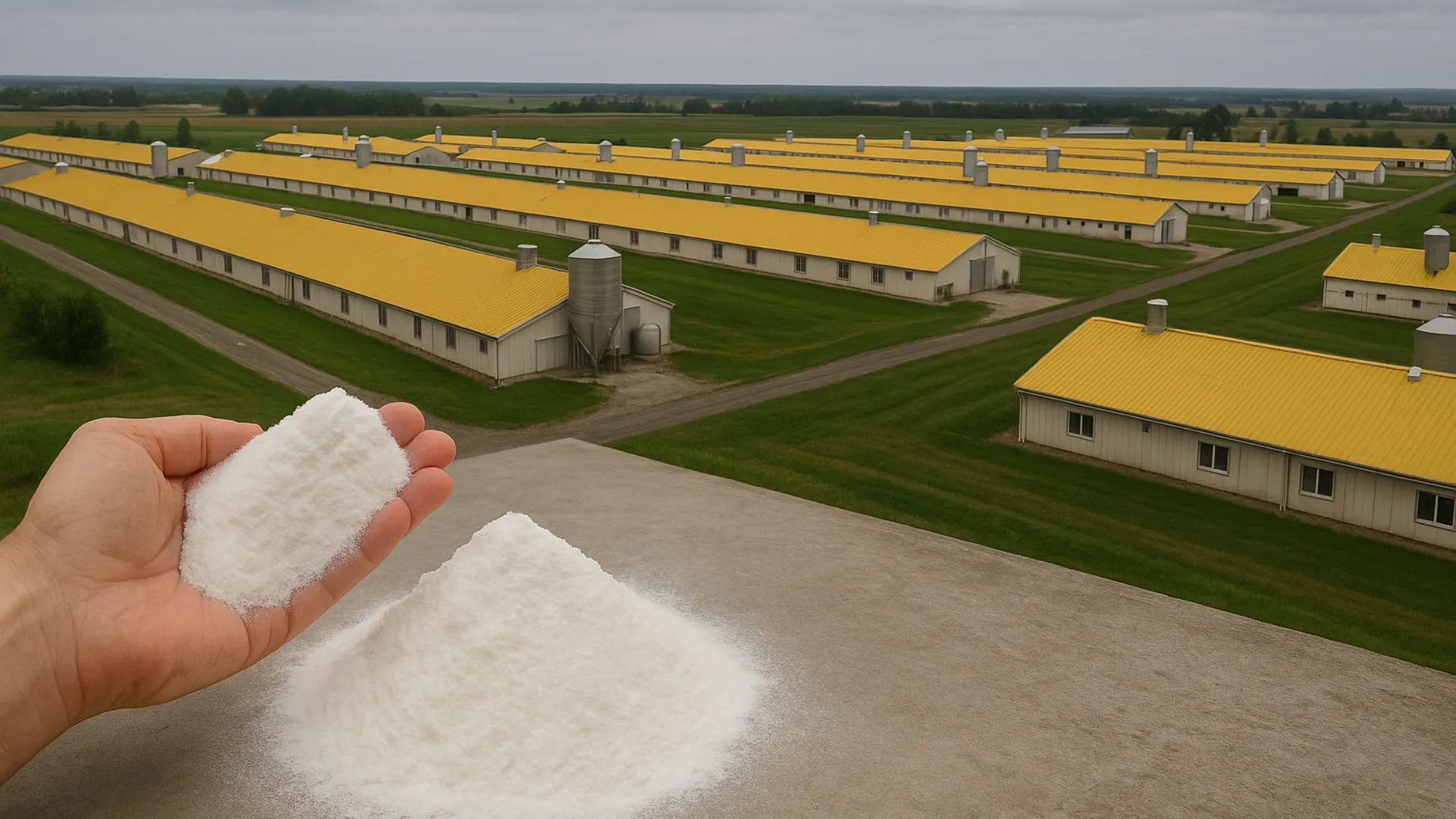
Feed-grade Valine is a purified, crystalline form of L-Valine, specifically manufactured to meet the stringent requirements of modern animal nutrition. Its high bioavailability ensures that it is rapidly absorbed and utilized by livestock, making it a highly efficient supplement. Typical specifications for high-quality feed-grade Valine include a purity level of over 98.5% and minimal moisture content to ensure stability and ease of handling in feed mills. It is a vital component in the quest for precision nutrition, allowing formulators to create diets that meet the exact amino acid requirements of animals at different life stages without relying solely on variable plant-based protein sources.
The benefits of supplementing with Valine are well-documented and multifaceted. For swine, particularly in lactating sow diets, adequate Valine is crucial for maintaining milk production, which directly impacts piglet weaning weight and overall litter health. In growing-finishing pigs and broilers, it supports optimal muscle development, improves feed intake, and enhances overall growth performance. By ensuring a balanced amino acid profile, Valine helps prevent deficiencies that can manifest in reduced growth rates, poor feed conversion, and increased susceptibility to disease. This translates directly to improved profitability for producers through lower feed costs per kilogram of meat produced and enhanced animal well-being.
When compared to other amino acids like lysine and methionine, which have mature and established markets, Valine represents the next frontier in amino acid supplementation. While lysine and methionine are supplemented to meet the first and second-limiting positions, the optimization of diets now increasingly depends on addressing the third-limiting amino acid, which is often Valine in corn-soybean meal based diets prevalent in Asia. This positions Valine not as a replacement, but as a complementary and essential component of a comprehensive amino acid strategy.
Regional Market Analysis: Hotspots for Growth
The demand for Valine is not uniform across Asia; specific regions are emerging as particularly dynamic hotspots. China continues to be the largest and most influential market, accounting for a dominant share of the continent's Valine consumption. The consolidation of its swine industry post-African Swine Fever has led to the dominance of large, sophisticated producers who heavily utilize advanced nutritional strategies, including precise Valine supplementation. Government policies encouraging reduced antibiotic use in feed also push formulators towards nutritional solutions that bolster animal health, further driving Valine adoption.
Southeast Asia is the fastest-growing regional market. Countries like Vietnam, Indonesia, Thailand, and the Philippines are experiencing rapid expansion in their commercial poultry and swine sectors. In Indonesia, for instance, the government's focus on self-sufficiency in animal protein is fueling investments in large-scale farming, creating a robust demand for high-quality feed ingredients. Meanwhile, the Indian subcontinent presents a massive potential market. As the dairy and poultry sectors modernize and intensify, the awareness and application of advanced amino acid balancing are steadily increasing. This regional diversification underscores the continent-wide nature of the Valine boom and indicates a long-term structural shift in feed formulation practices.
Sourcing High-Quality Valine: A Guide for Feed Manufacturers
For feed manufacturers, the reliability of their Valine supply chain is a critical business concern. Sourcing a consistent, high-purity product is non-negotiable for maintaining the efficacy of feed formulations and the health of livestock. Key criteria for selecting a Valine supplier include verifying Certificates of Analysis (CoA) for each batch to ensure purity and absence of contaminants, assessing the supplier's manufacturing capabilities and compliance with international quality standards like FAMI-QS or ISO, and evaluating their logistical network to guarantee on-time delivery and product integrity.
Establishing partnerships with reputable and experienced distributors is a strategic move. Companies like Chemtradeasia.in in India and Chemtradeasia.co.id in Indonesia specialize in the supply of critical feed ingredients and offer valuable support beyond mere logistics. They provide technical expertise on product application, market intelligence on price trends, and robust supply chain solutions that mitigate the risk of shortages. Partnering with such established entities ensures that feed manufacturers can focus on their core business operations with the confidence that their Valine supply is secure, consistent, and of the highest quality.
The Future Outlook: Valine Beyond 2025
Looking beyond Q4 2025, the trajectory for the Valine market in Asia points toward sustained and robust growth. The fundamental drivers—population growth, urbanization, and rising incomes—are long-term trends that will continue to propel demand for animal protein. Consequently, the need for efficient and sustainable feed production will only intensify. Valine will play an increasingly central role as feed formulations become even more precise, moving beyond standard requirements to ideal amino acid ratios tailored for specific genetics, health status, and production goals.
Innovation will also shape the future of Valine application. Research is ongoing into its roles in gut health and immune function, potentially opening new avenues for its use as a functional nutrient beyond its classic role in growth promotion. Furthermore, advancements in fermentation technology are expected to improve production efficiencies, which could make Valine even more cost-effective and accessible to a broader segment of the market. The convergence of nutritional science, technology, and sustainability imperatives ensures that Valine will remain a critical and dynamic component of the Asian animal feed landscape for the foreseeable future.
Conclusion
The Q4 2025 landscape for the Valine market in Asia is unequivocally one of expansion and strategic importance. The growing demand from the animal feed ingredient industry is a direct result of the continent's evolving protein economy and a collective shift towards more efficient and sustainable livestock production. Feed-grade Valine has proven itself to be an indispensable tool for nutritionists aiming to optimize animal performance, reduce environmental footprint, and manage feed costs effectively.
For businesses operating within this vibrant sector, success will hinge on the ability to navigate this dynamic market. This requires not only an understanding of the macroeconomic and regional trends but also a strategic approach to sourcing. Building strong relationships with reliable Valine supplier partners is crucial for securing a consistent supply of high-quality product. As Asia continues to drive global growth in animal protein production, Valine will undoubtedly remain a key ingredient powering this progress, making its market a critical area of focus for all industry stakeholders.
Leave a Comment