Introduction Stearic Acid
The American industrial landscape is in a state of constant evolution, driven by consumer preferences, regulatory pressures, and technological advancements. At the heart of this transformation for several key sectors is a seemingly humble yet indispensable material: Stearic Acid. This saturated fatty acid, derived from both animal and vegetable sources, is experiencing a significant recalibration in demand across the United States. Once viewed primarily as a simple processing aid or emulsifier, Stearic Acid is now at the forefront of discussions about sustainability, product performance, and supply chain resilience in the cosmetics, plastics, and rubber industries.
Understanding these demand shifts is crucial for manufacturers, formulators, and procurement specialists. The dynamics are complex, involving a move towards plant-based origins in beauty products, a search for functional and "greener" additives in plastics, and a need for consistent quality in high-performance rubber. This article will delve deep into the specific factors reshaping the Stearic Acid market in the USA, examining the unique drivers in each sector and highlighting the importance of partnering with a knowledgeable and reliable supplier like Chemtradeasia to navigate this changing terrain successfully.
The Versatile Role of Stearic Acid in Modern Industry
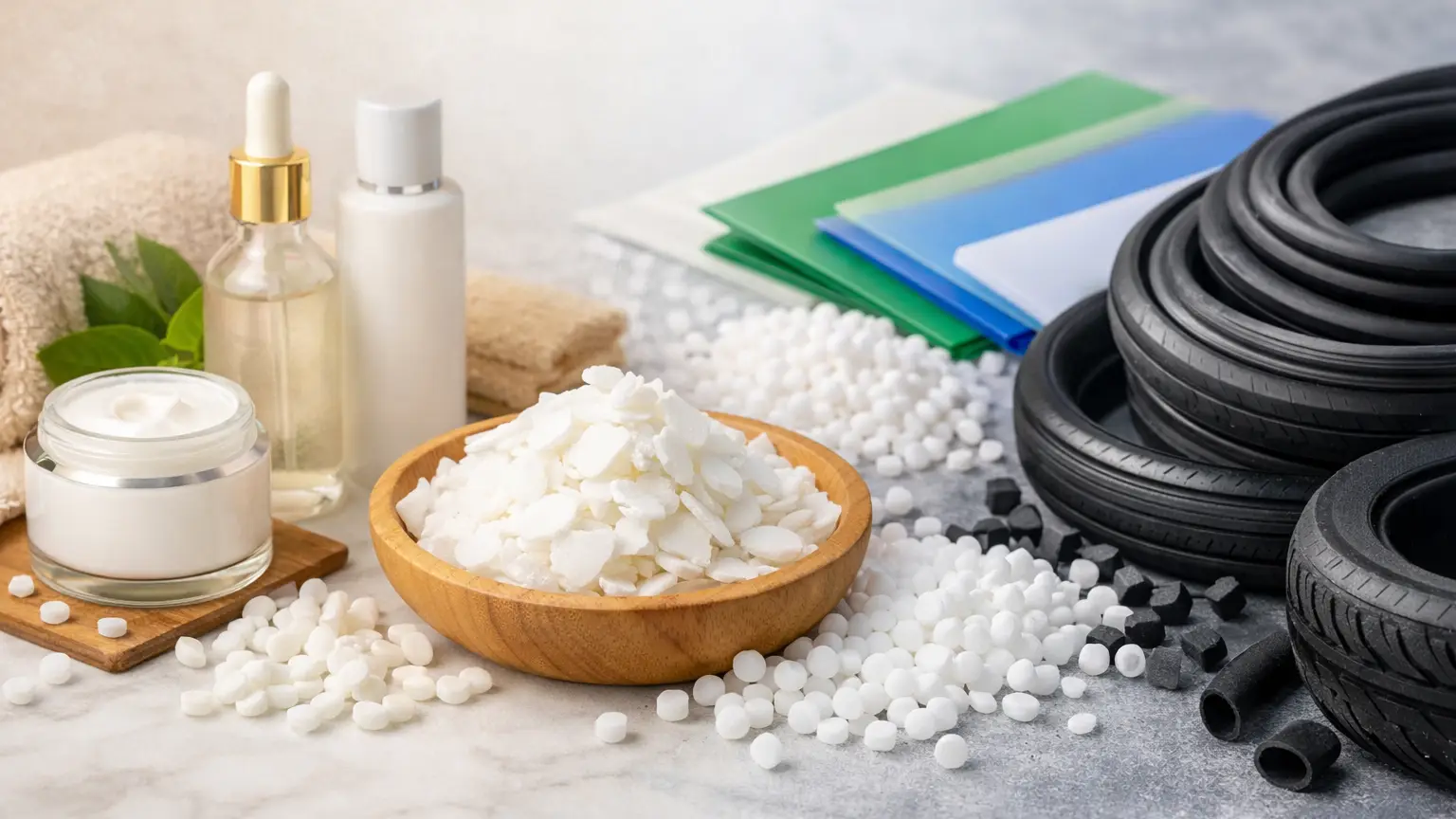
Stearic Acid (octadecanoic acid) is a long-chain fatty acid that appears as a waxy solid at room temperature. Its chemical structure grants it a unique set of physical and chemical properties—excellent lubricity, emulsifying capability, and stability—that make it a workhorse ingredient. Traditionally, its primary function was as a release agent, softener, and activator in the rubber and plastics industries. However, its role has dramatically expanded. In cosmetics, it is a fundamental building block for emulsions, providing texture and stability to creams and lotions. In plastics, it acts as an internal and external lubricant, facilitating processing and improving product finish.
The source of Stearic Acid has become a major point of differentiation. While tallow (animal)-derived grades have been historically prevalent, there is a powerful and growing demand for vegetable-based (typically palm or coconut) Stearic Acid, especially in consumer-facing industries like cosmetics and food packaging. This shift is not merely philosophical; it impacts product labeling, brand positioning, and compliance with various certification standards. The versatility of Stearic Acid means that its demand is not tied to a single industry's fortune, but its application profile within each industry is undergoing a profound change, which in turn affects the specifications and volumes required by the market.
The Cosmetics & Personal Care Revolution
The US cosmetics and personal care industry is leading the charge in redefining Stearic Acid demand. The driving force is the powerful "clean beauty" and conscious consumerism movement. Consumers are increasingly scrutinizing ingredient lists, demanding transparency, and showing a strong preference for plant-derived, vegan, and cruelty-free formulations. This has catalyzed a massive shift from animal-derived (tallow) Stearic Acid to vegetable-derived alternatives, primarily sourced from sustainable palm or coconut oil. For brands, using a cosmetic grade stearic acid from a non-animal origin is no longer a niche choice but a market expectation for a growing segment of products.
Beyond sourcing, functionality remains paramount. Stearic Acid serves as a primary emulsifier in creams and lotions, creating stable mixtures of oil and water. It also contributes to the viscosity, texture, and "skin feel" of the final product—a critical factor in consumer satisfaction. The trend towards solid cosmetics (shampoo bars, solid lotions, deodorant sticks) further leverages the hardening and texturizing properties of Stearic Acid. Consequently, suppliers must provide highly consistent, pure, and specifically graded Stearic Acid that meets the stringent safety and purity standards of the personal care industry, such as those outlined by the Personal Care Products Council (PCPC).
Plastics Manufacturing: Seeking Performance and Sustainability
In the US plastics industry, Stearic Acid demand is being reshaped by two interconnected trends: the relentless pursuit of production efficiency and the growing imperative for sustainability. As a plastic lubricant and acid scavenger, it plays a vital role in polymer processing. It reduces friction during extrusion and molding, preventing equipment from sticking and allowing for higher production speeds and lower energy consumption. It also neutralizes residual catalysts that can degrade plastic over time, enhancing the stability and longevity of the final product, such as PVC pipes, films, and profiles.
The sustainability angle is gaining remarkable traction. While fossil-based plastics face scrutiny, additives are also under the microscope. There is rising interest in bio-based and "less harmful" additive packages. Stearic Acid, being derivable from renewable plant sources, fits into this narrative. Furthermore, in the realm of biodegradable and compostable plastics (like PLA), Stearic Acid can act as a processing aid and release agent that does not interfere with the material's end-of-life composting profile. This dual role—enhancing performance while aligning with environmental goals—is making specific grades of Stearic Acid increasingly valuable to forward-thinking plastics compounders and manufacturers.
Rubber Industry: A Pillar of Stability and Innovation
The rubber industry remains a cornerstone of Stearic Acid consumption in the USA, particularly for tire manufacturing and industrial rubber goods. Here, the demand shift is less about raw material sourcing and more about precision, consistency, and supporting new formulations. Stearic Acid acts as a critical rubber processing aid and activator. It facilitates the dispersion of fillers (like carbon black and silica) throughout the rubber compound, ensures smooth processing during mixing and extrusion, and acts as a catalyst for the vulcanization process, which gives rubber its elastic properties.
Innovation in rubber, especially for the automotive sector focused on fuel efficiency, requires advanced materials. The integration of higher levels of silica to reduce rolling resistance in "green tires" places new demands on the compounding process. Stearic Acid's role in ensuring proper silica dispersion and preventing re-agglomeration is more critical than ever. Therefore, the demand is shifting towards ultra-consistent, high-purity grades of Stearic Acid that deliver predictable performance batch after batch. Any variation can affect cure rates, processing behavior, and ultimately, the safety-critical performance of the final rubber product.
Sourcing Quality: The Critical Role of a Reliable Supplier
Navigating the shifting demand for Stearic Acid requires more than just placing an order; it requires a strategic partnership with a knowledgeable supplier. The variations in grade, source (vegetable vs. animal), purity (stearic content vs. palmitic), and physical form (flake, powder, bead) are vast. A premium stearic acid supplier like Chemtradeasia does not merely act as a logistics provider but as a technical resource. They understand that the cosmetic grade stearic acid required for a luxury face cream has vastly different specifications from the rubber processing aid needed for a high-performance tire or the plastic lubricant used in PVC pipe production.
The benefits of partnering with an established chemical distributor are multifaceted. First, it ensures a consistent and reliable supply chain, mitigating the risks of production downtime. Second, it provides access to technical data sheets, certificates of analysis, and origin documentation (crucial for vegetable-based and sustainable claims). Third, a supplier with deep market intelligence can advise on trends, such as the growing preference for triple-pressed vegetable stearic acid in cosmetics or specific iodine value specifications for rubber. For businesses across cosmetics, plastics, and rubber, the choice of supplier directly impacts product quality, regulatory compliance, and operational efficiency.
Specifically, services offered by leading distributors include providing detailed specifications like melting point (typically 55-70°C), iodine value (indicating unsaturation), and acid value. They can guide customers on the use cases: for instance, a higher stearic content grade is often preferred for harder soaps and stronger emulsions, while a balanced stearic/palmitic blend might be chosen for specific rubber activation profiles. This level of product expertise is what separates a transactional vendor from a true supply chain partner in the complex market for Stearic Acid.
Conclusion
The demand for Stearic Acid in the United States is not declining; it is diversifying and becoming more sophisticated. Each of its major end-use industries—cosmetics, plastics, and rubber—is pulling the market in distinct directions based on unique internal drivers. The cosmetics sector prioritizes plant-based origins and ultra-pure grades for "clean" labeling. The plastics industry values it as a performance enhancer that can also support sustainability narratives. The rubber sector relies on its unwavering consistency to enable next-generation, high-performance formulations.
For businesses that depend on this essential fatty acid, success lies in understanding these nuanced shifts and aligning with a supply partner capable of meeting the new demands. A trusted supplier provides more than just the chemical; it offers the assurance of quality, the documentation for compliance, and the expertise to select the perfect grade for the application. As these industrial trends continue to evolve, Stearic Acid will undoubtedly maintain its critical role, and those who source it strategically will be best positioned to thrive in their respective markets.