
Introduction Soya Lecithin
Asia has become a pivotal hub in the global trade of soya lecithin, driven by fast-growing food, feed, pharmaceutical, and industrial sectors. As consumption of processed foods, functional ingredients, and nutritionally optimized animal feed rises, the need for a robust and transparent chemical and feed ingredients supply chain is greater than ever. Within this landscape, soya lecithin stands out as a versatile emulsifier and functional ingredient that connects agricultural production, chemical processing, and downstream manufacturing.
Across major Asian economies such as China, India, Indonesia, Vietnam, Thailand, and Malaysia, demand for lecithin is expanding at an estimated mid-single to high-single digit compound annual growth rate, supported by urbanization, rising incomes, and evolving dietary patterns. This demand growth places new pressures on sourcing, logistics, quality assurance, and regulatory compliance. Companies operating in this space must navigate fluctuating soybean prices, changing trade policies, and increasingly stringent safety and labeling requirements.
In this article, we examine how the soya lecithin supply chain functions in Asia, from upstream soybean crushing to downstream distribution into food, feed, and industrial applications. Particular attention is given to the role of integrated trading and distribution platforms such as chemtradeasia, which help manufacturers and formulators secure reliable access to lecithin and related feed and chemical ingredients across multiple Asian markets.
Understanding Soya Lecithin in the Asian Context
Soya lecithin is a mixture of phospholipids obtained as a by-product of soybean oil refining. It is valued for its emulsifying, wetting, dispersing, and stabilizing properties, making it a critical component in chocolate, bakery products, margarine, instant powders, animal feed premixes, and various industrial formulations. In Asia, where soybean processing capacity has expanded rapidly over the last two decades, lecithin production is closely linked to the broader edible oil and protein meal industries.
From a product specification standpoint, soya lecithin is typically available in three main forms: liquid lecithin, de-oiled lecithin powder or granules, and modified or fractionated lecithin. Liquid grades usually contain around 60–70% phospholipids with the balance being soybean oil, while de-oiled grades can reach phospholipid contents of 95% or more. Asian buyers often specify parameters such as acid value, peroxide value, hexane residue, color (Gardner scale), and microbiological limits, in line with international standards like FCC and EU regulations and local food safety laws.
Asia’s lecithin market is also shaped by cultural and regulatory factors. For example, demand for non-GMO lecithin is higher in export-oriented segments supplying to Europe and North America, while domestic Asian markets may prioritize cost-effectiveness and functional performance. Halal and Kosher certifications are especially relevant in Southeast Asia and parts of South Asia, influencing procurement decisions for food and feed manufacturers. These factors make it essential for supply chain partners to offer traceability, documentation, and flexible sourcing options.
Supply Chain Structure for Soya Lecithin in Asia
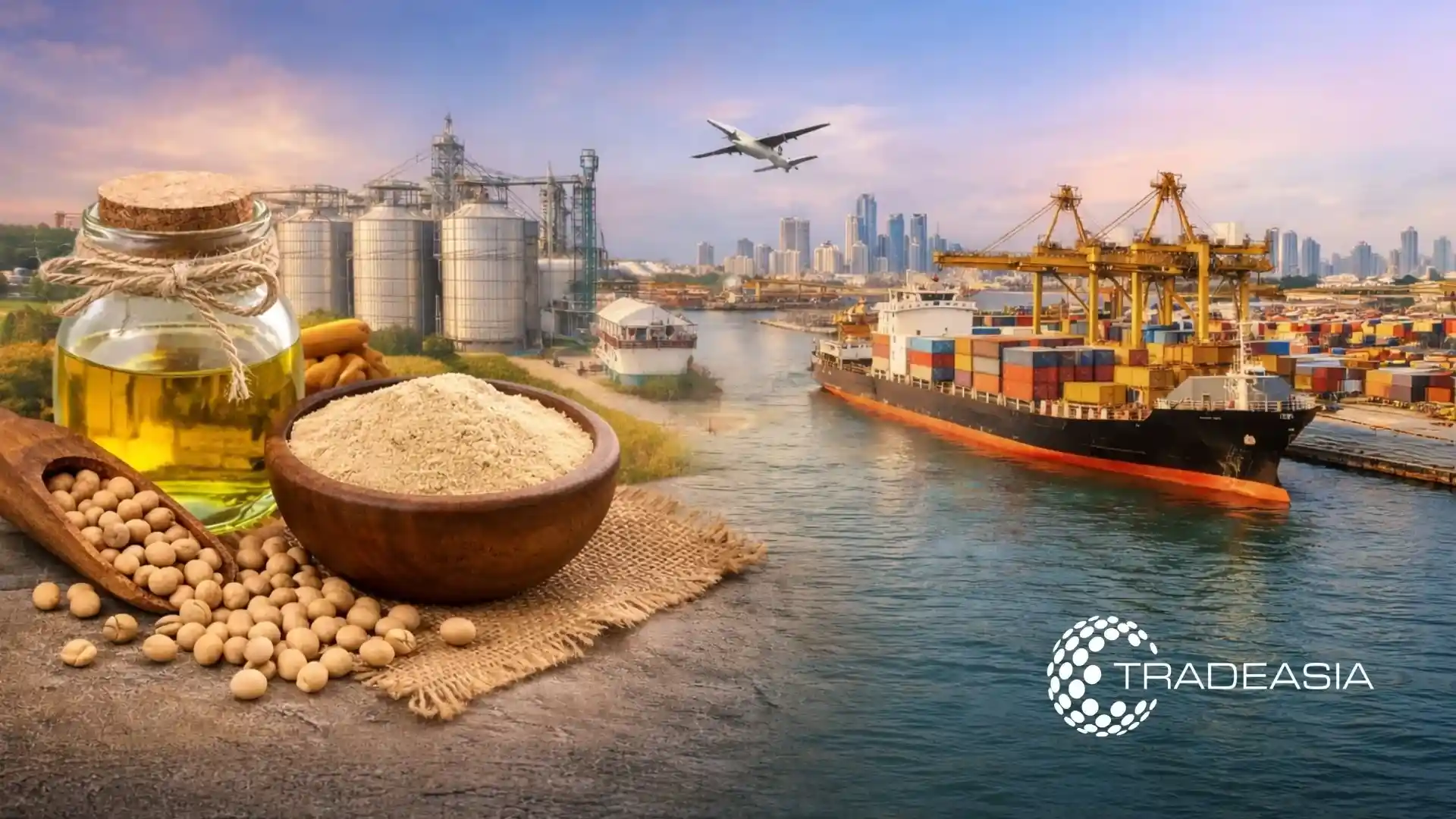
The soya lecithin supply chain in Asia begins with soybean cultivation and importation. While countries like India and China grow soybeans domestically, a substantial share of the region’s soy supply is imported from Brazil, the United States, and Argentina. Soybeans are processed in crushing facilities that separate oil, meal, and by-products. During the degumming step of soybean oil refining, crude lecithin is separated, then further processed and standardized into commercial lecithin products.
Once produced, lecithin typically moves through a network of traders, distributors, and logistics providers before reaching end users. Bulk liquid lecithin is transported in flexitanks, ISO tanks, or drums, while de-oiled powders are shipped in multi-layer bags or big bags. Storage and handling conditions are crucial: lecithin is sensitive to oxidation and moisture, so controlled temperature, protection from light, and adherence to recommended shelf-life are essential. In Asia’s tropical climates, this requires careful planning of warehousing and transport to maintain product integrity.
Regulatory compliance and documentation add an additional layer of complexity. Each Asian market has its own registration, labeling, and import requirements for food additives and feed ingredients. For example, China’s GB standards, India’s FSSAI regulations, Indonesia’s BPOM and halal rules, and ASEAN guidelines all influence how lecithin can be marketed and used. A well-structured supply chain therefore depends on partners who can manage customs clearance, provide certificates of analysis, MSDS/SDS, non-GMO declarations where needed, and religious certifications, while ensuring timely delivery and competitive pricing.
Key Benefits and Applications of Soya Lecithin
The benefits of soya lecithin span multiple industries across Asia, making it a strategic ingredient for manufacturers. In the food sector, lecithin is widely used as an emulsifier in chocolate and confectionery to reduce viscosity, improve mouthfeel, and stabilize cocoa butter. In bakery products, it enhances dough machinability, improves crumb structure, and extends shelf life by retarding staling. It is also used in margarine, spreads, instant drink powders, and nutritional supplements, where its dispersing and wetting properties are critical.
In animal nutrition, lecithin is added to poultry, swine, and aquaculture feeds as an energy source and natural emulsifier. It improves fat digestibility and nutrient absorption, supporting better feed conversion ratios and animal performance. Asia’s growing aquaculture industries in countries like Vietnam, Indonesia, and India have contributed to increased demand for lecithin-based feed ingredients, particularly in starter feeds and specialty diets where digestibility and stability are key.
Beyond food and feed, soya lecithin serves as a functional additive in pharmaceuticals, cosmetics, and industrial applications. It is used in softgel capsules, liposomal formulations, and topical products as an emulsifier and bioavailability enhancer. In industrial sectors, lecithin can act as a dispersant in paints, inks, and agrochemical formulations. For many of these applications, Asian manufacturers seek consistent quality, customized specifications, and reliable supply, underscoring the importance of an efficient and resilient lecithin supply chain supported by experienced distributors such as chemtradeasia.
Role of chemtradeasia in the Regional Lecithin Supply Chain
chemtradeasia operates as a multi-channel trading and distribution platform for chemicals and feed ingredients across Asia and beyond, playing a significant role in the regional soya lecithin supply chain. By connecting manufacturers of lecithin in key producing countries with users in food, feed, and industrial sectors, chemtradeasia helps bridge gaps in sourcing, logistics, and regulatory compliance. Its network spans major Asian hubs, enabling customers to access multiple origin options, including standard and specialty lecithin grades.
From a product perspective, chemtradeasia typically offers a range of lecithin specifications, including liquid soya lecithin, de-oiled lecithin powders, and tailor-made grades for chocolate, bakery, feed, and industrial uses. Buyers can request documentation such as certificates of analysis, MSDS/SDS, halal and Kosher certificates where available, and detailed product data sheets. This documentation support is particularly important for companies operating in highly regulated segments or exporting finished products to markets with strict compliance requirements.
On the logistics side, chemtradeasia leverages its experience in handling bulk and packed chemicals to optimize transport modes, shipment sizes, and inventory strategies. For example, regional stocking points and just-in-time deliveries can help Asian manufacturers reduce working capital tied up in inventory while minimizing the risk of stockouts. By integrating sourcing, quality control, and distribution, chemtradeasia provides a single point of contact for lecithin procurement, which can simplify supply chain management for both large multinationals and small to medium-sized enterprises throughout Asia.
Conclusion
The soya lecithin supply chain in Asia is evolving rapidly in response to growing demand from food, feed, pharmaceutical, and industrial users. As soybean processing capacity expands and downstream markets become more sophisticated, the importance of reliable sourcing, robust quality assurance, and efficient logistics continues to increase. Companies that understand the full value chain, from soybean origination through oil refining and lecithin processing to final application, are better positioned to manage costs, maintain quality, and respond to changing customer requirements.
Within this dynamic environment, integrated trading and distribution partners such as chemtradeasia provide critical support. By offering a portfolio of lecithin grades, documentation and certification services, and regionally optimized logistics solutions, they help manufacturers and formulators across Asia secure the ingredients they need with greater transparency and predictability. As regulatory frameworks tighten and sustainability expectations grow, collaboration between producers, distributors, and end users will be essential to building a resilient and responsible lecithin supply chain. For detailed product specifications, documentation, or regional supply support, please contact our team at Chemtradeasia to discuss your specific soya lecithin requirements.
This article is intended solely for informational and market insight purposes and does not constitute technical, safety, regulatory, or professional advice. Users should independently verify all information with qualified experts, consult official documentation such as MSDS/SDS and applicable regulations, and contact relevant specialists or our team for guidance on specific products, formulations, or applications before making operational or purchasing decisions.