Introduction
The palm oil market in America represents a complex and vital segment of the global agribusiness and food ingredients industry. As the world's most produced and traded vegetable oil, palm oil's versatility, cost-effectiveness, and high yield per hectare have cemented its role in countless products on U.S. shelves. From packaged foods and personal care items to biofuels and industrial lubricants, its derivatives are ubiquitous. This article provides a comprehensive analysis of the American palm oil market, examining current trends, demand drivers, regulatory landscapes, and the critical balance between economic utility and growing sustainability concerns.
For businesses operating within this sphere, understanding the nuances of product specifications, supply chain logistics, and evolving consumer sentiment is paramount. The market is not monolithic; it is segmented into various refined, fractionated, and specialty products, each serving distinct industrial applications. This analysis will delve into these key product categories, such as RBD Palm Oil and Palm Kernel Oil, to provide clarity for procurement specialists, product developers, and industry stakeholders seeking to navigate this essential yet often controversial commodity.
The American Palm Oil Market Landscape
The United States is a significant importer and consumer of palm oil, though its usage patterns differ from those in Asia and Europe. According to data from the United States Department of Agriculture (USDA), U.S. imports of palm oil have remained relatively stable in recent years, typically ranging between 1 to 1.5 million metric tons annually. The market is characterized by its concentration in specific industrial sectors, with the food industry being the dominant consumer, followed by the bioenergy and oleochemical sectors. A key trend is the increasing scrutiny from consumers, NGOs, and policymakers regarding the environmental and social impacts of palm oil production, which is reshaping procurement policies.
Geopolitical factors and trade policies also significantly influence the American market. The majority of palm oil imports originate from Indonesia and Malaysia, making the U.S. market sensitive to export duties, production forecasts, and political stability in Southeast Asia. Furthermore, legislative actions, such as the U.S. Renewable Fuel Standard (RFS) which incentivizes biofuel production, can create competing demand streams that impact prices and availability for food applications. This creates a dynamic pricing environment where businesses must stay informed about global crop reports, currency fluctuations, and policy shifts to manage costs effectively.
Another defining aspect of the landscape is the rise of niche segments demanding certified sustainable palm oil (CSPO). While not yet mandated by law, pressure from large consumer brands and retail chains has spurred growth in the CSPO market. Organizations like the Roundtable on Sustainable Palm Oil (RSPO) have gained traction, with many multinational corporations committing to 100% RSPO-certified supply chains. This has led to a dual market structure where conventional and certified palm oil often trade at different price points, requiring buyers to make strategic decisions based on their brand positioning and customer expectations.
Key Palm Oil Products and Their Specifications
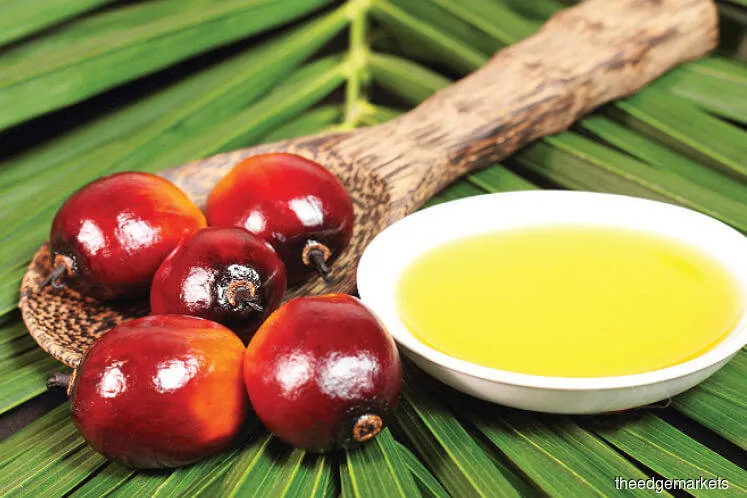
Palm oil is not a single product but a family of oils with different properties derived from the fruit of the oil palm tree. The two primary streams are Crude Palm Oil (CPO), extracted from the mesocarp (fruit flesh), and Crude Palm Kernel Oil (CPKO), extracted from the kernel. In the American market, refined products are far more common due to stringent food safety and quality standards. The most widely traded product is RBD Palm Oil – Refined, Bleached, and Deodorized. This process removes impurities, free fatty acids, and odors, resulting in a neutral, stable oil ideal for food processing. Its specifications typically include a low Free Fatty Acid (FFA) content (under 0.1%), a clear appearance, and a high smoke point.
Palm Kernel Oil and its derivatives represent another crucial product category. Chemically distinct from palm oil, it is richer in lauric acid, making it solid at room temperature and giving it properties similar to coconut oil. It is often further processed into Palm Kernel Stearin (the solid fraction) and Palm Kernel Olein (the liquid fraction). These fractions have specific melting points and are prized in the confectionery industry (for coatings and fillings) and for producing specialty fats. Another vital product is Palm Olein, the liquid fraction of RBD Palm Oil, which is the primary oil used for frying in the food service industry due to its stability and resistance to oxidation.
For industrial and oleochemical applications, the specifications shift focus. Here, products like Palm Fatty Acid Distillate (PFAD), a by-product of the refining process, become important. PFAD is used in animal feed, soap manufacturing, and as a biofuel feedstock. Understanding these specifications—such as iodine value, slip melting point, fatty acid composition, and contaminant levels—is critical for buyers. A reputable supplier like chemtradeasia.com provides detailed technical data sheets for each product, ensuring that manufacturers can select the exact grade required for their application, whether it's creating a creamy chocolate, a long-lasting lipstick, or an effective surfactant.
Primary Applications and Industrial Uses
The application diversity of palm oil products is a key driver of their demand in America. In the food industry, RBD Palm Oil and Palm Olein are workhorses. Their semi-solid texture at room temperature (without the need for hydrogenation, which creates trans fats) makes them ideal for creating the desired mouthfeel in products like margarine, shortening, and bakery fats. They provide flakiness to pastries and stability to peanut butter, preventing oil separation. In snack food manufacturing, palm olein's stability under high-temperature frying extends the shelf life of potato chips and instant noodles, making it a cost-effective choice for large-scale production.
Beyond the kitchen, palm oil derivatives are foundational to the personal care and cosmetics industry. Palm Kernel Oil and its derivatives are transformed into surfactants like sodium lauryl sulfate (SLS) and sodium laureth sulfate (SLES), which create lather in shampoos, shower gels, and toothpastes. The oil's emollient properties also make it a valuable ingredient in creams, lotions, and soaps, providing moisturization and a stable formulation. In the oleochemical sector, these oils are the feedstock for producing fatty alcohols, glycerine, and esters, which are then used in manufacturing detergents, lubricants, plastics, and candles.
The industrial and energy sectors present growing applications. Palm oil and its by-products like PFAD are used as renewable feedstock for biodiesel production, supported by various government incentives. In more specialized industrial contexts, palm oil-based lubricants are used in marine and mining applications due to their biodegradability. The non-food uses highlight the commodity's role in the bioeconomy, creating a complex demand web where a shortage or price spike in one sector, such as biofuels driven by policy, can directly impact availability and cost for food manufacturers.
Sustainability and Certification Challenges
Sustainability is the most significant challenge and transformative force in the modern palm oil industry. The link between palm oil expansion and deforestation, habitat loss for endangered species like orangutans, and greenhouse gas emissions has led to intense criticism. In response, certification schemes, primarily led by the Roundtable on Sustainable Palm Oil (RSPO), have been established to set standards for environmentally and socially responsible production. For the American market, this has translated into corporate sustainability commitments from major end-users, who now demand traceable, certified sustainable palm oil (CSPO) in their supply chains.
However, the journey towards fully sustainable palm oil is fraught with challenges. The cost differential between conventional and CSPO can be a barrier, especially for price-sensitive industries. Furthermore, the complexity of supply chains, involving multiple mills and smallholder farmers, makes full traceability to the plantation level difficult and expensive to achieve. There is also an ongoing debate about the effectiveness and rigor of different certification standards, with some NGOs advocating for stricter criteria. This environment requires buyers to conduct thorough due diligence, often going beyond certification to engage directly with suppliers on their environmental, social, and governance (ESG) practices.
The market response has been innovation in sourcing models. Concepts like "Mass Balance" and "Book and Claim" allow for the financing of sustainable production even when the physical oil isn't segregated, making certification more accessible. Meanwhile, technology such as satellite monitoring (e.g., Global Forest Watch) is being used by progressive companies to monitor land use in their supply chains in near real-time. For American importers and manufacturers, partnering with suppliers who are transparent about their sourcing, actively participate in certification, and invest in smallholder support programs is becoming a critical component of risk management and brand protection.
Sourcing and Supply Chain Considerations
Effective sourcing of palm oil in the American market requires a strategic approach that balances cost, quality, reliability, and sustainability. The supply chain is long and global, originating in Southeast Asian plantations, moving to crushing mills and refineries (which may be located in the origin country or in destination markets like the U.S.), and finally to distributors and end-users. Disruptions can occur at any point—from weather events affecting harvests to port congestion and changing import regulations. Therefore, building relationships with reliable and transparent suppliers or traders is crucial for ensuring consistent supply.
Quality assurance is non-negotiable, particularly for food-grade products. Reputable suppliers provide comprehensive documentation, including Certificates of Analysis (CoA), which verify that the product meets all specified parameters for FFA, moisture, impurities, and contaminants like 3-MCPD and GE, which are regulated in foodstuffs. For manufacturers with specific needs, some suppliers offer technical support and can provide customized blends or fractions. A platform like chemtradeasia.com exemplifies a B2B sourcing model that connects buyers with a vetted network of suppliers, offering a range of products from different origins with clear specifications, which simplifies the procurement process for American businesses.
Logistics and incoterms are another vital consideration. Palm oil is typically shipped in bulk vessels, flexitanks, or in drums. Understanding the costs and responsibilities defined by incoterms (e.g., FOB, CIF) is essential for accurate landed cost calculation. Furthermore, given the commodity's semi-solid nature, maintaining the correct temperature during transit and storage is critical to preserve quality. A sophisticated sourcing strategy will often involve diversifying suppliers, considering forward contracts to hedge against price volatility, and thoroughly evaluating a partner's commitment to sustainable and ethical practices as an integral part of the supply chain audit.
Conclusion
The American palm oil market is at a crossroads, driven by unwavering industrial demand and accelerating pressure for sustainable transformation. For businesses, success hinges on a deep understanding of the product spectrum—from versatile RBD Palm Oil to specialized Palm Kernel Stearin—and their precise applications. Navigating this market requires vigilance toward global trends, regulatory changes, and supply chain dynamics. The future will likely see increased segmentation, with a growing premium market for fully traceable, deforestation-free palm oil coexisting with conventional supply, pushing innovation in both agronomy and sourcing transparency.
Ultimately, informed decision-making is the key to leveraging the functional and economic benefits of palm oil while managing associated risks. By prioritizing partnerships with transparent suppliers, demanding robust certification and documentation, and staying abreast of technological solutions for supply chain monitoring, American companies can responsibly integrate this essential commodity into their operations. The evolution of the market presents not just challenges but also opportunities for leaders to differentiate their brands through responsible sourcing practices.
Disclaimer: This article is for informational and market insight purposes only. It is not intended as technical, safety, or professional advice. The data and trends discussed are based on general market analysis and may not apply to specific situations. We strongly advise readers to independently verify all information with qualified experts, consult official product documentation such as Material Safety Data Sheets (MSDS/SDS) for handling and safety guidelines, and contact our technical team or relevant professionals for guidance on specific applications and compliance requirements.
Leave a Comment