Water treatment is one of the most consistent sources of industrial chemical demand in the world, and polyaluminium chloride sits at the center of it. Used by municipal utilities, paper manufacturers, and industrial wastewater operators across every major region, PAC is a commodity whose price tells a broader story about energy costs, regulatory pressures, and the shifting dynamics of global chemical trade.
In 2026, the gap between Asian, European, and American PAC price benchmarks is wider than it has been in recent years. Understanding what is driving that gap, and what it means for procurement strategy, is increasingly important for buyers operating across multiple markets.
The Structural Forces Behind Regional PAC Price Differences
The price of polyaluminium chloride does not move uniformly around the world. Asia produces it cheaply and at massive scale. Europe pays more to make it, partly due to energy costs and partly due to stricter environmental standards. The United States sits somewhere in between, benefiting from affordable domestic natural gas but facing its own regulatory and logistics costs. These are not temporary gaps driven by short-term market conditions. They are structural, and procurement teams that understand them are better positioned to make smarter sourcing decisions.
What Polyaluminium Chloride Is and Where It Is Used
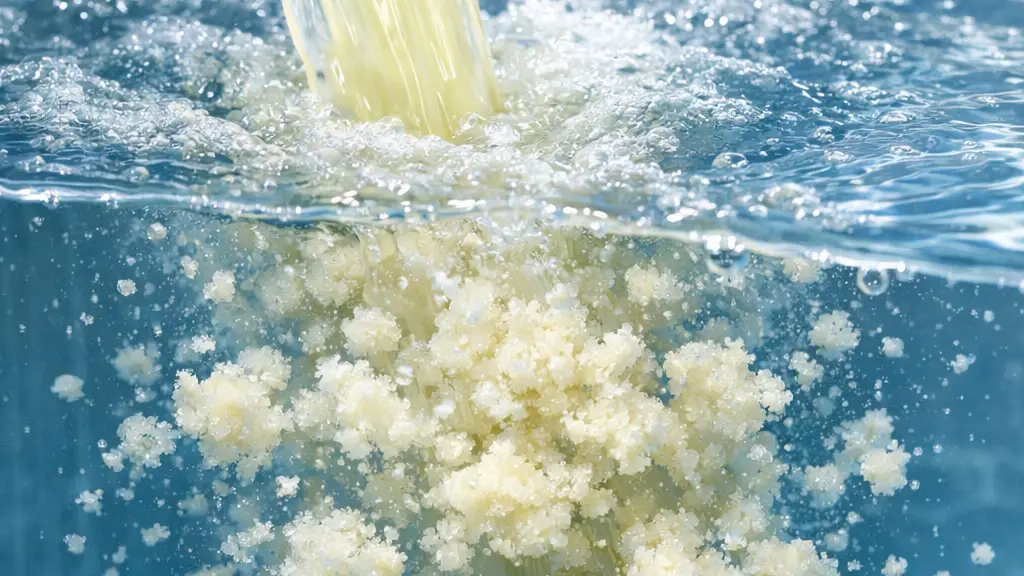
Polyaluminium chloride, commonly known as PAC, is an inorganic polymer coagulant used primarily to clean and purify water. It comes in liquid or powder form and works by causing suspended particles in water to clump together into larger clusters that can be easily removed through filtration or sedimentation. PAC is widely preferred over older alternatives like aluminum sulfate because it produces less sludge and works across a wider range of water conditions. Beyond drinking water treatment, it is used in paper manufacturing as a retention aid and in industrial wastewater treatment across textile, chemical, and food processing facilities. Chemtradeasia supports buyers across these industries with reliable PAC sourcing and technical guidance.
Raw Material and Energy Costs as the Primary Price Driver
The price of PAC is directly tied to the cost of its two main inputs: aluminum hydroxide and hydrochloric acid. In 2024, alumina spot prices in certain regions climbed by 35% following supply disruptions in Guinea, immediately pushing up manufacturing costs for producers globally. Energy is the other major variable, as production requires significant amounts of natural gas for both chemical synthesis and steam generation. Energy costs can account for up to 50% of natural gas consumption in chemical plants, meaning that regional gas price movements flow through to the PAC price index quickly and directly. Buyers who monitor energy market trends alongside PAC prices tend to be better prepared for cost changes before they arrive.
How Regulations Shape Product Specifications and Costs
Environmental regulations do not just influence where PAC is used. They influence what kind of PAC is required and how much it costs to produce. In Europe, the updated Urban Wastewater Treatment Directive mandates stricter nutrient removal, pushing utilities toward higher performance PAC grades. In the United States, the Lead and Copper Rule is driving demand for more precisely dosed coagulant systems. Both markets increasingly require high basicity PAC, where basicity refers to the proportion of hydroxyl groups in the polymer structure, with high basicity products often exceeding 60%. These grades are more effective at capturing emerging contaminants including microplastics but carry a price premium over standard industrial grades sold in less regulated markets.
China's Role as the Global Benchmark Setter
China is the world's largest producer and exporter of PAC, accounting for over 40% of total global consumption. Its manufacturing cost advantages, driven by economies of scale and direct access to bauxite and alumina supply, allow Chinese producers to set export prices that frequently serve as the international floor for global benchmarks. During the fourth quarter of 2025, the average PAC price in China was recorded at approximately USD 239.33 per metric tonne, a figure that significantly undercuts Western production costs. Domestic demand in China is supported by the 14th Five Year Plan's strict industrial wastewater standards, but export pricing remains highly competitive. Chemtradeasia helps buyers access Asian supply efficiently and cost-effectively.
Trade Policies and Their Effect on Western Prices
Trade policy is one of the most disruptive forces in the global PAC market. The United States maintains high effective tariff rates on a range of Chinese chemical imports, which has supported domestic production but also raised costs for water treatment utilities that rely on competitive pricing. There are growing concerns in Europe that Chinese PAC volumes redirected away from the US market due to tariffs could begin to undercut local manufacturers. A further variable is China's 13% VAT export rebate, where any reduction or cancellation of this rebate would push Chinese export prices higher and ripple through global benchmarks. "Understanding these shifting trade barriers is essential for any modern chemical procurement strategy," notes one commodity analyst familiar with the Asian export market.
Seasonal Demand Patterns and Price Timing
PAC demand follows predictable seasonal patterns that procurement teams can use to their advantage. Municipal water treatment plants, which account for roughly 70% of global PAC demand, tend to restock toward the end of the year in preparation for winter operations, tightening spot availability and supporting higher prices during that period. In India, monsoon season creates sudden spikes in coagulant demand during the third quarter as water contamination levels rise sharply. Industrial demand from paper and textile sectors provides a steadier baseline throughout the year, but the municipal sector remains the dominant force in setting seasonal price direction. Chemtradeasia can help buyers time their procurement around these patterns to capture more favorable pricing windows.
Infrastructure Investment as the Long-Term Demand Engine
Large-scale government investment in water infrastructure is emerging as one of the most significant demand drivers for PAC through 2026 and beyond. In the United States, the Bipartisan Infrastructure Law has committed over USD 50 billion to water infrastructure upgrades, the largest such investment in the country's history. India's Smart Cities initiative and China's industrial water reuse mandates are accelerating the construction of advanced treatment facilities that require high basicity PAC grades. As urbanization continues to outpace infrastructure capacity across Asia-Pacific, demand for clean water treatment chemicals is growing at rates well above the global average, reinforcing the region's position as the most dynamic pricing hub in the global PAC market.
How Prices Compare Across Asia, Europe, and the United States
The pricing gap between regions is significant and reflects the structural cost differences outlined throughout this article. In the fourth quarter of 2025, the average PAC price in the United States reached USD 352.33 per metric tonne, supported by steady municipal procurement activity and regulatory compliance requirements. During the same period, Chinese prices averaged approximately USD 239.33 per metric tonne, a gap of over USD 110 per tonne that reflects fundamental differences in energy costs, production scale, and regulatory overhead. "While Asian benchmarks remain the floor for global pricing, Western premiums are structurally enforced by energy gaps and logistics," notes one commodity analyst tracking the sector. European prices sit above Asian levels but vary more significantly depending on energy market conditions and the specific grade required. For current localized pricing across all three regions, Chemtradeasia provides buyers with up-to-date market intelligence and sourcing support.
What to Expect from PAC Pricing in Late 2026
The global PAC market is projected to reach approximately USD 2.14 billion in value through 2026, with the market expected to grow at a compound annual rate of between 4.2% and 7.3% through the end of the decade. Pricing is expected to stay firm across all regions as infrastructure projects in North America and Asia sustain high procurement volumes. Raw material volatility, particularly for bauxite and hydrochloric acid, remains the most significant near-term risk for producers and buyers alike. Buyers who rely on spot purchasing are more exposed to these price movements than those who have established longer-term supply arrangements. Reaching out to Chemtradeasia now to discuss supply agreements for 2026 is a practical step toward managing that exposure before seasonal demand peaks arrive.
Frequently Asked Questions (FAQ)
What is polyaluminium chloride used for? PAC is primarily used to purify drinking water and treat industrial wastewater. It is also widely used in paper manufacturing as a retention aid and in textile and chemical processing facilities.
Why are PAC prices lower in Asia than in Europe and the US? Asian producers, particularly in China, benefit from large-scale production capacity and direct access to raw materials like bauxite and alumina. Western prices are structurally higher due to energy costs, stricter environmental regulations, and logistics overhead.
What is the current price difference between China and the US? As of Q4 2025, Chinese PAC averaged approximately USD 239.33 per metric tonne compared to USD 352.33 in the United States, a gap of over USD 110 per tonne driven by fundamental production cost differences.
What causes PAC prices to move suddenly? The most common triggers are raw material price spikes, particularly for aluminium hydroxide and hydrochloric acid, energy cost increases, trade policy changes such as tariff adjustments, and seasonal demand peaks from municipal water treatment procurement.
When is the best time to buy PAC? Buying ahead of year-end municipal restocking periods and before monsoon season in South and Southeast Asia tends to offer more favorable pricing windows. Planning procurement early and locking in supply agreements helps avoid peak season price increases.
Where can I source reliable PAC supply across regions? Chemtradeasia connects buyers with verified PAC suppliers across Asia, Europe, and North America. Contact our team to discuss your volume requirements and regional sourcing options for 2026.
Leave a Comment