
Introduction
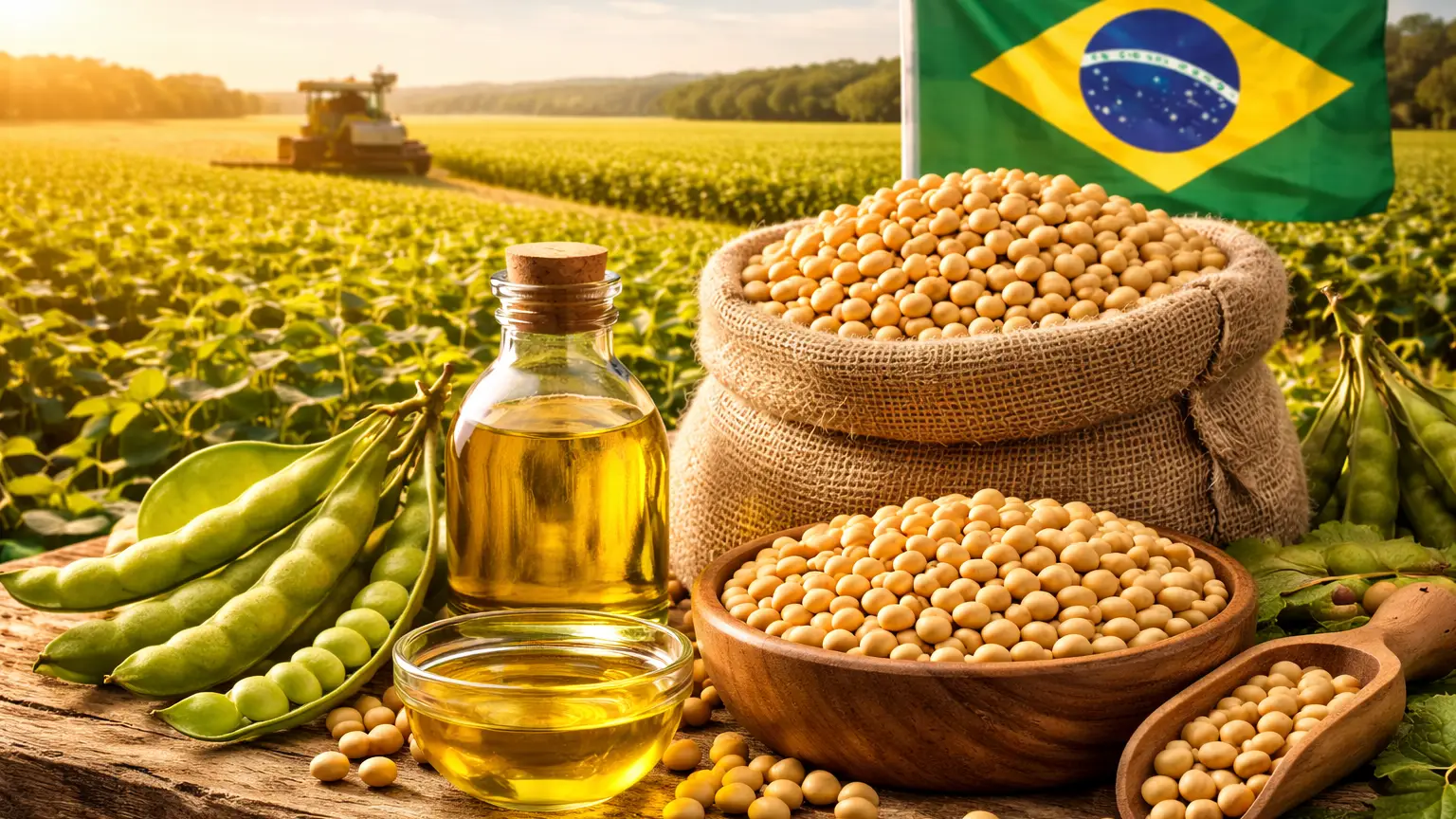
Brazil has become the world’s largest soybean producer and exporter, overtaking the United States in several recent crop years. Because soybean oil is a key edible oil and industrial feedstock, especially in Asia, fluctuations in Brazil’s harvest volumes and export flows can quickly ripple through global markets. For buyers and processors in America who are exposed to Asian pricing benchmarks or who source from Asia-based traders, understanding this linkage is critical for cost management and long-term planning.
Asian markets such as China, India, Indonesia, and Malaysia collectively account for a substantial share of global soybean and soybean oil imports. When Brazilian harvests are abundant, Asian crushers and refiners often secure more competitively priced beans and oil, which can soften regional prices. Conversely, weather-related crop losses, logistics bottlenecks, or policy changes in Brazil tend to tighten supply, lifting soybean oil prices across key Asian ports like Shanghai, Mumbai, and Jakarta.
Companies in America that purchase refined soybean oil, hydrogenated soybean oil, or soybean-based oleochemicals from Asian suppliers, including platforms such as oleochemicalsasia.com, are indirectly linked to Brazil’s harvest outcomes. By tracking production data, export trends, and quality parameters from Brazil, American buyers can better anticipate price moves, optimize contract timing, and select the right product specifications for food, feed, and industrial applications.
Global Soybean Dynamics: Brazil, Asia, and America
Brazil’s soybean production has expanded dramatically over the past two decades, driven by investments in agronomy, infrastructure, and port capacity. In recent seasons, Brazilian soybean harvests have ranged around 150–160 million metric tons, accounting for roughly one-third of global output. This scale gives Brazil significant influence over international pricing of both soybeans and derivative products such as soybean meal and soybean oil.
Asia is the primary destination for Brazilian soybeans. China alone typically imports more than 90 million metric tons of soybeans annually, much of it from Brazil, to crush into meal for animal feed and oil for food and industrial uses. Other Asian countries—including Vietnam, Thailand, Bangladesh, and Pakistan—also rely on Brazilian beans to support their crushing industries. As a result, the CIF (cost, insurance, and freight) prices at Asian ports are closely tied to FOB (free on board) price movements at Brazilian ports such as Santos and Paranaguá.
America is deeply integrated into this system, both as a producer and as a consumer. While the United States and Argentina are also major soybean exporters, American food companies, biodiesel producers, and oleochemical manufacturers monitor Asian price benchmarks to stay competitive. Many American buyers source refined soybean oil, blended vegetable oils, or downstream oleochemicals from Asia-based refineries and traders who use Brazil-origin beans. Platforms like oleochemicalsasia.com connect these Asian producers with global buyers, including those in America, making the Brazil–Asia price corridor directly relevant to U.S., Canadian, and Latin American procurement strategies.
How Brazil’s Harvest Translates into Asian Soybean Oil Prices
The most direct channel through which Brazil’s harvest affects Asian soybean oil prices is simple supply and demand. In a strong harvest year, when Brazilian output exceeds expectations, exportable surplus increases. This typically leads to lower FOB prices in Brazil as exporters compete for sales. Asian crushers, particularly in China and Southeast Asia, respond by stepping up purchases, often locking in forward contracts. The increased flow of competitively priced beans can ease the cost of producing soybean oil in Asia, pushing regional refined oil prices downward.
In contrast, adverse weather events—such as droughts in Mato Grosso or excessive rainfall in southern states—can reduce yields and delay harvests. When this occurs, Brazilian export volumes may fall short, or shipments may be delayed, causing spot prices to rise. Asian refiners then face higher raw material costs. Since soybean oil is often priced off international benchmarks such as CBOT soybean oil futures and regional cash market indicators, any tightening in Brazilian supply tends to be reflected in higher offers for refined soybean oil in Asia.
Logistics and policy factors in Brazil also play a critical role. Congestion at ports, trucker strikes, or changes in export tax regimes can temporarily disrupt flows, even in otherwise good crop years. These disruptions can create short-term spikes in CIF prices to Asia. For American buyers relying on Asia-based suppliers or trading platforms such as oleochemicalsasia.com, these price spikes may show up as higher quotations for refined soybean oil, high oleic soybean oil, or soybean-based oleochemical intermediates. Understanding that these moves are often tied to harvest and logistics dynamics in Brazil helps buyers decide whether to accept current prices, seek alternative origins, or delay purchases.
Product Focus: Soybean Oil and Oleochemicals from oleochemicalsasia.com
Asian refiners and oleochemical producers convert Brazil-origin and other origin soybeans into a wide range of products, many of which are marketed globally through digital platforms like oleochemicalsasia.com. For American buyers, these offerings typically include refined, bleached, and deodorized (RBD) soybean oil, degummed soybean oil, and specialized grades tailored for frying, baking, or industrial use. Typical specifications for RBD soybean oil include low free fatty acid (FFA) content (often under 0.1%), controlled moisture and impurities (usually below 0.1%), and standardized color parameters to meet food industry requirements.
Beyond edible oils, soybean-derived oleochemicals are increasingly important. From oleochemicalsasia.com, buyers may source fatty acid distillates, soybean-based fatty alcohols, and glycerin, which serve as building blocks in soaps, detergents, cosmetics, lubricants, and biodiesel. These products are often benchmarked against quality standards such as iodine value, saponification value, and purity levels. For example, soybean fatty acids might be specified with an iodine value in a particular range to ensure desired hardness and oxidative stability in finished products.
One important aspect for American importers is traceability and origin certification. Many products listed via oleochemicalsasia.com can be supplied with documentation on country of origin (e.g., Brazil-origin beans crushed in China or Malaysia), non-GMO declarations where applicable, and sustainability certifications such as RSPO (for palm blends) or local sustainability schemes. This transparency allows North and South American buyers to align procurement with corporate sustainability goals while still leveraging competitive Asian processing costs that are strongly influenced by Brazil’s harvest outcomes.
Benefits and Applications for American Buyers and Processors
American companies that purchase soybean oil or soybean-based oleochemicals from Asia benefit from a broad and flexible product portfolio. Through platforms like oleochemicalsasia.com, buyers can access multiple grades of refined soybean oil suitable for bottled retail oil, foodservice frying, margarine, mayonnaise, and snack manufacturing. The ability to choose between different specifications—such as varying degrees of hydrogenation, antioxidant packages, or blending with other vegetable oils—helps American food manufacturers optimize shelf life, flavor stability, and nutritional profiles.
In industrial and technical applications, soybean-based oleochemicals sourced from Asia provide American users with renewable and often more environmentally favorable alternatives to petrochemical-derived inputs. Fatty acids and fatty alcohols from soybean oil are used in surfactants, personal care formulations, metalworking fluids, and plastics. For example, a U.S. detergent producer might source mid-cut fatty alcohols derived from soybean oil via oleochemicalsasia.com to improve biodegradability and align with eco-label standards. These products’ performance characteristics—such as foaming behavior, solubility, and oxidative stability—are closely linked to the underlying soybean oil feedstock and refining processes.
From a commercial perspective, the key benefit for American buyers is the ability to arbitrage between regions and origins. When Brazil’s harvest is strong and Asian soybean oil prices soften, American importers may find that landed costs from Asia are competitive with domestic supplies, even after freight. Conversely, in years of tight Brazilian supply and elevated Asian prices, American buyers may pivot to U.S. or Argentine-origin oils. By monitoring market updates and product offers on oleochemicalsasia.com, procurement teams can compare quotes, lead times, and technical specifications in near real time, improving risk management in an environment where Brazil’s harvest plays a central role.
Conclusion
Brazil’s position as a dominant soybean producer means that its harvest outcomes exert a powerful influence on global soybean oil markets, particularly in Asia where demand for edible oils and oleochemicals continues to grow. Variations in Brazilian crop size, logistics performance, and export policies translate into shifts in Asian soybean oil prices that are closely watched by crushers, refiners, and industrial users. These price signals, in turn, affect contract structures, inventory strategies, and hedging decisions for companies across the value chain.
For American buyers and processors, the Brazil–Asia connection is more than a distant macroeconomic story. It directly shapes the cost and availability of critical inputs such as refined soybean oil, specialty frying oils, and soybean-derived oleochemicals. By leveraging platforms like oleochemicalsasia.com, U.S., Canadian, and Latin American companies can access a diversified supplier base, detailed product specifications, and timely market indications that reflect underlying conditions in Brazil. Integrating these insights into procurement planning helps organizations secure quality products, manage volatility, and align with technical and sustainability requirements.
This article is intended solely for informational and market insight purposes and does not constitute technical, safety, financial, or professional advice. Readers should independently verify all information with qualified experts, consult official documentation such as MSDS/SDS and regulatory standards, and contact their suppliers or our team through oleochemicalsasia.com for guidance on specific products, formulations, and applications.