
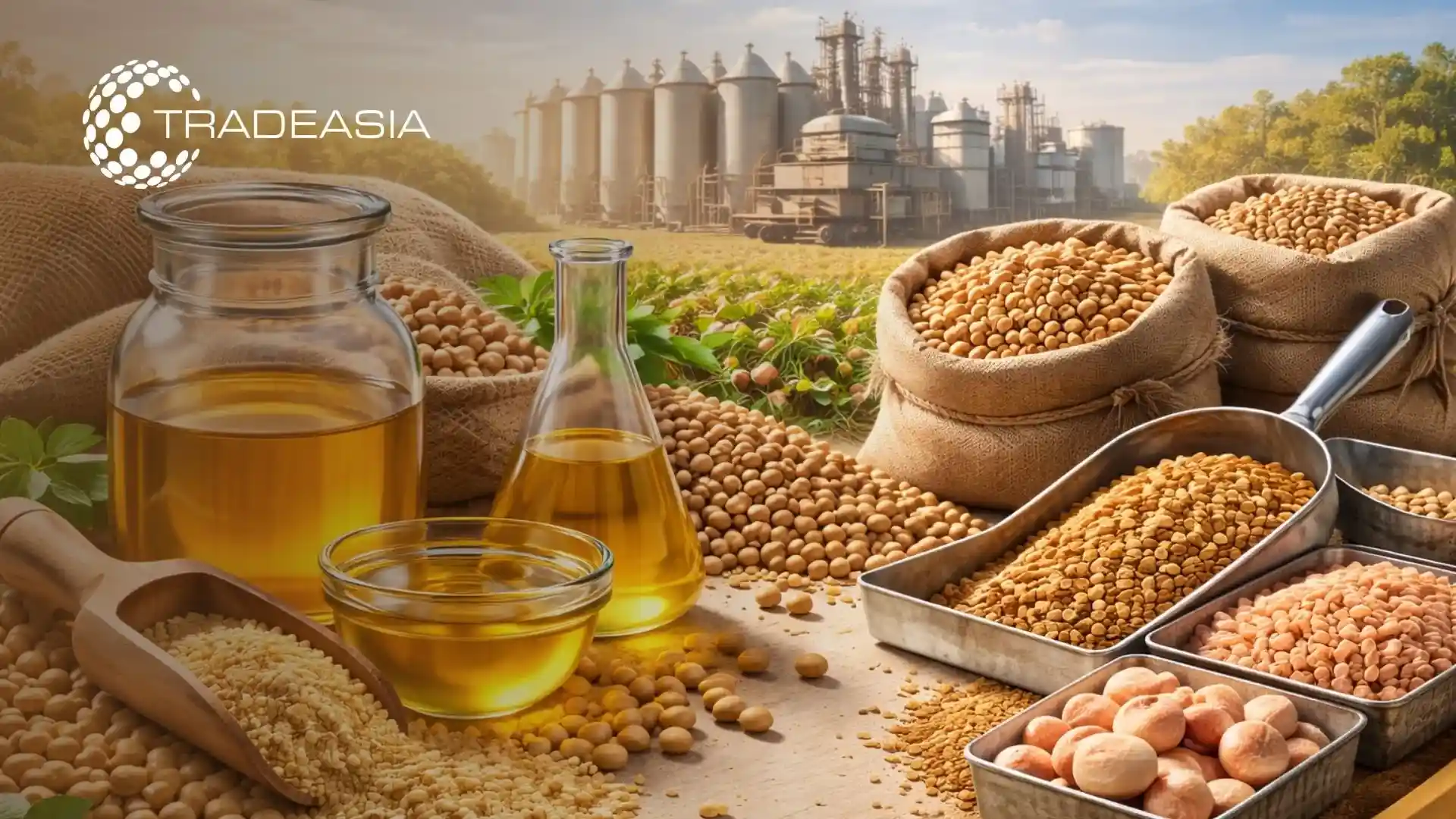
Introduction Soya Lecithin
The global industrial feed sector is navigating a complex landscape defined by rising input costs, stringent nutritional standards, and an unwavering demand for sustainable production. At the heart of this evolution lies a versatile and indispensable ingredient: Soya Lecithin. As a natural emulsifier and nutrient-rich additive, soya lecithin has transcended its traditional roles to become a cornerstone of modern feed manufacturing. Its ability to improve fat digestion, enhance pellet quality, and deliver essential phospholipids makes it critical for poultry, aquaculture, swine, and ruminant nutrition. This article provides a comprehensive analysis of the global supply chain for industrial-grade soya lecithin, projecting key trends, challenges, and strategic sourcing insights that will define the market leading into 2026.
Understanding the multifaceted supply chain, from soybean crushing and lecithin extraction to global logistics and regional market variations, is paramount for procurement specialists and feed formulators. With factors like geopolitical tensions, climate volatility affecting soybean yields, and evolving regulatory frameworks on sustainability, securing a reliable and cost-effective supply of high-quality soya lecithin is more strategic than ever. This deep dive will equip industry stakeholders with the knowledge to make informed decisions, mitigate risks, and leverage the functional benefits of lecithin to optimize feed performance and operational efficiency in the coming years.
The Critical Role of Soya Lecithin in Modern Feed Formulations
Soya Lecithin is not merely an additive; it is a multifunctional processing aid and nutritional component. Chemically, it is a complex mixture of phospholipids, primarily phosphatidylcholine, phosphatidylethanolamine, and phosphatidylinositol, extracted during the degumming stage of soybean oil refining. In feed manufacturing, its primary function is as a potent emulsifier. By reducing the surface tension between water and fat, lecithin ensures uniform distribution of lipids throughout the feed matrix. This leads to significantly improved fat digestibility in animals, which is crucial for high-energy diets, allowing for better utilization of expensive fat sources and improved overall feed conversion ratios (FCR).
Beyond nutrition, lecithin acts as a superb pellet binding and conditioning agent. Its hygroscopic nature helps control dust, reduces machinery wear, and improves the durability and hardness of pellets, minimizing fines during storage and transport. This translates directly to reduced waste and cost savings. Furthermore, the phospholipids in soya lecithin are bioactive compounds that support liver function, cell membrane integrity, and brain development in young animals, adding a layer of nutritional value that synthetic emulsifiers cannot match. For species like shrimp and early-weaned piglets, dietary phospholipids are considered essential nutrients, making lecithin a critical ingredient in premium starter and aqua feeds.
Global Market Dynamics and Supply Chain Landscape
The global supply chain for soya lecithin is intrinsically linked to the soybean complex, with production concentrated in major soybean processing hubs. The United States, Brazil, Argentina, and the European Union are the dominant producers, housing large-scale crushing plants where lecithin is extracted as a co-product. The market is characterized by a mix of large, integrated agribusinesses and specialized lecithin processors. Leading players like ADM, Cargill, Bunge, and Louis Dreyfus Company control significant portions of the global supply, leveraging their vertical integration from bean to refined product. However, regional specialists and traders like chemtradeasia play a vital role in connecting global supply with specific regional demand, offering tailored grades and logistical solutions.
Looking toward 2026, several dynamic forces will shape the market. Firstly, the volatility of soybean prices, influenced by weather patterns in the Americas and trade policies, directly impacts lecithin availability and cost. Secondly, the growing demand for non-GMO and identity-preserved lecithin, particularly from the European feed sector, is creating a premium market segment with its own supply chain nuances. Thirdly, logistics remain a persistent challenge; lecithin is typically transported in liquid form (in drums or isotanks) or as powder, requiring careful handling to prevent degradation. Port congestion, freight costs, and geopolitical disruptions, as witnessed in recent years, can cause significant regional shortages and price spikes, necessitating robust contingency planning for buyers.
Key Applications and Benefits in Industrial Feed Production
The application of soya lecithin is tailored across different animal sectors based on its core benefits. In poultry feed, particularly for broilers and layers, its inclusion at 0.5% to 2% improves energy uptake from fats, supports feathering, and enhances egg yolk size and quality. The emulsification property is crucial in high-density diets, ensuring consistent nutrient delivery. For the rapidly expanding aquaculture industry, lecithin is indispensable. In shrimp and fish feed (for species like salmon and trout), it improves the water stability of pellets, reduces nutrient leaching, and provides essential phospholipids that are critical for larval development, survival rates, and stress resistance.
In swine nutrition, especially in pre-starter and starter diets for piglets, lecithin aids in the transition from milk to solid feed by improving palatability and digestibility of complex lipids, supporting gut health and early growth. For ruminants, while used in smaller volumes, lecithin can be applied in milk replacers and high-performance calf starters to improve fat emulsification. The universal benefits across these applications include: enhanced feed efficiency (lower FCR), reduced feed manufacturing costs through better processing, improved animal health and performance metrics, and the ability to incorporate a wider range of cost-effective fat sources into formulations without compromising nutritional value.
Sourcing Strategies and Supplier Evaluation for 2026
As the market evolves, developing a resilient sourcing strategy for soya lecithin is critical. Buyers must look beyond price and consider a holistic set of criteria. First is quality consistency and specifications. Key parameters include acetone-insoluble matter (AI%, indicating phospholipid content), hexane residue, moisture, and color. For specific applications, the ratio of specific phospholipids or the form (fluid, de-oiled powder, granulated) becomes paramount. Reliable suppliers provide consistent Certificates of Analysis (CoA) and traceability back to the crush origin. Second is supply chain transparency and reliability. Partners should have clear visibility into their upstream supply, multiple sourcing origins to mitigate regional crop failures, and proven logistics capabilities to ensure on-time delivery.
Third, the capacity for technical support and value-added services is a key differentiator. Leading suppliers and service platforms like chemtradeasia offer more than just product; they provide formulation advice, troubleshooting for feed mill issues, and insights on regulatory compliance across different markets. For 2026, forward-thinking buyers are establishing partnerships with suppliers who demonstrate commitment to sustainability, such as offering lecithin from sustainably sourced soybeans (e.g., certified under schemes like RTRS or ProTerra). Diversifying the supplier base to include both major producers and agile regional specialists can create a balanced portfolio that ensures security of supply, competitive pricing, and access to innovation in product forms and specifications tailored for the future of feed.
Conclusion
The trajectory for soya lecithin in the industrial feed ingredient market points toward sustained growth and increasing strategic importance up to 2026. Its irreplaceable functional benefits in improving feed manufacturing efficiency and enhancing animal nutrition align perfectly with the industry's goals of productivity, sustainability, and cost management. However, navigating its supply chain requires a proactive and informed approach. By understanding the global production landscape, recognizing the specific application-driven benefits, and implementing robust, multi-faceted sourcing strategies, feed producers can secure a competitive advantage.
Building strong, collaborative relationships with knowledgeable suppliers who offer transparency, quality assurance, and market intelligence will be the cornerstone of success. As demand for animal protein continues to rise and feed formulation science advances, soya lecithin will remain a vital tool in the formulator's kit, and those who master its supply chain dynamics will be best positioned to thrive in the evolving global market.
Disclaimer: This article is for informational and market insight purposes only. It is not intended as technical, safety, or professional advice for feed formulation or manufacturing. The data and trends presented are based on market analysis and should be independently verified. For specific applications, safety protocols, and precise technical specifications, readers must consult qualified experts, refer to official product documentation including Safety Data Sheets (SDS), and contact our team or their supplier for detailed guidance tailored to their unique operational context.