Corn Starch Availability in Week 2 June 2026
In week 2 of June 2026, the corn starch supply chain should be assessed through the relationship between corn availability, wet-milling output, industrial demand, and shipment reliability. According to USDA-related market reporting in May 2026, U.S. corn production was projected at around 16 billion bushels, while demand expectations remained favorable for ethanol and exports. For corn starch buyers, this means upstream grain balance must be monitored before judging whether product availability is secure.
Corn supply as the first availability signal
Corn starch product availability begins with the crop because corn starch is produced from corn kernels, not from a detached synthetic input stream. When corn supply is comfortable, wet millers can maintain steadier feedstock intake and plan output for food-grade and industrial-grade users. Buyers evaluating Corn Starch from Egypt should therefore consider origin, grain-linked availability, and shipment timing together.
Wet-milling output as the production gate
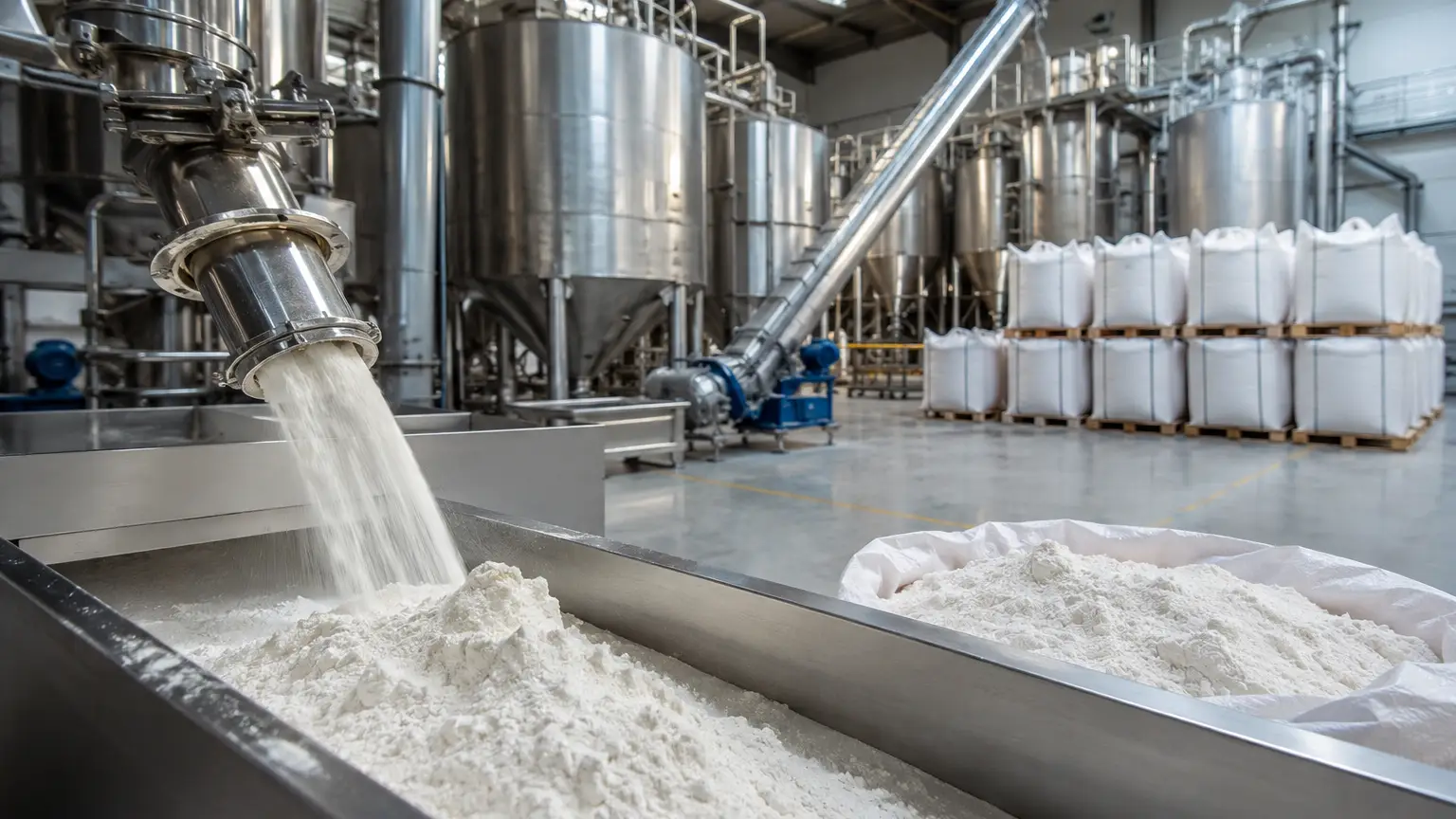
Corn availability alone does not guarantee corn starch availability because wet-milling output determines how much starch reaches the market. Based on corn wet-milling process literature, wet milling separates corn into starch, fiber, germ, gluten, and other co-products through steeping, grinding, separation, washing, and drying. If wet-milling capacity is constrained by corn intake, energy cost, maintenance, labor, or freight, buyers may still face tight supply even when the broader corn crop outlook looks favorable.
Buyer implication for June 2026
The commercial implication is that corn starch sourcing should be planned around both agricultural and industrial indicators. Food manufacturers, paper producers, textile processors, adhesive formulators, distributors, and procurement teams need to track corn crop news, milling output, cereal-price movement, packaging availability, and delivery reliability. In June 2026, the best procurement decisions will be based on total supply-chain visibility rather than quoted product price alone.
Corn Supply Outlook and Grain Price Exposure
Corn supply conditions are a direct cost and availability signal for corn starch procurement because wet millers require consistent grain intake to maintain starch output. According to USDA-related May 2026 market reporting, the U.S. corn production outlook was around 16 billion bushels, slightly above analyst expectations, while ethanol and export demand remained strong. This combination supports supply confidence but also reminds buyers that corn starch availability can be influenced by competing corn demand.
Crop conditions and raw material security
Crop conditions affect how millers and traders judge future corn availability. If weather risk, fertilizer cost, or regional yield pressure increases, corn buyers may move earlier to secure grain supply, which can tighten nearby procurement windows for downstream starch production. Buyers reviewing Corn Starch from India should therefore evaluate not only the product specification but also the broader grain and milling environment behind the offer.
Ethanol and export competition
Ethanol-linked corn demand can influence starch economics because corn can be directed into multiple processing channels. When ethanol demand and export demand are both firm, the market may show stronger competition for raw corn, especially in regions where grain logistics are active. For corn starch buyers, this means procurement teams should follow feedgrain demand signals because strong corn usage outside wet milling may still affect availability and cost.
Cereal price pressure
FAO-linked reporting in early June 2026 showed that cereal prices rose in May, with grain markets affected by supply concerns, higher input costs, and firm demand signals. Although cereal-price movement does not automatically translate into corn starch price movement one-to-one, it can influence buyer expectations and supplier replacement cost. In week 2 of June 2026, cereal inflation risk should be included in corn starch procurement strategy and landed-cost planning.
Wet-Milling Output as the Core Supply Indicator
Wet-milling output is the core production indicator for corn starch because the process determines how much usable starch can be separated, washed, dried, and packed for commercial buyers. According to corn wet-milling process literature, the process breaks corn kernels into starch, germ, fiber, gluten, and steepwater solids. For B2B buyers, the important point is that wet-milling efficiency and plant utilization can affect available supply even when raw corn is present.
Endosperm separation and starch recovery
Corn starch is obtained primarily from the endosperm of the corn kernel, which is separated during wet milling. The process requires proper steeping, grinding, screening, centrifugal separation, washing, and drying to produce a refined starch stream. Buyers assessing Corn Starch from China should treat production route and specification consistency as important sourcing factors, especially for applications requiring reliable whiteness, moisture level, and purity.
Milling utilization and product availability
Wet-milling utilization depends on corn intake, operating costs, plant maintenance, water availability, energy pricing, and downstream demand for starch and co-products. If millers reduce operating rates because of input cost pressure or weaker co-product margins, corn starch product availability can tighten without a dramatic change in crop supply. This is why procurement teams should monitor milling output, not only corn futures or crop projections.
Co-product economics and production decisions
Wet milling creates multiple products, including corn starch, corn oil, corn gluten meal, corn gluten feed, and sweetener feedstocks. The value of these co-products can affect plant economics and influence how aggressively millers operate. For corn starch buyers, this means supply continuity may depend on the full wet-milling value chain rather than only the demand for starch itself.
Food and Industrial Demand for Corn Starch
Corn starch demand remains supported by both food and industrial applications, making buyer competition broad across multiple sectors. According to food and starch processing references, corn starch is widely used as a thickener, stabilizer, texture modifier, sweetener feedstock, paper ingredient, adhesive component, textile processing aid, pharmaceutical excipient, and modified starch base. This wide application range means corn starch industrial uses can create demand pressure even when one sector temporarily slows.
Food thickening and sweetener demand
Food manufacturers use corn starch for thickening sauces, soups, gravies, fillings, bakery systems, confectionery, and processed foods. It also supports sweetener production in corn refining systems, linking corn starch output with broader food ingredient demand. Buyers sourcing Corn Starch from Pakistan should evaluate whether the material matches food-grade expectations, packaging needs, and destination-market documentation requirements.
Paper, textile, and adhesive applications
Paper producers use starch for surface sizing, coating support, strength improvement, and converting performance, while adhesive formulators use starch for bonding systems in packaging and industrial applications. Textile processors may use starch in sizing and finishing applications where film formation and viscosity behavior are important. Because these sectors often purchase in bulk, their demand can influence corn starch trade flow and regional allocation.
Modified starch and pharmaceutical demand
Modified starch production adds another layer of demand because native corn starch can be converted for improved stability, viscosity, freeze-thaw performance, or process compatibility. Pharmaceutical and nutraceutical users may also require starch as an excipient, binder, or disintegrant depending on formulation needs. For B2B procurement teams, this creates a need to distinguish food-grade, industrial-grade, and application-specific corn starch before confirming price.
Regional Trade Flow and Supplier Availability
Corn starch trade flow depends on where corn is grown, where wet-milling capacity exists, and where downstream food and industrial buyers are concentrated. According to global cereal market reporting, grain supply and price movement can differ by region due to weather, logistics, input costs, and export demand. For corn starch import export planning, regional sourcing decisions should be based on origin reliability, supplier readiness, and delivery economics.
Regional origin comparison
Different origins may serve different procurement needs depending on price, packaging, lead time, and product specification. Buyers comparing Corn Starch from Indonesia with other regional origins should evaluate not only product price but also shipping route, documentation availability, supplier responsiveness, and destination-market handling needs. In week 2 of June 2026, regional sourcing flexibility can reduce exposure to a single trade lane.
Import and export exposure
Corn starch import export activity can be affected by container availability, inland freight, port congestion, customs documentation, and food-grade clearance requirements. If a buyer relies on imported supply, the purchase decision must include shipment timing and landed-cost calculation before order confirmation. A lower ex-works price may not be the best option if the route creates higher freight exposure or a longer lead time.
Supplier availability and allocation
Corn starch supplier availability depends on stock position, production schedule, origin, packaging readiness, and allocation priority. When food, paper, textile, adhesive, and modified starch buyers all seek reliable supply, suppliers may prioritize confirmed orders with clear specifications and shipment instructions. This makes complete inquiry details a practical advantage for buyers competing in a tighter June 2026 market.
Packaging, Freight, and Landed-Cost Exposure
Packaging and freight can materially shape the real cost of corn starch, especially when buyers are importing bagged product across regional trade lanes. Based on Drewry’s June 2026 container freight commentary, early peak-season freight pressure has already influenced container rates and shipment planning. For corn starch logistics, this means buyers should evaluate 25 kg bag packaging, container loadability, inland transport, and storage cost before accepting a quotation.
Bag format and warehouse handling
Corn starch is commonly supplied in industrial bags, and packaging condition matters because starch is moisture-sensitive and powder handling requires clean storage. Buyers should check bag weight, palletization, liner condition, marking, warehouse suitability, and unloading requirements before confirming shipment. If packaging does not match the buyer’s warehouse or production system, operational cost can increase after the product arrives.
Freight reliability
Freight reliability can change the commercial value of a corn starch offer. A supplier may provide competitive product pricing, but delayed container booking or uncertain sailing schedules can disrupt production timelines for food manufacturers, paper mills, textile processors, and adhesive producers. In June 2026, procurement teams should align product availability, vessel schedule, destination port, and customs clearance requirements before issuing a final purchase order.
Landed-cost control
A landed-cost model should include product price, packaging, inland haulage, origin charges, ocean freight, insurance, customs duty, taxes, destination handling, warehouse cost, and financing impact. This model helps buyers compare corn starch sourcing options across origins in a consistent way. For procurement teams, landed-cost discipline prevents a low headline price from becoming a higher actual cost after logistics and import charges are included.
Documentation and Procurement Control
Documentation is central to corn starch sourcing because food-grade and industrial-grade buyers require specification clarity before production use. According to food ingredient and starch processing references, corn starch quality depends on composition, moisture, particle characteristics, and suitability for the intended application. For B2B buyers, technical documents help connect supplier claims with internal quality assurance, regulatory review, and production approval.
Technical document review
Buyers should review product documents before approving a new supplier or changing origin. The Tradeasia Download Center supports technical document access that can help procurement, quality assurance, and production teams evaluate product suitability. In June 2026, document readiness can also reduce delays when buyers need faster approval under tighter supply-chain conditions.
Supplier qualification
A qualified corn starch supplier should be assessed on origin, grade, packaging, technical documentation, shipment reliability, and ability to support repeat orders. Procurement teams should verify whether the supplier can meet food-grade, paper-grade, textile-grade, adhesive-grade, or industrial processing requirements. This is especially important when switching suppliers during periods of grain-price pressure or freight volatility.
Inquiry and sourcing workflow
Buyers should prepare clear inquiry information before requesting commercial support, including target grade, application, volume, destination port, preferred packaging, incoterm, and required documents. Procurement teams can use Chemtradeasia’s corn starch sourcing contact channel to discuss availability, specification, shipment planning, and commercial terms. A complete inquiry helps suppliers respond with a practical offer rather than a general price indication.
Strategic Conclusion for Corn Starch Buyers
Corn starch buyers in week 2 of June 2026 should treat sourcing as a grain-linked and milling-linked procurement decision. USDA-related market reporting supports a large U.S. corn production outlook of around 16 billion bushels, while FAO-linked reporting shows cereal-price pressure in May 2026 due to tighter supply and higher input costs. The strongest procurement strategy is therefore to evaluate corn supply, wet-milling output, grade suitability, packaging, freight reliability, and landed cost together.
Regional product alignment
Buyers can compare Corn Starch from Egypt, Corn Starch from India, Corn Starch from China, Corn Starch from Pakistan, and Corn Starch from Indonesia based on application fit, origin preference, packaging, shipment route, and documentation. This comparison should be made by food manufacturers, paper producers, textile processors, adhesive formulators, and distributors with a clear understanding of their own production requirements. A suitable origin is the one that supports both product performance and supply continuity.
Commercial action
Before confirming June or early Q3 supply, buyers should review technical information through the Tradeasia Download Center and discuss sourcing needs through Chemtradeasia’s contact channel. This sequence helps procurement teams align product specification, document readiness, shipment timing, and commercial terms. It also reduces the risk of selecting a supplier based only on product price while overlooking wet-milling output, logistics, and landed-cost exposure.
June 2026 outlook
The June 2026 outlook favors corn starch buyers that monitor agricultural supply and industrial processing conditions together. Corn crop availability sets the raw material base, but wet-milling output determines how much starch is actually available for food, paper, textile, adhesive, pharmaceutical, and modified starch users. In a market shaped by cereal-price pressure, ethanol-linked corn demand, and freight reliability, disciplined corn starch procurement strategy can protect production continuity and margin stability.

Leave a Comment