Introduction
Across Asia, the animal feed industry is undergoing rapid transformation, driven by rising meat, milk, egg, and aquaculture consumption. As producers search for cost-effective and sustainable protein sources, canola meal is emerging as a strategic ingredient in feed formulations. By 2026, canola meal is expected to play a larger role in compound feed for poultry, swine, ruminants, and aquaculture, complementing or partially substituting traditional ingredients such as soybean meal.
Canola meal, a by-product of canola oil extraction, offers a favorable balance of protein, amino acids, and energy. Its growing use in Asia is closely linked to the region’s focus on feed efficiency, animal health, and environmental performance. Countries with large livestock and aquaculture sectors, including China, India, Indonesia, Vietnam, and Thailand, are increasingly evaluating canola meal as part of their ingredient portfolios.
In this context, reliable sourcing platforms such as chemtradeasia.in and chemtradeasia.co.id are becoming important for feed manufacturers and integrators. These platforms connect buyers across Asia with global suppliers of canola meal and other animal feed ingredients, ensuring quality, consistency, and competitive pricing. This article analyzes application trends of canola meal in Asia by 2026, with a focus on demand from the animal feed ingredients industry and the evolving role of digital trading platforms.
Market Overview: Canola Meal Demand in Asia
Global canola meal production is closely tied to canola oil crushing, with major outputs from Canada, the European Union, Australia, and increasingly China. According to industry estimates, global canola meal production has been hovering around 40–45 million metric tons annually in the mid-2020s, with Asia accounting for a steadily rising share of consumption. As feed manufacturers look to diversify away from single-source protein dependence, canola meal is gaining traction as a complementary protein ingredient.
In Asia, demand growth is particularly visible in large livestock-producing economies. China, the world’s largest feed producer, has integrated canola meal into ruminant and, to a lesser extent, swine and poultry diets, especially in regions with better access to imported oilseeds. India, driven by its expanding dairy and poultry sectors, is exploring canola meal to reduce pressure on domestic oilseed and protein supplies. Southeast Asian markets such as Indonesia, Vietnam, and the Philippines are also examining canola meal to manage feed costs and reduce reliance on soybean meal imports.
By 2026, regional analysts expect canola meal usage in Asia to increase at a moderate but steady pace, supported by three main factors: the ongoing expansion of intensive livestock and aquaculture systems; the need to manage feed cost volatility; and policy-level encouragement of more sustainable and diversified protein sources. Digital B2B platforms such as chemtradeasia.in and chemtradeasia.co.id are expected to further facilitate this growth by improving price transparency, logistics coordination, and access to multiple origins of canola meal for Asian buyers.
Key Applications of Canola Meal in the Animal Feed Industry
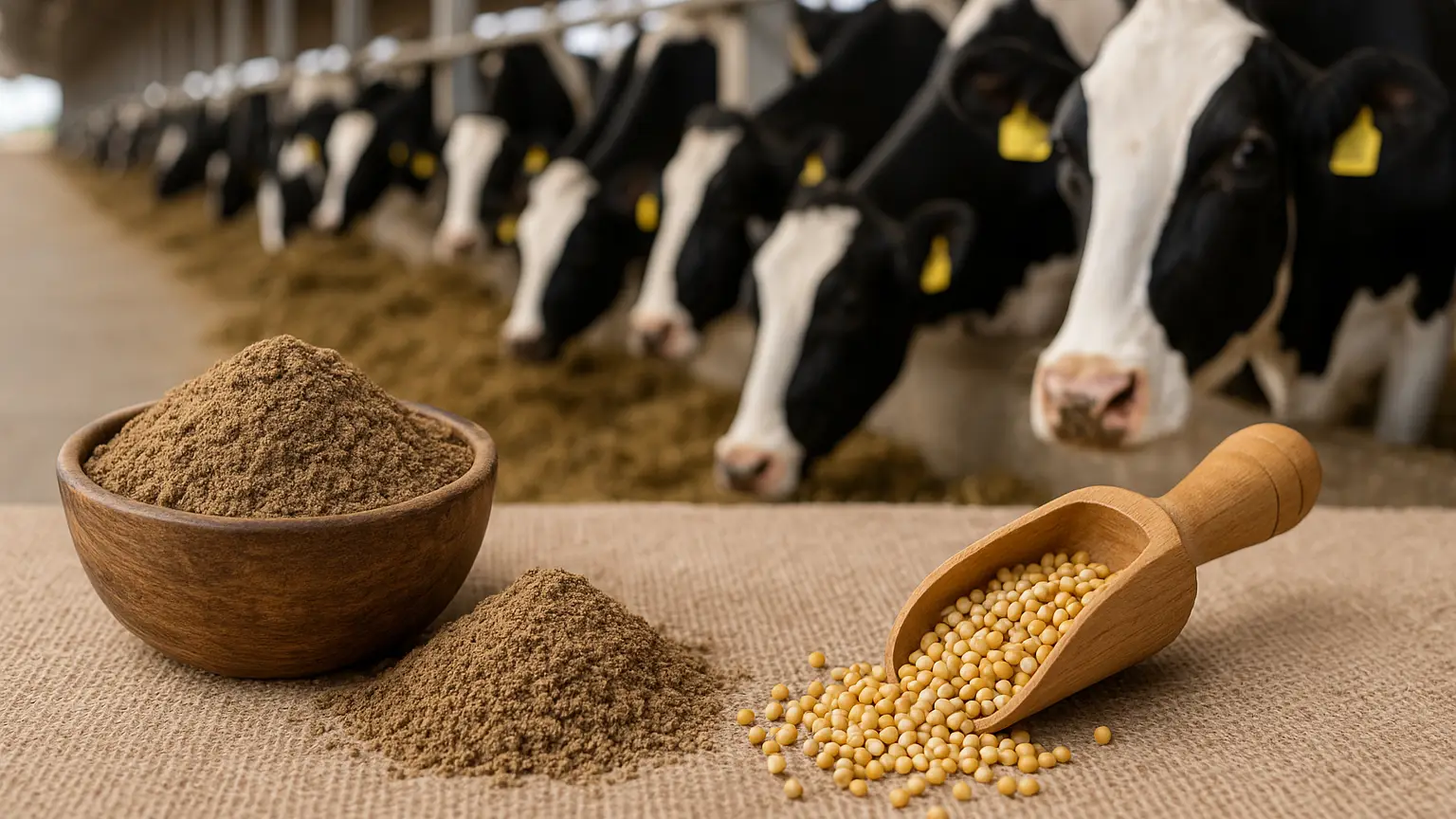
The primary application of canola meal in Asia’s animal feed industry is as a protein-rich ingredient in compound feeds. Its use varies by species, driven by nutritional suitability and economic considerations. For ruminants such as dairy and beef cattle, canola meal is particularly attractive due to its favorable rumen-undegradable protein (RUP) fraction and beneficial amino acid profile, which support milk yield and milk protein content. Dairy rations often include canola meal at inclusion rates of 10–20% of the total diet dry matter, depending on local feed availability and cost structures.
In the poultry sector, canola meal is used in broiler and layer diets typically at lower inclusion levels than in ruminant feeds, due to its fiber content and the need to balance energy density and digestibility. However, with improved processing technologies and better understanding of anti-nutritional factors, inclusion levels of 5–10% in broiler diets and even higher in layer diets are increasingly feasible. For swine, canola meal can be incorporated into grower and finisher feeds as a partial substitute for soybean meal, provided that amino acid supplementation and energy balance are properly managed.
Aquaculture is another emerging application area in Asia, especially for species such as carp, tilapia, and some marine fish. As fishmeal prices remain high and sustainability concerns grow, feed formulators are experimenting with canola meal as part of plant-based protein blends. Inclusion levels in aquafeed are typically more conservative and highly formulation-specific, but even modest adoption across Asia’s rapidly growing aquaculture sector could significantly boost canola meal demand by 2026. Platforms like chemtradeasia.in and chemtradeasia.co.id enable aquafeed producers to trial different canola meal specifications and origins, matching product characteristics to species requirements.
Nutritional Features and Benefits of Canola Meal
From a nutritional perspective, canola meal is valued for its balanced protein and amino acid profile. Typical canola meal contains about 36–40% crude protein on a dry matter basis, with relatively high levels of essential amino acids such as methionine, cysteine, and lysine. These amino acids are critical for muscle development, egg production, and milk synthesis. Compared with some other oilseed meals, canola meal offers a favorable ratio of sulfur-containing amino acids, which is particularly beneficial in poultry and dairy diets.
Energy content in canola meal is moderate, and its fiber content is higher than that of soybean meal, which can limit inclusion levels in some monogastric species. However, ruminants can utilize this fiber effectively, and modern feed formulation techniques can account for these differences. Additionally, canola meal contains minerals such as calcium, phosphorus, and trace elements, as well as small amounts of residual oil that contribute to its energy value. With improved processing and de-hulling technologies, newer grades of canola meal with reduced fiber and higher digestible energy are becoming available to Asian buyers.
Beyond basic nutrition, canola meal offers several practical benefits to feed manufacturers and livestock producers. It is often competitively priced relative to soybean meal, especially when sourced from regions with strong canola crushing industries. This cost advantage can help stabilize feed budgets and improve margins in price-sensitive markets. Moreover, using a diversified protein matrix that includes canola meal can reduce the risk associated with supply disruptions or price spikes in any single ingredient. For producers focused on sustainability, canola meal from responsible supply chains can also support lower land-use footprints and improved life-cycle emissions metrics for animal products, an increasingly important consideration for export-oriented Asian producers.
Sourcing Canola Meal in Asia: Role of chemtradeasia.in and chemtradeasia.co.id
As canola meal adoption grows across Asia, secure and efficient sourcing becomes a strategic priority for feed mills, integrators, and premix manufacturers. Traditional procurement channels often involve multiple intermediaries, limited price transparency, and complex logistics. Digital trading platforms such as chemtradeasia.in (serving India and neighboring markets) and chemtradeasia.co.id (serving Indonesia and the wider ASEAN region) are reshaping this landscape by directly connecting buyers with vetted global suppliers of canola meal and other animal feed ingredients.
Through these platforms, buyers can access a range of canola meal specifications, including different protein levels, moisture limits, and quality certifications such as GMP+, HACCP, or ISO-based systems. This is particularly important for feed producers that must comply with stringent quality and safety standards set by regulators and large retail or export customers. The platforms typically provide product documentation, technical data sheets, and sample support, helping nutritionists and formulators make informed decisions about inclusion rates and species-specific applications.
In addition to product diversity, chemtradeasia.in and chemtradeasia.co.id offer logistical advantages. They coordinate shipments from major exporting regions—such as Canada, Australia, and Europe—to key Asian ports, optimizing freight options and delivery schedules. This helps feed manufacturers maintain steady inventories and reduces the risk of production interruptions. Integrated services such as contract management, payment facilitation, and after-sales support further streamline procurement. By 2026, as more Asian feed companies embrace digital tools, these platforms are likely to play an even larger role in ensuring that canola meal is available, competitively priced, and aligned with evolving nutritional and sustainability requirements.
Conclusion
By 2026, canola meal is poised to become a more prominent component of Asia’s animal feed ingredient mix. Its balanced protein profile, favorable amino acid composition, and competitive cost position it as a valuable complement to traditional ingredients like soybean meal. Ruminant, poultry, swine, and aquaculture sectors across the region are increasingly recognizing the potential of canola meal to enhance feed efficiency, support animal performance, and diversify supply risks.
At the same time, the success of canola meal in Asia depends on robust sourcing infrastructure and reliable market access. Digital platforms such as chemtradeasia.in and chemtradeasia.co.id are instrumental in linking Asian feed manufacturers with global canola meal producers, providing transparent pricing, quality assurance, and logistics support. Their role will be especially important as feed formulators demand more tailored specifications and as regulatory and customer expectations around safety and sustainability intensify.
For stakeholders in the animal feed ingredients industry—nutritionists, procurement managers, integrators, and traders—the coming years offer a strategic window to integrate canola meal more fully into feed strategies. Those who build early expertise in formulating with canola meal, secure diversified supply through platforms like chemtradeasia.in and chemtradeasia.co.id, and align with sustainability trends will be well positioned to capture value in Asia’s dynamic feed markets through and beyond 2026.
Leave a Comment