The announcement by Singapore's Petrochemical Corporation of Singapore (PCS) immediately became one of the most closely watched developments in the Asian petrochemical market. When the company formally declared force majeure, customers understood that supply disruptions had moved beyond ordinary shipping delays into a contractual issue that required immediate commercial action.
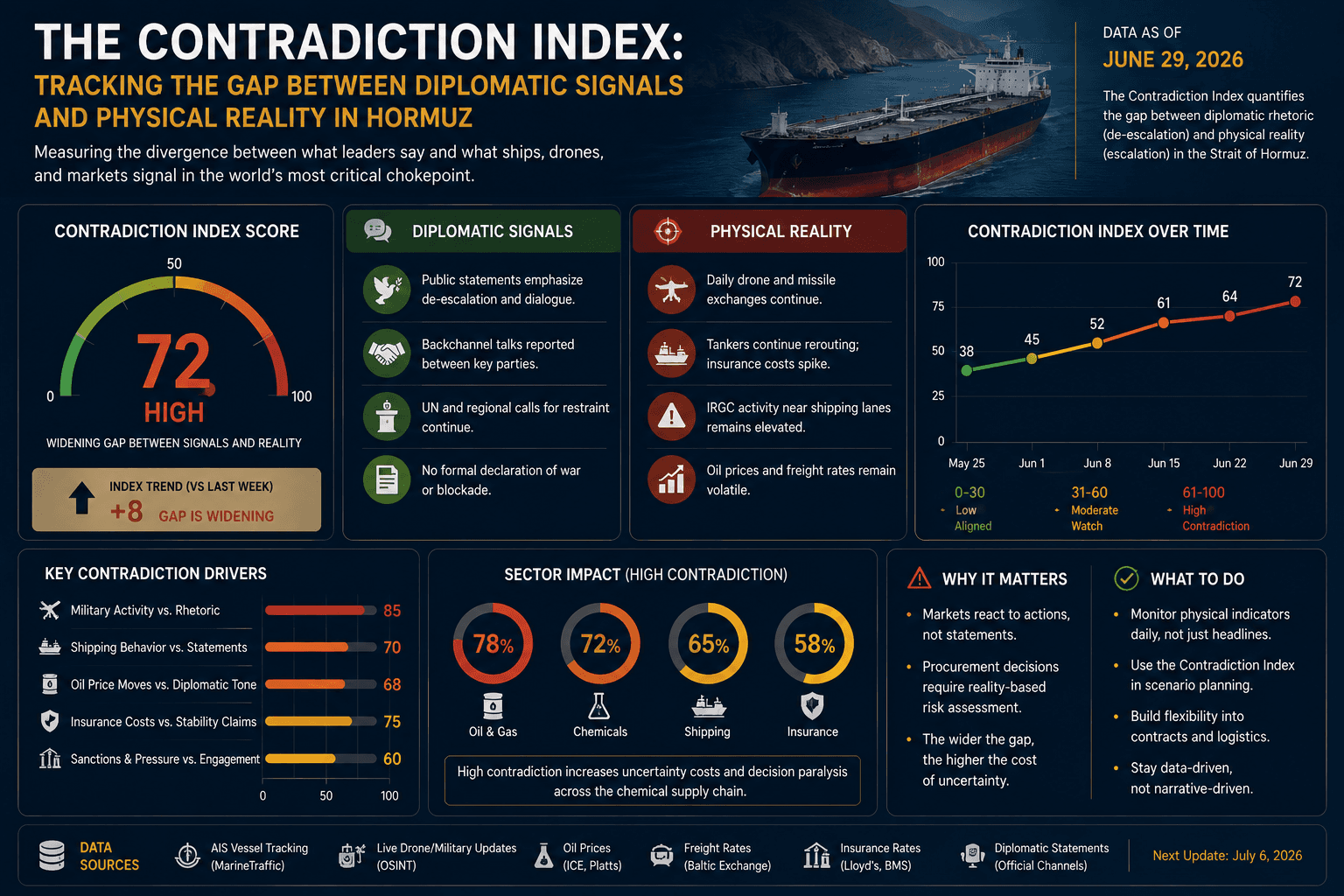
The decision came after escalating conflict in the Middle East disrupted maritime transportation and affected the movement of key feedstocks, particularly naphtha. Since PCS depends heavily on Middle Eastern naphtha to operate its crackers, the disruption quickly reached downstream producers, traders and industrial buyers across the region. As vessel traffic gradually recovered during late June, procurement teams shifted their attention from emergency planning toward contract negotiations and supply normalization.
Why PCS Declared Force Majeure
Force majeure is a contractual provision that allows a company to suspend or modify its contractual obligations when extraordinary events prevent normal business operations. In this case, PCS informed customers that severe disruptions to international shipping had significantly affected its ability to secure feedstock and maintain planned production.
Several interconnected factors created the situation:
Middle Eastern conflict interrupted important maritime routes that transport naphtha into Asia.
Higher uncertainty around shipping schedules made feedstock arrivals difficult to predict.
Production planning became increasingly challenging because crackers require consistent raw material supply.
Supply uncertainty spread throughout downstream polyethylene and polypropylene value chains.
Rather than making uncertain delivery commitments, PCS formally notified customers that contractual obligations would be suspended until conditions improved sufficiently to restore operations.
For many buyers, the announcement represented more than a legal notification. It signaled that procurement strategies would need rapid adjustment across multiple product categories.
Why Naphtha Supply Matters for Singapore
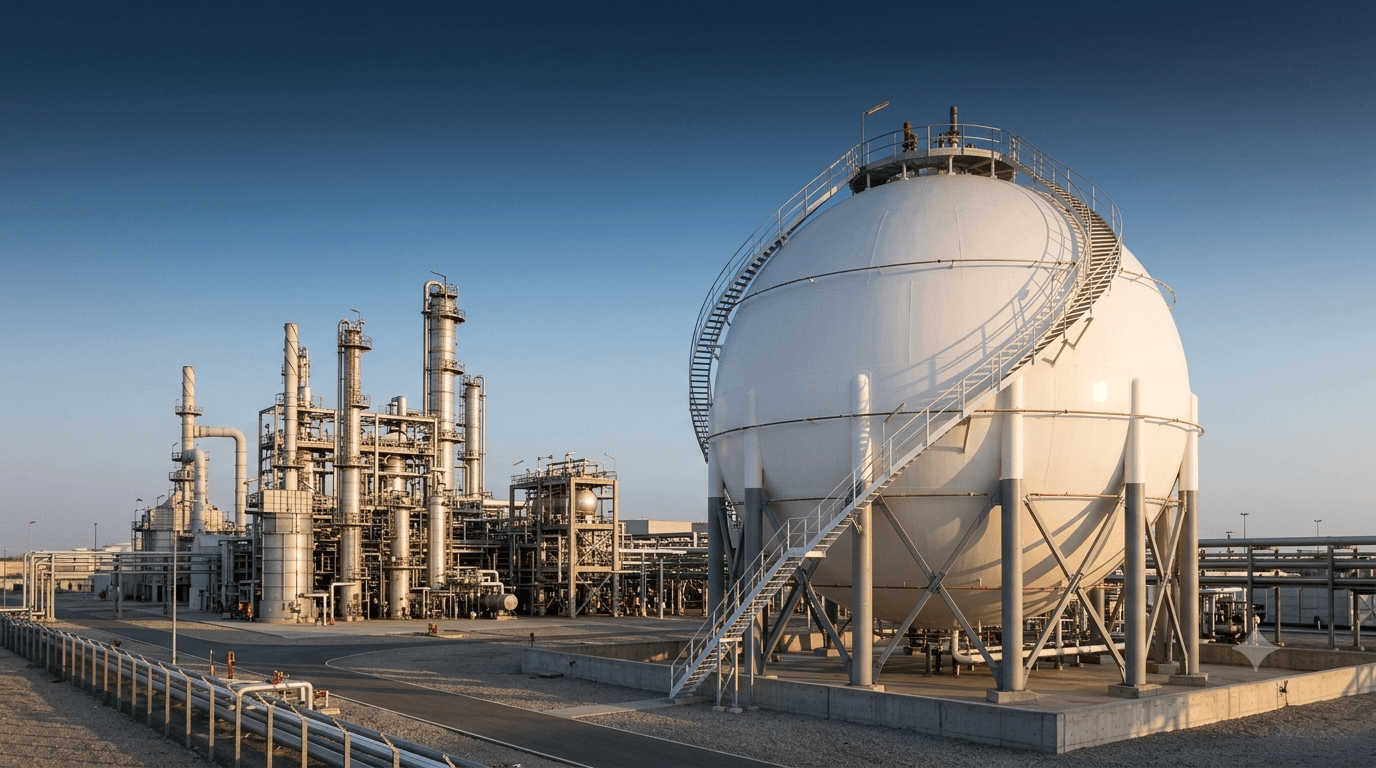
Singapore remains one of Asia's largest integrated petrochemical hubs. Its competitive position depends on a steady flow of imported feedstocks that support large-scale cracker operations and downstream manufacturing.
Naphtha serves as the primary feedstock for many steam crackers that produce essential building blocks including:
Ethylene, which supports polyethylene production and numerous industrial chemicals.
Propylene, which serves polypropylene manufacturers as well as producers of acrylics and specialty chemicals.
Butadiene and other valuable co-products that feed the synthetic rubber industry.
Because Singapore has limited domestic hydrocarbon resources, imported feedstocks play a central role in maintaining production stability. Any interruption along shipping routes can quickly influence operating rates across multiple chemical sectors.
The dependence on overseas supply means geopolitical events occurring thousands of kilometers away can directly influence manufacturing activity inside Singapore.
The Immediate Impact on Chemical Buyers
The force majeure declaration created several immediate concerns for procurement managers throughout Asia. Companies relying on regular deliveries suddenly had to reassess inventory positions, production schedules and supplier relationships.
Some organizations focused on securing alternative material from regional producers, while others delayed purchasing decisions until market conditions became clearer.
The most common challenges included:
Uncertainty regarding delivery commitments that had already been scheduled.
Questions surrounding pricing adjustments after production resumed.
Higher competition for available regional supply.
Increased communication between suppliers, logistics providers and purchasing teams.
Although inventories helped some manufacturers absorb short-term disruptions, extended uncertainty often increases procurement costs because buyers seek additional safety stock from multiple suppliers.
Signs That Supply Conditions Are Improving
Recent shipping activity has provided cautious optimism for the regional petrochemical market. Reports confirming dozens of vessel crossings during late June suggest that feedstock movement into Asia has begun to recover.
This does not necessarily mean the market has returned to normal. Shipping schedules, inventory rebuilding and cracker operating rates typically recover in stages rather than all at once.
Procurement professionals should therefore separate improving logistics from full market normalization. A recovering shipping corridor represents an important milestone, but commercial negotiations remain equally important before supply relationships fully stabilize.
How July Becomes the Critical Negotiation Window
As shipping conditions improve, attention naturally shifts from logistics to commercial agreements. July represents an important period for PCS customers because many existing force majeure arrangements now require formal discussion before normal contractual performance resumes.
A force majeure notice does not automatically restore previous delivery obligations once market conditions improve. Both supplier and customer typically need to agree on how outstanding commitments will be handled, particularly when production schedules and inventories have changed during the disruption.
Procurement teams should approach these discussions with a structured plan instead of assuming that previous contract terms will simply continue.
Key negotiation priorities include:
Confirming the official date when normal deliveries will resume under the existing agreement.
Agreeing on revised shipment schedules for delayed or partially fulfilled orders.
Reviewing whether price adjustments apply to postponed deliveries.
Clarifying responsibilities for freight, storage or additional logistics costs incurred during the disruption.
Documenting every commercial agreement in writing to reduce future contractual disputes.
Buyers who engage suppliers early often gain greater visibility into production planning and available allocation than those who wait until market demand accelerates.
How Force Majeure Can Influence Chemical Pricing
Even when production resumes, pricing rarely returns to previous levels overnight. Supply disruptions affect multiple cost components simultaneously, creating a ripple effect across the petrochemical value chain.
Several factors may influence prices during the recovery period:
Feedstock availability remains the largest variable until naphtha imports consistently meet operating requirements.
Freight costs may stay elevated if vessel availability has not fully normalized.
Buyers rebuilding inventory can temporarily increase market demand beyond normal consumption.
Producers may restart facilities gradually instead of immediately returning to full operating rates.
These conditions often create short periods of price volatility. Procurement professionals should therefore monitor market fundamentals rather than reacting to individual price movements.
A disciplined purchasing strategy can reduce exposure to sudden market swings while maintaining production continuity.
What This Means for Polyethylene and Polypropylene Markets
PCS plays an important role in supplying ethylene and downstream polyolefins to regional manufacturers. Any interruption at the cracker level eventually reaches industries that rely on polyethylene and polypropylene resins.
Manufacturers producing packaging materials, consumer goods, automotive components and industrial products closely monitor cracker operations because resin availability directly affects production planning.
Some downstream sectors may experience:
Longer lead times for resin purchases while inventories are rebuilt.
Temporary allocation programs from suppliers managing limited production.
Greater competition among regional buyers seeking available material.
Increased interest in alternative suppliers outside Southeast Asia.
Although these effects differ by product and region, buyers should expect recovery to occur progressively instead of uniformly across every polymer grade.
Managing Supply Chain Risk After the Disruption
The PCS force majeure event reinforces an important lesson for procurement teams. Even highly reliable suppliers can face disruptions when geopolitical events interrupt critical supply routes.
Rather than relying solely on historical supplier performance, companies increasingly evaluate the resilience of their entire supply chain.
Several practical measures can strengthen procurement strategies:
Build relationships with qualified suppliers in different geographic regions to reduce dependence on a single production source.
Review safety stock policies regularly to ensure inventories match current market risks instead of historical averages.
Include clear force majeure provisions and communication procedures in future contracts.
Monitor shipping lanes, port activity and feedstock availability alongside product pricing.
Conduct periodic supplier risk assessments that consider logistics, geopolitical exposure and production capacity.
Diversification does not eliminate risk, but it reduces the likelihood that one disruption will halt production across an entire manufacturing operation.
Why Communication Matters More Than Ever
Periods of market uncertainty often reward companies that communicate quickly and consistently. Buyers who maintain regular contact with suppliers typically receive earlier visibility into production schedules, shipment planning and allocation decisions.
This communication should extend beyond purchase orders. Procurement managers benefit from discussing inventory forecasts, expected demand and potential scheduling flexibility with suppliers whenever market conditions change.
Strong supplier relationships can also help both parties identify practical solutions, such as phased deliveries or revised shipment priorities, instead of waiting for problems to escalate.
For multinational organizations, coordination between procurement, logistics, production planning and finance becomes equally important. Internal alignment allows companies to respond faster when commercial negotiations or delivery schedules change.
What Buyers Should Do Now
The gradual recovery in Middle Eastern shipping represents an encouraging development, but procurement teams should avoid assuming that the market has fully stabilized. Production recovery, inventory rebuilding and commercial negotiations will continue influencing supply conditions over the coming weeks.
Organizations purchasing petrochemical products from Singapore should focus on confirming delivery schedules, reviewing pricing mechanisms and documenting any revised contractual terms before normal operations resume. Close monitoring of logistics and supplier communications will remain essential until feedstock flows consistently support full production.
Companies that combine proactive supplier engagement with disciplined risk management will be better positioned to navigate future disruptions while protecting production continuity.
Ready to source petrochemicals from verified global suppliers? Explore competitive offers on our platform today.
Polyethylene Terephthalate (PET) CAS: 25038-59-9