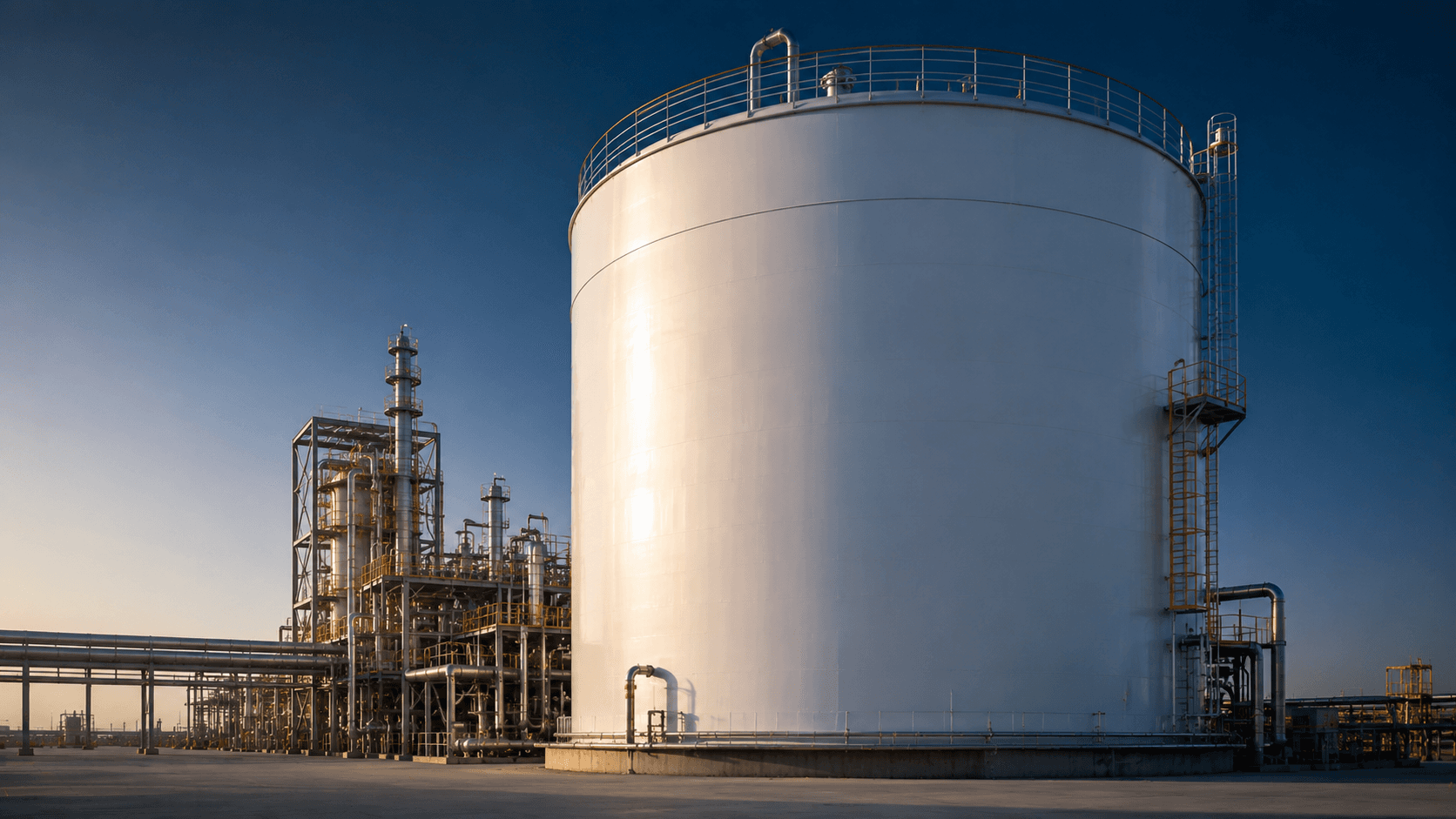
Two major maritime attacks within 48 hours have changed the conversation around global chemical procurement, even though physical supply flows have started recovering. The attacks on the Singapore-flagged container ship Ever Lovely and the Panamanian-flagged crude tanker Kiku have created fresh uncertainty for buyers monitoring raw material availability, freight routes and energy-linked chemical prices.
For chemical traders and procurement teams, the current market presents a difficult situation. Supply is moving again, but geopolitical risk remains active. Chemical procurement decisions now require closer monitoring of shipping conditions, supplier reliability and alternative sourcing options.
Gulf Shipping Disruptions Create New Chemical Procurement Challenges
The Strait of Hormuz remains one of the most important trade routes for global energy and chemical markets. Any disruption in this corridor can influence transportation costs, insurance premiums and availability of feedstocks connected to crude oil, gas and refinery operations.
The Ever Lovely attack occurred while the vessel exited through the Omani coast route, while the Kiku tanker attack involved a vessel carrying more than 2 million barrels of Qatari crude. These incidents increased concerns among buyers who depend on stable Gulf trade routes.
Chemical markets often react before physical shortages appear. Traders may adjust offers, increase safety stocks or delay purchasing decisions when they expect possible logistics problems.
For procurement managers, the main risks include:
Higher freight and insurance costs as carriers reassess Gulf routes and security conditions.
Longer lead times if vessels avoid certain areas or change sailing schedules.
Increased price volatility for chemicals connected to energy markets, including solvents, polymers and industrial intermediates.
Why Chemical Supply Has Not Collapsed Despite Rising Risks
The market reaction has been more balanced than many expected. Brent crude prices remain around $72.60, below previous conflict-driven highs, because Saudi Arabia’s Ras Tanura terminal has resumed tanker loading and Gulf exports have recovered to approximately 75% of previous levels.
This creates a unique market situation. Physical attacks are increasing, but supply recovery is preventing a major price shock.
For chemical buyers, this means the market is not experiencing a simple supply crisis. Instead, companies must manage uncertainty while keeping purchasing decisions flexible.
The current environment rewards buyers who focus on:
Supplier diversification instead of depending on one geographic source.
Real-time freight monitoring instead of relying only on historical pricing patterns.
Strong communication with producers and distributors before urgent requirements appear.
The Impact on Energy-Linked Chemical Markets
Many industrial chemicals depend on crude oil, natural gas or refinery products as upstream inputs. Any disruption in energy transportation can influence production economics across multiple chemical segments.
Products such as ethylene, propylene derivatives, solvents and polymer materials can experience indirect pressure when energy markets face uncertainty.
However, the impact differs across products. Chemicals with strong regional production capacity may see limited disruption, while products dependent on specific Gulf supply chains may face greater exposure.
Procurement teams should evaluate each product category separately rather than applying the same risk strategy across all chemicals.
Key questions buyers should review include:
Does the product rely heavily on Middle East production?
Can alternative suppliers meet technical specifications?
How much inventory coverage exists if shipping delays occur?
Are current supplier contracts flexible enough for changing market conditions?
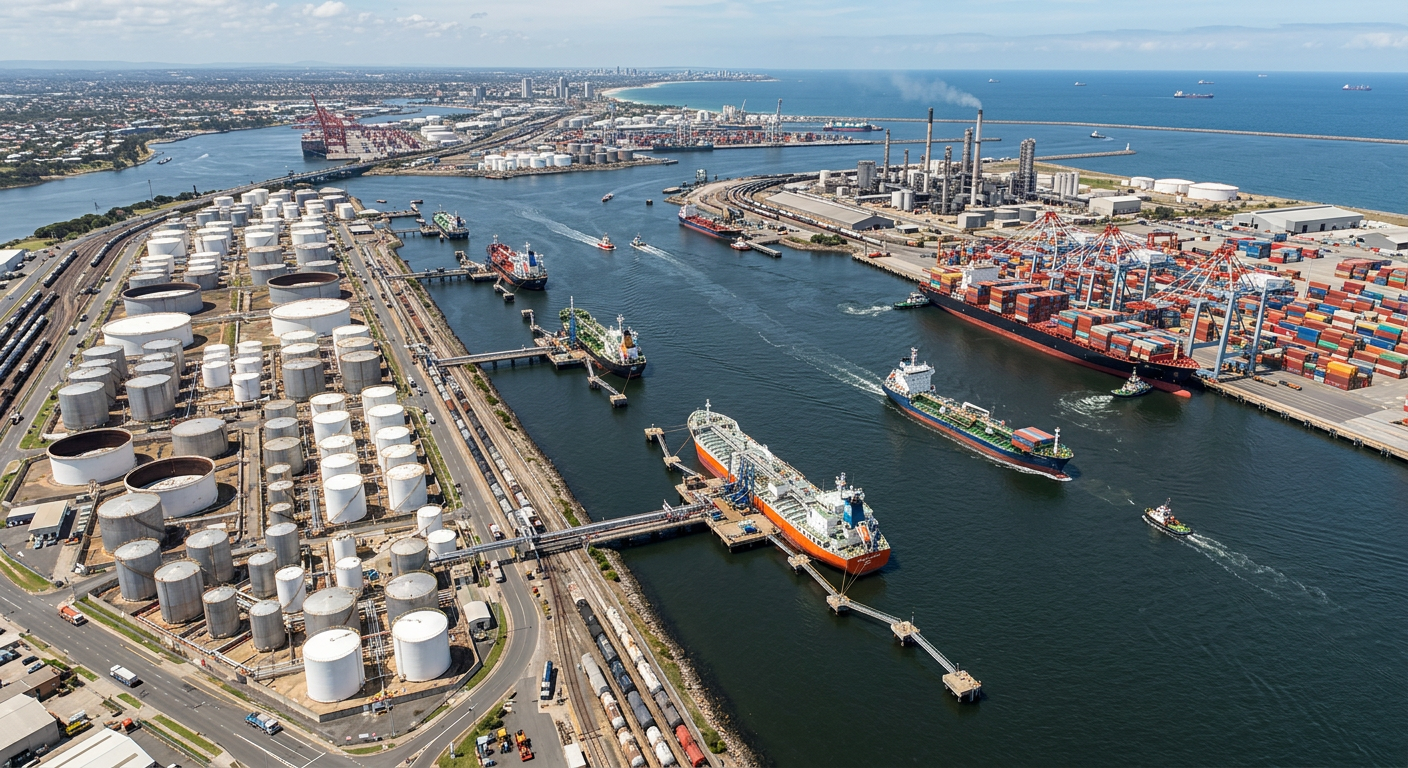
Supply Chain Planning Becomes More Important for Chemical Buyers
The recent ship attacks highlight a broader trend in chemical trading. Procurement teams cannot focus only on product prices anymore. They must consider logistics reliability, geopolitical exposure and supplier resilience.
A low-cost offer may become expensive if delays, insurance changes or emergency purchases affect the final landed cost.
Many companies are now reviewing supply chain strategies that include:
Multiple supplier approvals across different regions to reduce dependency.
Strategic inventory levels for critical raw materials.
Contract terms that account for unexpected transportation disruptions.
Better visibility into vessel movements and shipping schedules.
This approach helps buyers maintain operations even when market conditions change quickly.
How Chemical Traders Should Monitor Market Signals
Chemical markets often respond to a combination of signals rather than one event. The ship attacks are important, but procurement decisions should also consider production levels, freight availability and demand trends.
Traders should watch several indicators:
Energy prices, especially crude oil and natural gas movements.
Port operations across major exporting regions.
Freight rates and vessel availability.
Producer announcements regarding output or maintenance.
Regional demand changes from manufacturing industries.
A balanced view helps avoid unnecessary panic buying while still protecting against supply interruptions.
Regional Trade Flow Changes After Gulf Security Events
The Gulf region plays a major role in global commodity flows. Countries connected to energy exports and petrochemical production influence pricing and availability for many downstream industries.
When shipping risks increase, buyers may see changes in trade patterns. Some suppliers may redirect cargoes, while others may adjust delivery schedules or pricing structures.
For importers, regional flexibility becomes more valuable. Buyers that maintain relationships with suppliers in Asia, Europe, the Middle East and other producing regions can respond faster when one route faces pressure.
Chemical trading platforms also become more important during uncertain periods because they help buyers compare offers, identify alternative suppliers and maintain sourcing options.
Regulatory and Compliance Considerations During Market Disruptions
Shipping disruptions can create additional compliance challenges. Chemical buyers must ensure that transportation changes do not affect documentation, handling requirements or delivery commitments.
Companies should continue reviewing:
Product certifications and regulatory documents.
Supplier compliance records.
Transportation requirements for hazardous materials.
Import and export regulations in destination markets.
Strong compliance processes reduce the chance of delays when supply chains become more complex.
The Sustainability Angle in Chemical Sourcing Decisions
Supply chain resilience is becoming closely connected with sustainability goals. Companies increasingly evaluate not only where chemicals come from but also how efficiently they move through global supply networks.
Longer shipping routes, emergency production changes and inefficient inventory management can increase environmental impact.
Procurement teams can improve both resilience and sustainability by selecting reliable suppliers, optimizing shipment planning and reducing unnecessary emergency logistics.
Market Outlook for 2027 and Beyond
The current situation shows that global chemical markets can absorb shocks, but risk management has become a permanent part of procurement planning.
The recovery of Gulf exports has reduced immediate pressure, yet continued regional tensions could create future disruptions.
For 2027 and beyond, buyers should expect:
Greater focus on supply chain transparency.
More interest in regional and diversified sourcing models.
Continued attention to freight and energy market movements.
Stronger relationships between buyers, traders and producers.
The companies that manage uncertainty effectively will have a stronger position when market conditions shift.
What Buyers Should Do Now
Chemical procurement teams should avoid making decisions based only on short-term market reactions. The current environment requires a combination of caution, flexibility and accurate market information.
Buyers can strengthen their position by reviewing supplier networks, tracking logistics conditions and maintaining open communication with trading partners.
The recent Gulf ship attacks show that supply risks can increase quickly, but they also show that markets can adapt. The priority for procurement teams is building a sourcing strategy that remains reliable during periods of uncertainty.
Ready to source chemical procurement solutions from verified global suppliers? Explore competitive offers on our platform today.
Sulphur CAS: 7704-34-9