
Share this product :
Silica Sand
- Origin
- : Taiwan
- CAS Number
- : 14808-60-7
- HS Code
- : 250510
Basic Info
- IUPAC Name
- : silicon dioxide
- Molecular Formula
- : SiO2
- Molecular Weight (g/mol)
- : 60.0800
- Synonyms & Trade Names
- : Silica sand; Quartz; Silicon dioxide; Crystalline silica
- Purity / Assay (%)
- : 99% SiO2 min
- Grade / Quality Level
- : Industrial Grade
- Physical Form
- : Solid
- Concentration
- : Pure substance
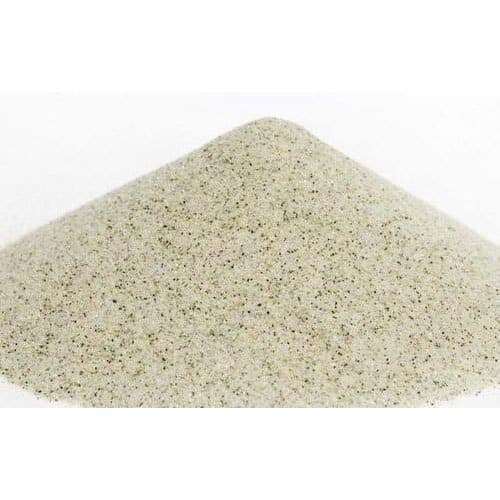
- Appearance / Color
- : White to off-white solid
- Odor
- : Odorless
- Melting Point (°C)
- : 1713.0000
- Boiling Point (°C)
- : 2230
- Density (g/cm³)
- : 2.6500
- Solubility in Water
- : Insoluble
- Signal Word
- : Warning
- GHS Hazard Class
- : IARC Group 1 (crystalline silica)
- H-Statements
- : H372 (lungs, prolonged inhaled)
- P-Statements
- : P260|P271|P284|P314
- REACH Status
- : Registered
- Drug Precursor Status
- : Non-precursor
- Storage Class (GHS)
- : 13
- Storage Conditions
- : Cool, dry place; dust control required
Categories
Share this product :
Brief Overview
Silica Sand is typically a form of Silicon dioxide (SiO2), made up of two main elements - silica and oxygen. The most common form of Silicon dioxide is quartz, which is a chemically inert and hard mineral that is naturally broken down into tiny granules over time through the wind and water called Silica Sand. The sand can differ in colour and size of the granules, depending on where it was sourced from.
Manufacturing Process
During the manufacturing process of silica sand, the raw sand is mined from each sand mine and is firstly fed into the process plant to remove impurities. Then, such processed sand is separated into various sizes by the sizing process in order to meet every size requirement for the specific use.