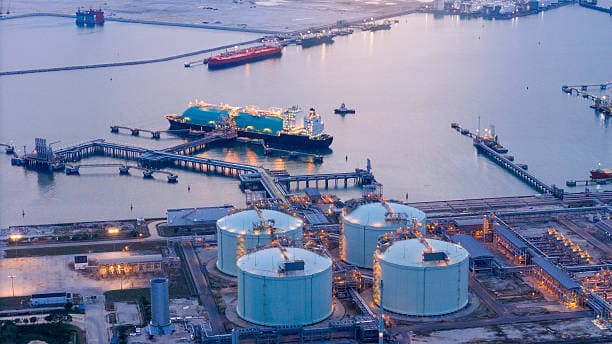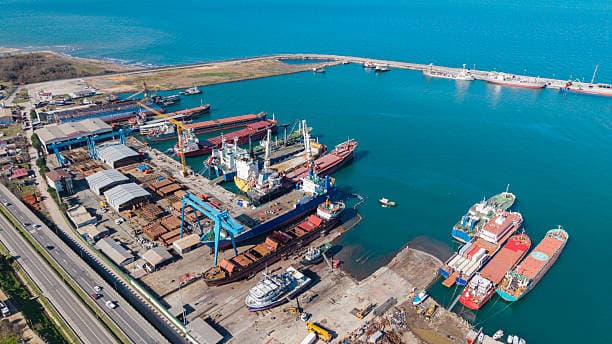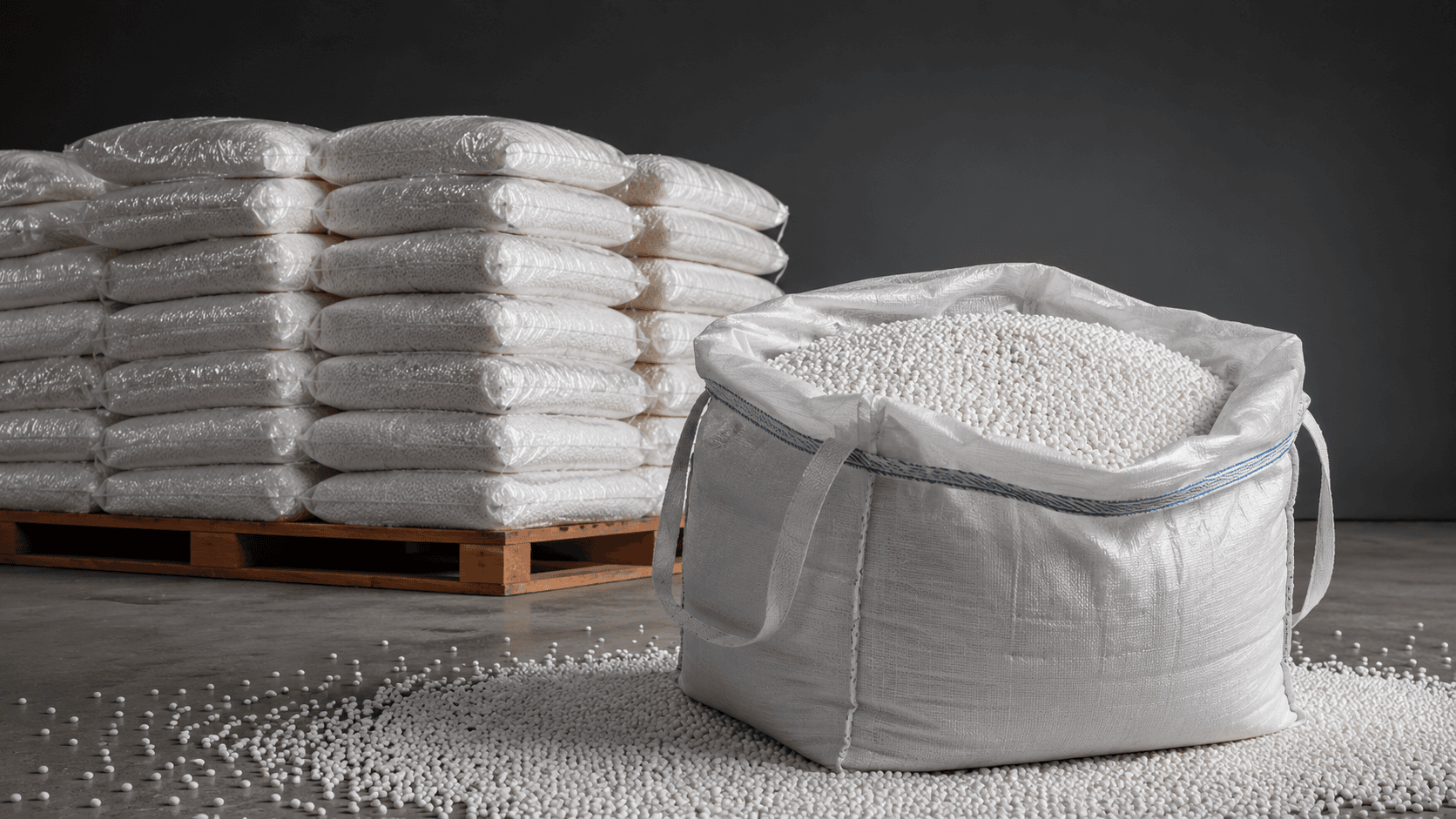

Water treatment chemical demand across the Gulf Cooperation Council (GCC) is entering a new growth phase as regional logistics recover from the disruptions caused by the Strait of Hormuz crisis. After operating under emergency procurement protocols for several months, utilities are preparing to restore standard purchasing cycles and replenish depleted inventories.
With Gulf exports recovering to approximately 75% of pre-crisis levels and Saudi logistics steadily normalizing, municipal utilities, desalination plants, and industrial water treatment operators are expected to significantly increase purchasing activity throughout July. This inventory rebuilding cycle represents one of the largest procurement opportunities for specialty chemical suppliers in 2026.
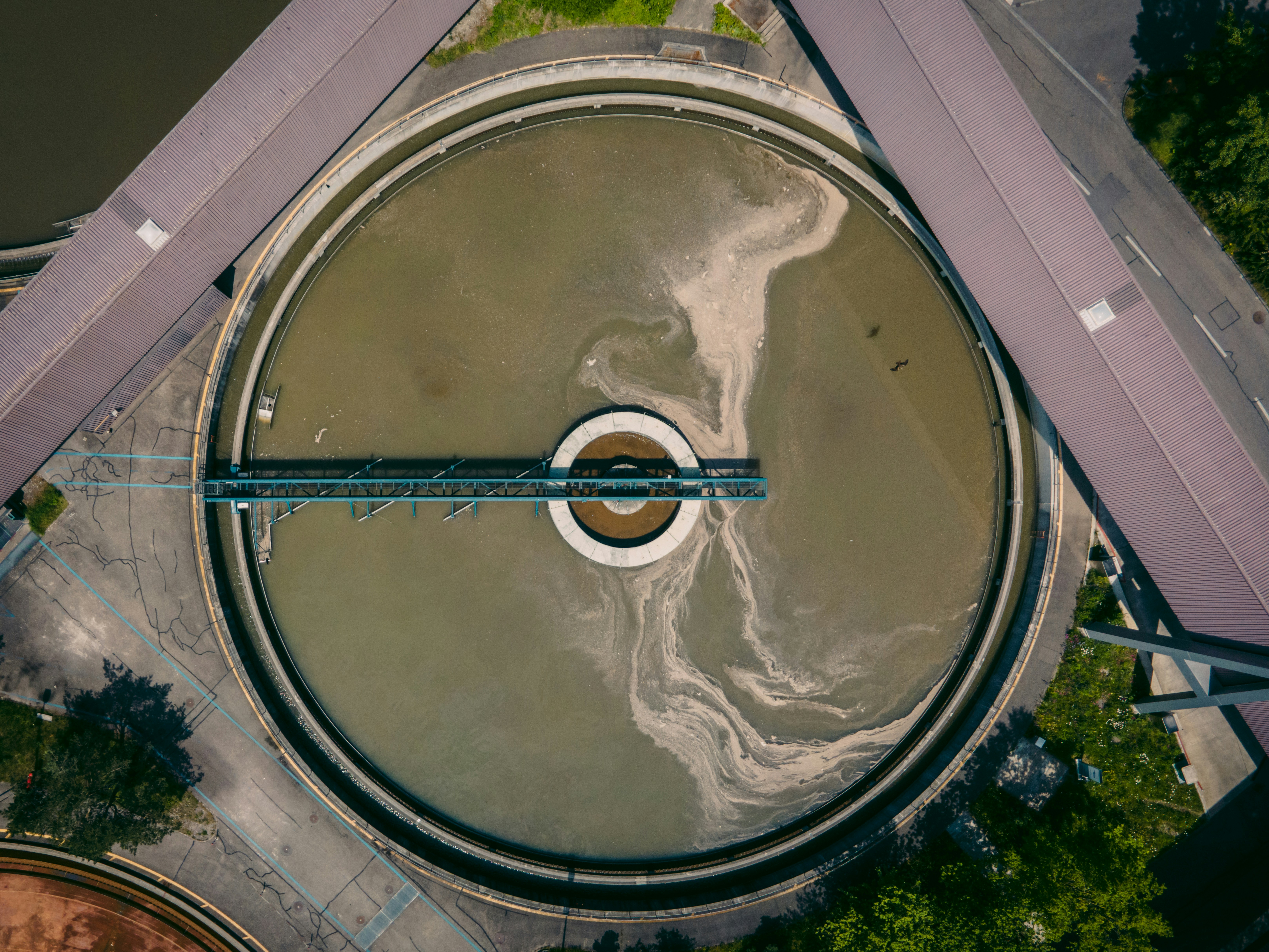
Related Products
Coagulants & Flocculants
Polyaluminium Chloride (PAC)
Polyacrylamide (Anionic)
Polyacrylamide (Cationic)
Aluminium Sulphate
Ferric Chloride
Disinfection Chemicals
Sodium Hypochlorite
Calcium Hypochlorite
Hydrogen Peroxide
Chlorine Dioxide
Scale & Corrosion Control
Scale Inhibitors
Antiscalants
Corrosion Inhibitors
Reverse Osmosis Membrane Cleaners
Water Treatment Specialty Chemicals
Isothiazolinone Biocide
Glutaraldehyde Biocide
Activated Carbon
pH Adjustment Chemicals
Why GCC Utilities Are Increasing Procurement
Since the Hormuz disruption began, many Gulf utilities relied on emergency inventory management strategies to maintain uninterrupted water supply.
These measures included:
Extending chemical inventory usage
Delaying routine replenishment
Prioritizing essential treatment chemicals
Purchasing smaller emergency shipments
As shipping conditions improve, utilities are now returning to normal procurement schedules and rebuilding strategic inventories.
Chemicals Driving the July Procurement Wave
Polyaluminium Chloride (PAC)
PAC remains one of the most widely used coagulants for municipal water treatment and desalination pretreatment.
Demand is expected to increase significantly as treatment facilities restore normal operating inventories.
Polyaluminium Chloride (Industrial) - India CAS: 1327-41-9
Polyacrylamide
Polyacrylamide is widely used as a flocculant to improve solid-liquid separation and filtration efficiency.
Both anionic and cationic grades are expected to experience higher procurement volumes.
Sodium Hypochlorite
As one of the primary disinfectants used in municipal water systems, sodium hypochlorite demand is expected to rise alongside increased utility purchasing.
Sodium Hydrosulphite (88%) - China CAS: 7775-14-6
Scale Inhibitors
Desalination plants rely on scale inhibitors to protect reverse osmosis membranes and improve operational efficiency.
Inventory replenishment is expected across major GCC desalination facilities.
Biocides
Industrial and municipal water systems require biocides to control microbial growth and prevent biofouling.
Utilities are expected to rebuild stocks following months of conservative chemical usage.

Desalination Continues to Drive Demand
The GCC remains one of the world's largest consumers of desalinated water.
Growing demand for drinking water, industrial processing, and infrastructure development continues to support strong long-term consumption of specialty water treatment chemicals.
As desalination plants resume normal operations, chemical usage is expected to return to pre-crisis levels.
Strategic Warehousing Becomes a Competitive Advantage
Suppliers serving GCC markets should prepare inventory before procurement accelerates.
Key regional logistics hubs include:
Jebel Ali
Sohar
Khor Fakkan
Positioning inventory within these distribution centers can reduce delivery times, improve customer service, and strengthen relationships with utility buyers during peak purchasing periods.
Opportunities for Chemical Suppliers
The expected procurement recovery creates opportunities for manufacturers and distributors that can offer:
Consistent product quality
Reliable inventory availability
Fast regional delivery
Technical support
Competitive pricing
Companies with established warehouse capacity and local distribution networks may gain a significant advantage as utilities prioritize dependable supply partners.
Procurement Strategy for Buyers
Water utilities and industrial operators should consider:
Rebuilding safety stock levels.
Securing supply agreements before demand peaks.
Diversifying qualified suppliers.
Monitoring logistics capacity.
Reviewing long-term pricing arrangements.
Early procurement planning can reduce exposure to future supply disruptions.
Market Outlook
The GCC water treatment chemical market is expected to experience one of its strongest procurement cycles of 2026. As Gulf exports recover and logistics stabilize, utilities are shifting from emergency management to strategic inventory rebuilding.
Demand growth is expected across coagulants, flocculants, disinfectants, antiscalants, and specialty treatment chemicals throughout Q3. Suppliers with available inventory, strong regional logistics, and dependable customer support will be well positioned to benefit from this renewed purchasing activity.
Key Takeaways
GCC utilities are returning to normal procurement after months of emergency operations.
Inventory rebuilding is expected to drive strong chemical demand throughout July.
PAC, polyacrylamide, sodium hypochlorite, scale inhibitors, and biocides will see increased purchasing.
Desalination plants remain the primary demand driver in the region.
Jebel Ali, Sohar, and Khor Fakkan are key warehousing locations for suppliers.
Early inventory positioning can improve delivery performance and customer service.
Q3 2026 is expected to be one of the strongest periods for GCC water treatment chemical procurement.