Urea (Granular) - Egypt CAS: 57-13-6
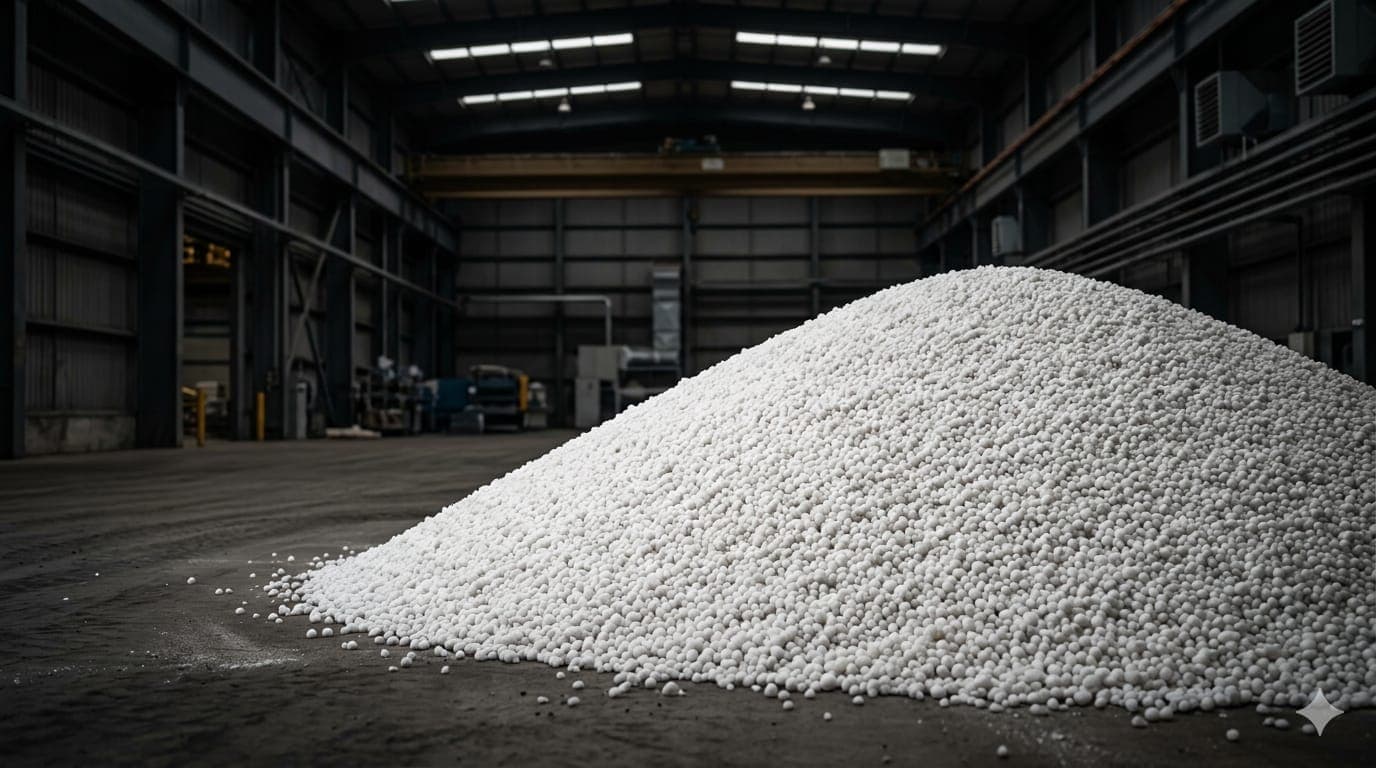
Urea (Granular) - Egypt CAS: 57-13-6

July 2026 presents a rare procurement opportunity for sorbitol buyers as stable Chinese feedstock costs, Thailand’s seasonal production gap, and easing freight rates combine to create one of the most attractive contracting windows of H2. Buyers with second-half demand requirements should act before supplier
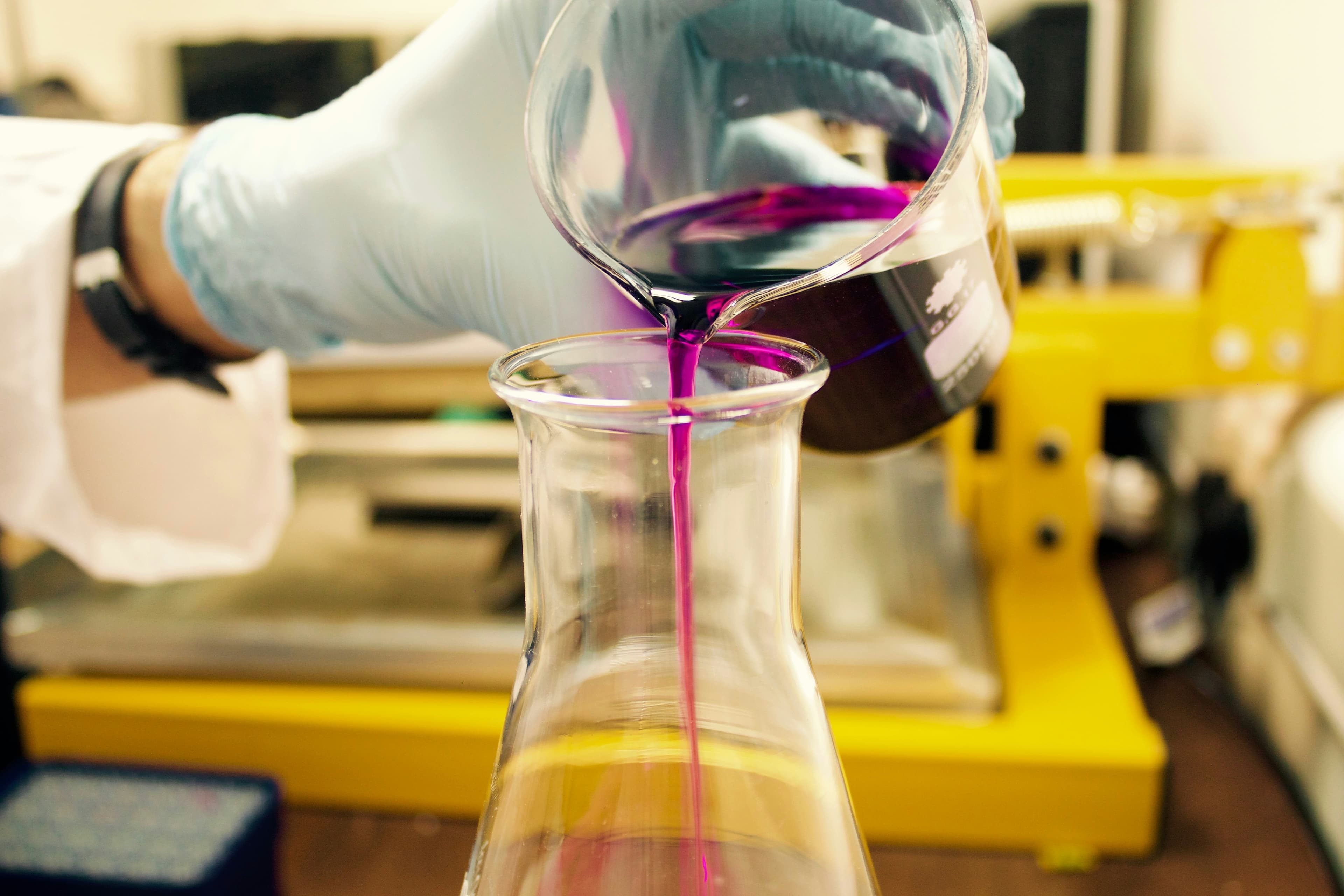
Pharmaceutical solvent markets are entering H2 2026 with improving feedstock economics and stabilizing crude oil prices. This creates an ideal procurement window for pharmaceutical manufacturers to secure long-term solvent supply agreements before potential market volatility returns.
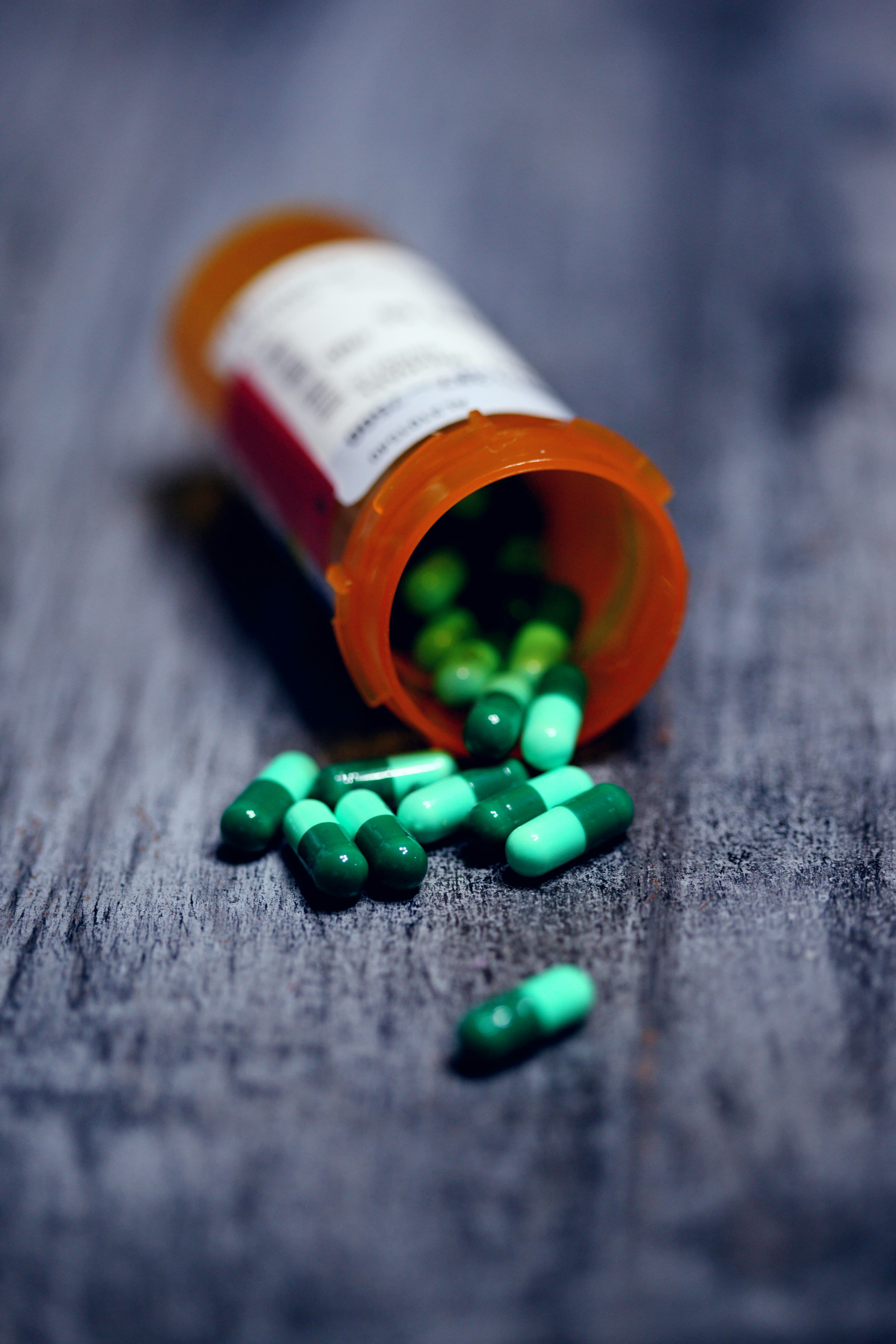
Hospital pharmacies are entering H2 2026 with improving supply conditions after months of inventory pressure. Q3 is expected to become the largest pharmaceutical chemical restocking period since before the Hormuz crisis.
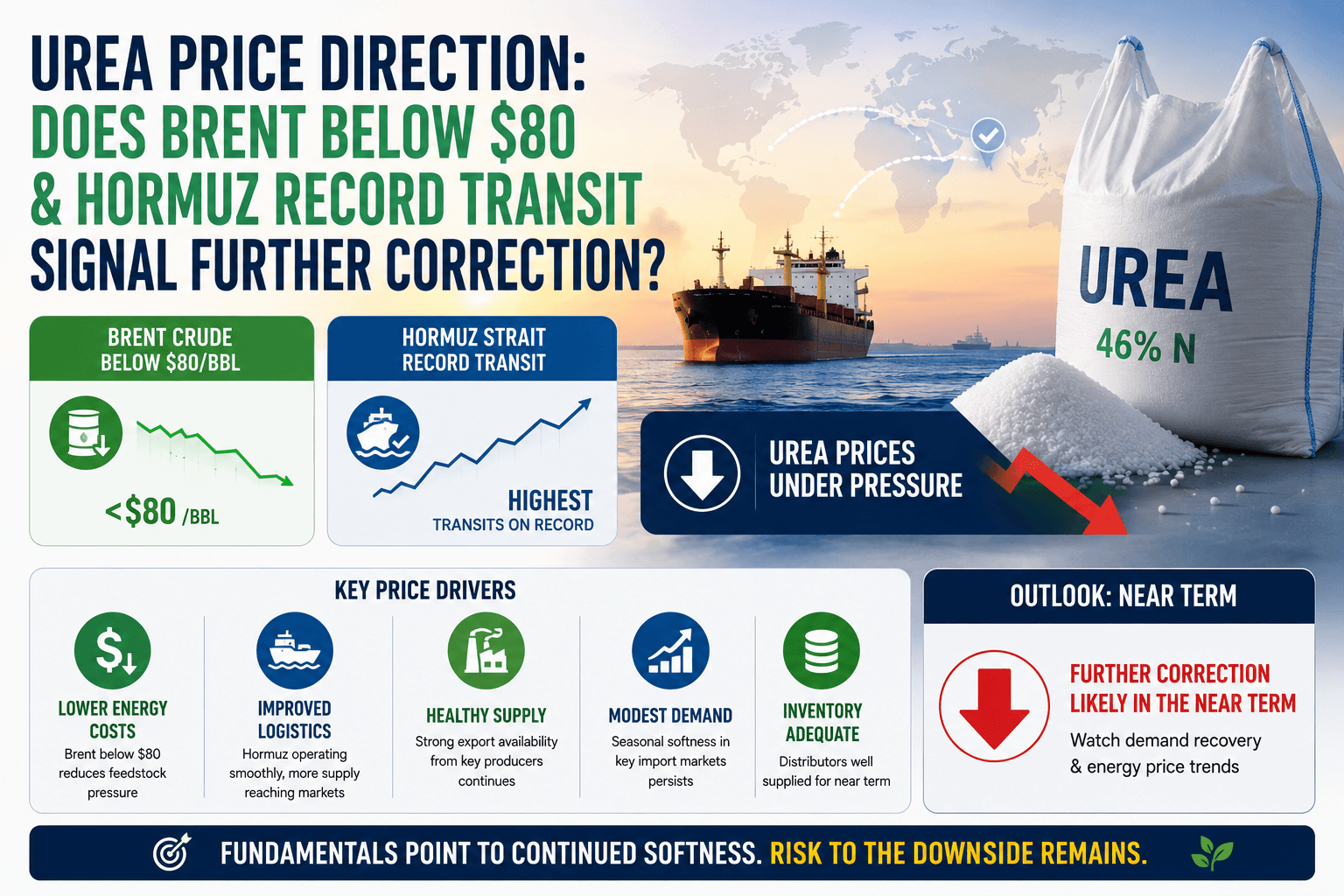
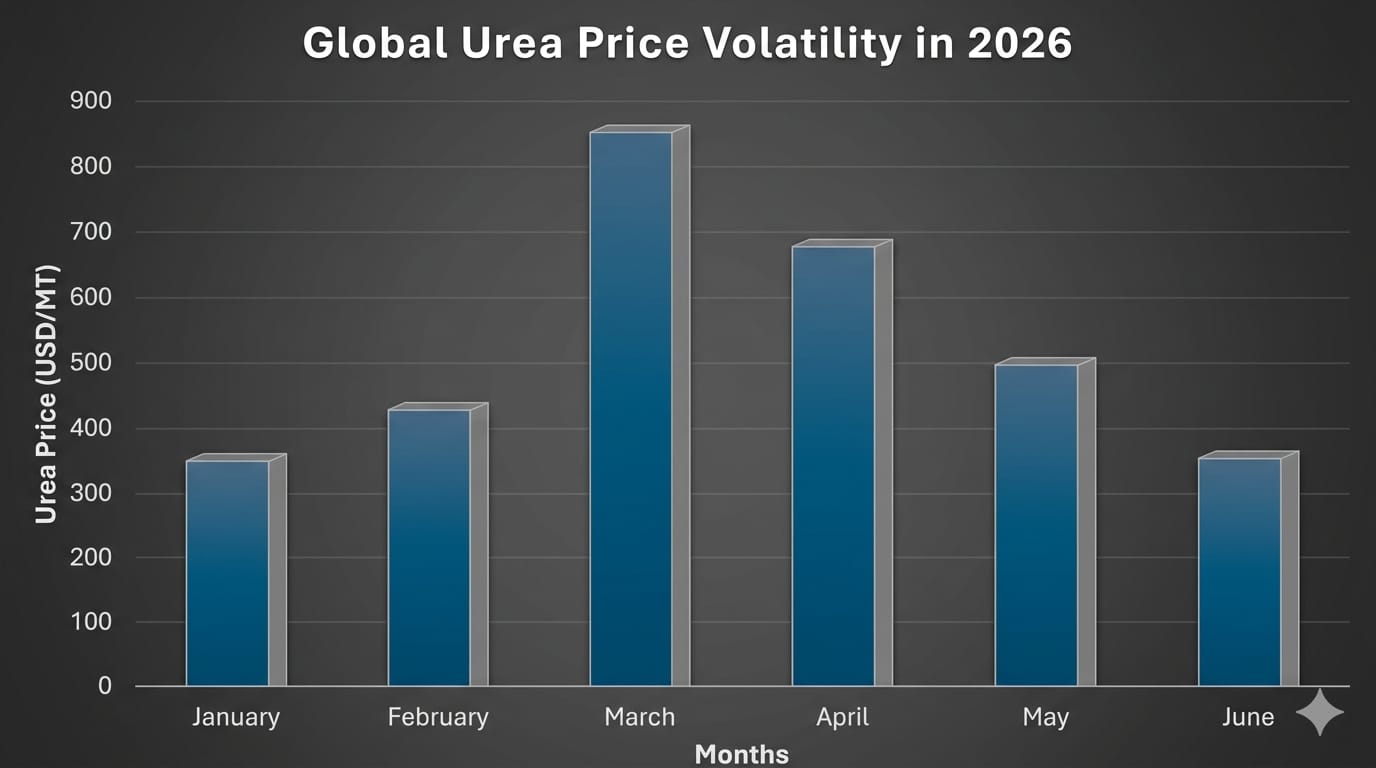
Urea prices have already fallen 36% from April highs, but improving Hormuz shipping and lower Brent crude suggest only modest further correction ahead. For fertilizer buyers, the strongest buying opportunity may already be unfolding before Q3 market stabilization begins.
China became the world's swing supplier during the Hormuz crisis, filling global supply gaps across commodity and specialty chemicals. As Gulf exports recover in H2 2026, Beijing is strengthening domestic chemical manufacturing while international buyers shift toward balanced multi-origin sourcing strategies.

The epoxy resin market is entering a new phase as EU anti-dumping duties alter trade flows and BPA supply dynamics shift across Asia. For procurement teams, understanding sourcing risks, wind energy demand and regional production changes will be critical in 2026 and beyond.
We're committed to your privacy. Tradeasia uses the information you provide to us to contact you about our relevant content, products, and services. For more information, check out our privacy policy.