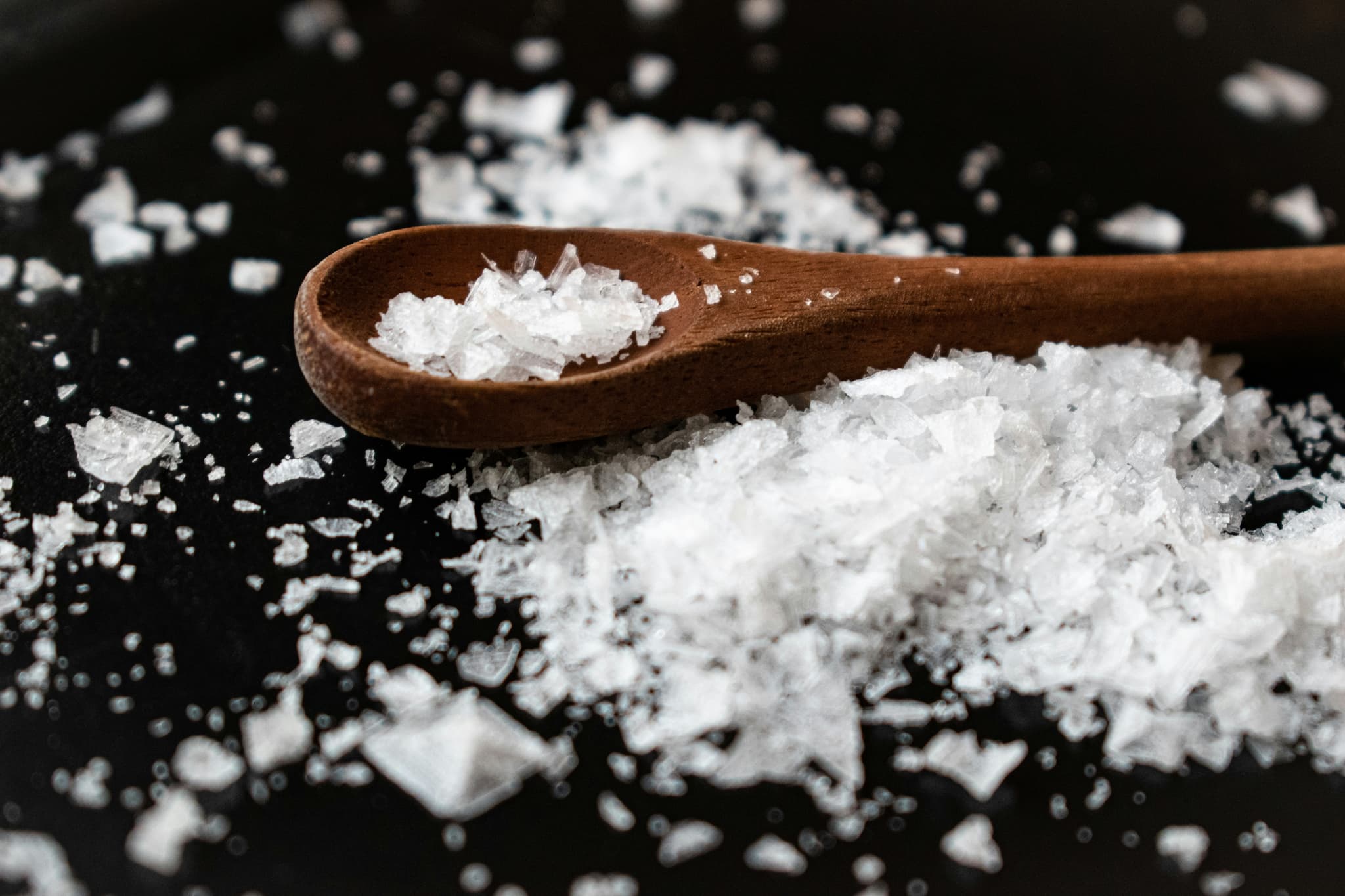
Sodium Bicarbonate: Baking, Pharma, and Flue Gas Treatment Demand Converges
Introduction
Sodium bicarbonate (NaHCO₃), commonly known as baking soda, is one of the most widely used inorganic chemicals in the world. It has applications spanning food processing, pharmaceuticals, personal care, industrial cleaning, and environmental control systems.
In 2026, the sodium bicarbonate market is experiencing a rare convergence of demand across three very different sectors: food baking, pharmaceutical formulations, and flue gas treatment. While total supply remains broadly adequate, regional tightness is emerging due to energy costs, regulatory pressures, and shifting industrial demand patterns.
This convergence is creating unusual pricing behavior and new trade flows between the United States, Europe, and Asia.
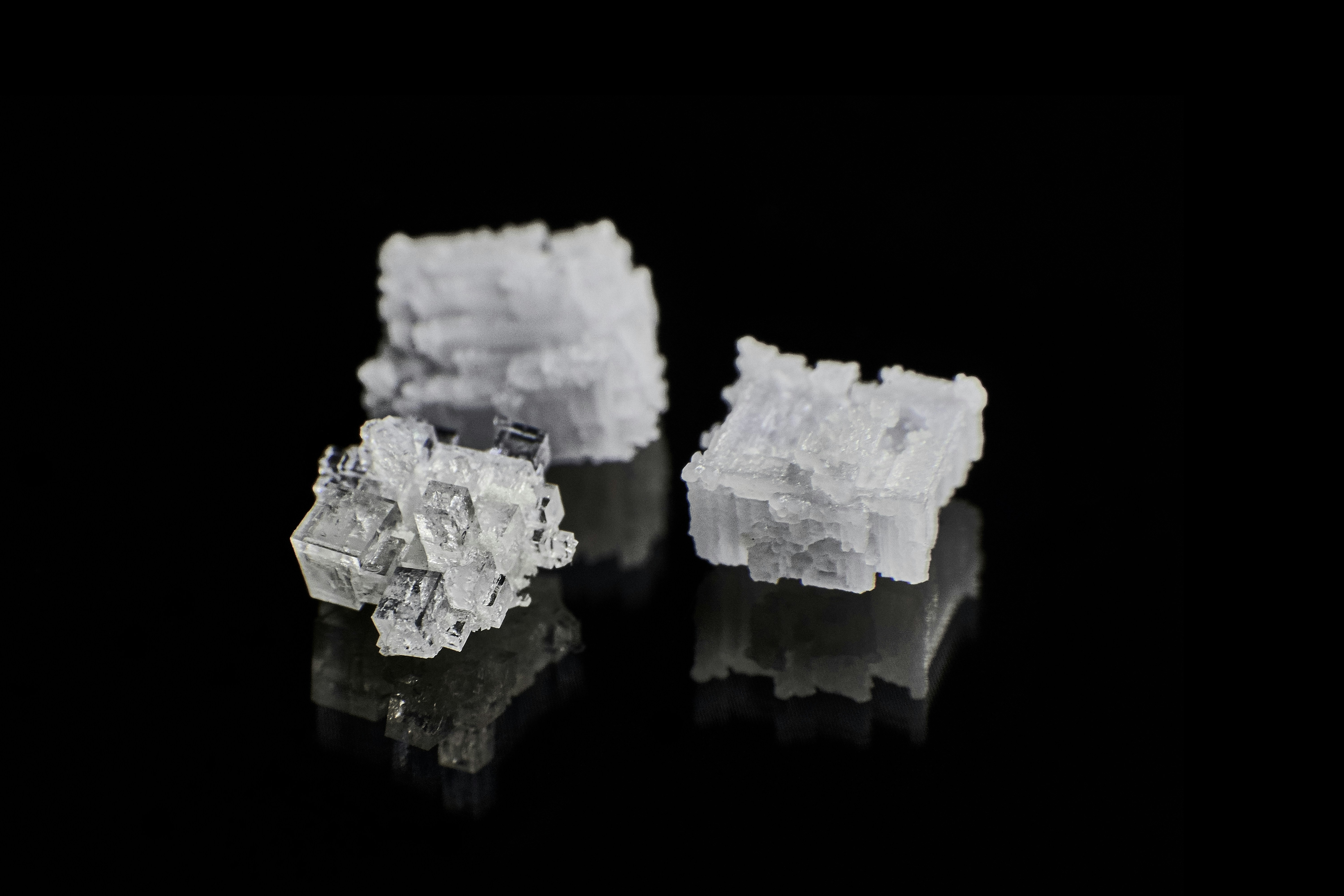
Core Properties and Production Routes
Sodium bicarbonate is a mild alkaline compound produced primarily through two routes:
1. Natural Trona-Based Production (US Dominant)
The United States—especially Wyoming—produces sodium bicarbonate from natural trona ore.
Process:
Mining trona (sodium sesquicarbonate)
Refining into soda ash and sodium bicarbonate
Advantages:
Low-cost raw material base
Energy-efficient processing
Large integrated reserves
This makes US production one of the most cost-competitive globally.
2. Synthetic Production (Europe and Asia)
Produced via the Solvay process using:
Soda ash (sodium carbonate)
Ammonia
CO₂
Challenges:
Energy-intensive production
Higher exposure to natural gas and electricity costs
Environmental compliance costs in Europe
Sodium Bicarbonate (Technical) - India CAS: 144-55-8
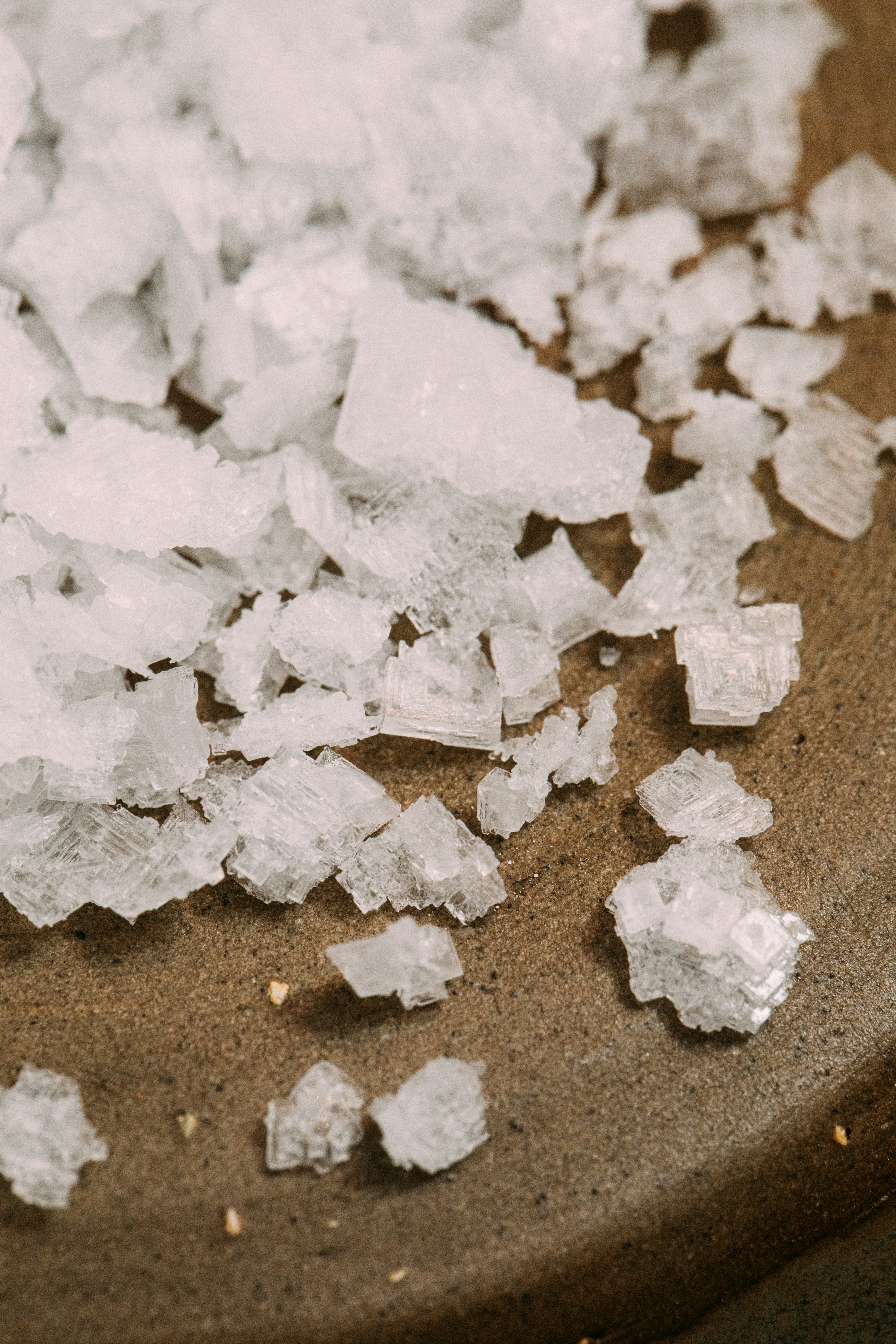
Food Industry Demand: Stable but Mature
Food-grade sodium bicarbonate remains a foundational ingredient in baking.
Applications:
Baking powder formulation
pH regulation in food processing
Carbonation in baked goods
Texture improvement
Market characteristics:
Mature demand base
Low volatility
Strong substitution resistance
While not a high-growth segment, food applications provide stable baseline consumption globally.
Pharmaceutical Demand: Emerging Tightness
One of the most important developments in 2026 is tightening supply in pharmaceutical-grade sodium bicarbonate.
Applications:
Hemodialysis solutions
Injectable buffer systems
IV fluid pH control
Antacid formulations
Why demand is tightening:
Increased global dialysis patient population
Higher healthcare system utilization
Tighter pharmaceutical-grade purity specifications
Broader API supply chain stress affecting buffer chemicals
Pharmaceutical-grade material requires extremely high purity, making it less flexible to substitute with industrial-grade supply.
Sodium Acetate CAS: 0127-09-03
Flue Gas Treatment: The Fastest-Growing Demand Segment
Environmental regulation is creating a major new demand center for sodium bicarbonate.
Key application:
Dry flue gas desulfurization (FGD)
Acid gas neutralization in industrial emissions
Why it is growing:
Stricter EU industrial emissions regulations
Expansion of waste-to-energy plants
Retrofit of older coal and industrial facilities
Preference for dry sorbent injection systems over wet scrubbing in some cases
Impact:
Flue gas treatment is now consuming large and growing volumes of industrial-grade sodium bicarbonate, particularly in Europe.
Regional Supply Dynamics
United States: Structural Cost Advantage
The US remains the most competitive producer globally.
Key strengths:
Abundant trona reserves in Wyoming
Integrated mining and processing operations
Low production costs
Stable long-term supply base
US producers are increasingly important exporters due to global demand growth.
Europe: Energy Cost Pressure
European sodium bicarbonate producers face significant challenges:
High electricity and natural gas costs
Environmental compliance expenses
Industrial decarbonization requirements
Consequence:
European production is becoming less competitive, especially in bulk industrial applications.
Asia: Import-Dependent and Price Sensitive
Asian markets rely heavily on imports from the US and Europe.
Key characteristics:
Strong food and pharmaceutical demand
Limited domestic trona-based production
High sensitivity to freight costs
Increasing competition for US-origin supply
Cross-Sector Demand Convergence
The most important market dynamic in 2026 is simultaneous demand growth across unrelated sectors:
1. Food Industry (Stable Base Load)
Baking applications
Food processing
2. Pharmaceutical Sector (Tightening High-Spec Demand)
Dialysis fluids
Injectable formulations
3. Environmental Applications (Rapid Growth)
Flue gas treatment
Emissions compliance systems
This convergence is increasing pressure on global allocation of high-quality sodium bicarbonate.
Freight and Trade Flow Shifts
Logistics is increasingly shaping global sodium bicarbonate trade.
Key trends:
US exports becoming more attractive to Asian buyers
European supply tightening due to domestic consumption in emissions control
Longer lead times for pharmaceutical-grade shipments
Rising landed cost volatility in Asia-Pacific markets
Asian importers are especially sensitive to competition between food, pharma, and industrial buyers for the same supply pool.
Substitution Limitations
Unlike many commodity chemicals, sodium bicarbonate has limited substitution options in key applications:
Pharmaceutical buffers require strict purity
Food applications rely on well-established regulatory approvals
Flue gas treatment systems are engineered specifically for bicarbonate chemistry
This rigidity amplifies the impact of any regional supply tightening.
Market Outlook
The sodium bicarbonate market in 2026 is defined not by supply shortages, but by competing demand priorities across industries. The convergence of stable food demand, tightening pharmaceutical requirements, and rapidly expanding environmental applications is creating a structurally tighter market for high-purity grades.
US trona-based production remains the global cost anchor, while European energy constraints are redirecting trade flows toward transatlantic and intra-Asian supply chains. Over the coming quarters, allocation pressure is expected to increase, particularly for pharmaceutical and emission-control grades.
Key Takeaways
Sodium bicarbonate demand is converging across food, pharma, and flue gas treatment sectors.
US trona-based production remains the lowest-cost global supply source.
Pharmaceutical-grade demand is tightening due to healthcare and API-related pressures.
Flue gas treatment is a fast-growing demand driver, especially in Europe.
European producers face high energy cost disadvantages.
Asia is increasingly dependent on imported supply.
Competition between sectors is tightening allocation of high-purity grades.
Substitution options are limited in key applications, reinforcing demand rigidity.