Methanol CAS: 67-56-1

Methanol CAS: 67-56-1
Germany's seasonally adjusted chemical and pharmaceutical production declined 2.8% in the first quarter of 2026 and nearly 6% compared with the previous year. Procurement teams should assess how weaker European output may influence sourcing strategies, inventories and regional supply.
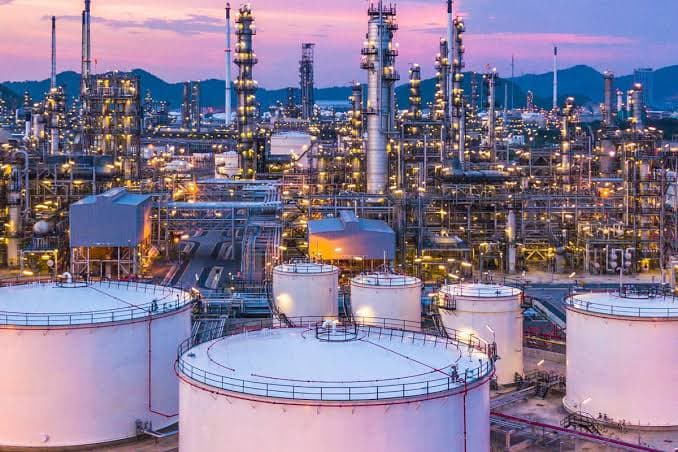
Saudi Arabia's chemical industry closes H1 2026 with SABIC's Ras Tanura terminal restart marking the clearest signal that Gulf petrochemical exports are recovering. As Q3 deliveries resume, international buyers should focus on contract sequencing and supplier engagement rather than assuming immediate spot market availability.
India's temporary duty waiver has ended, reshaping chemical import costs from July 1, 2026. Here's what procurement teams and international suppliers need to know.
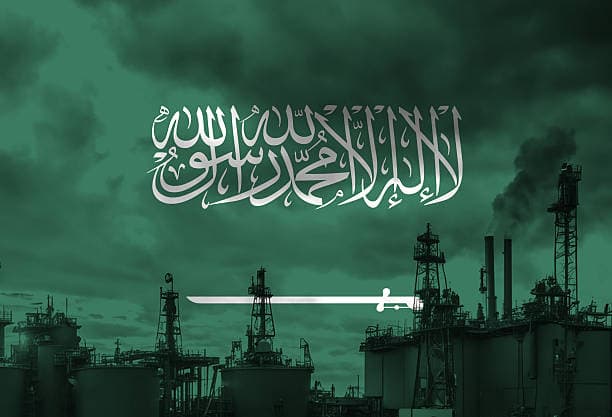
The Hormuz crisis has reshaped Gulf chemistry, but Saudi giants SABIC and Aramco are poised to drive the quickest rebound. With robust polymer output plans, they’re set to influence polyethylene and polypropylene markets, positioning Saudi Arabia as a 2026 chemical hub.
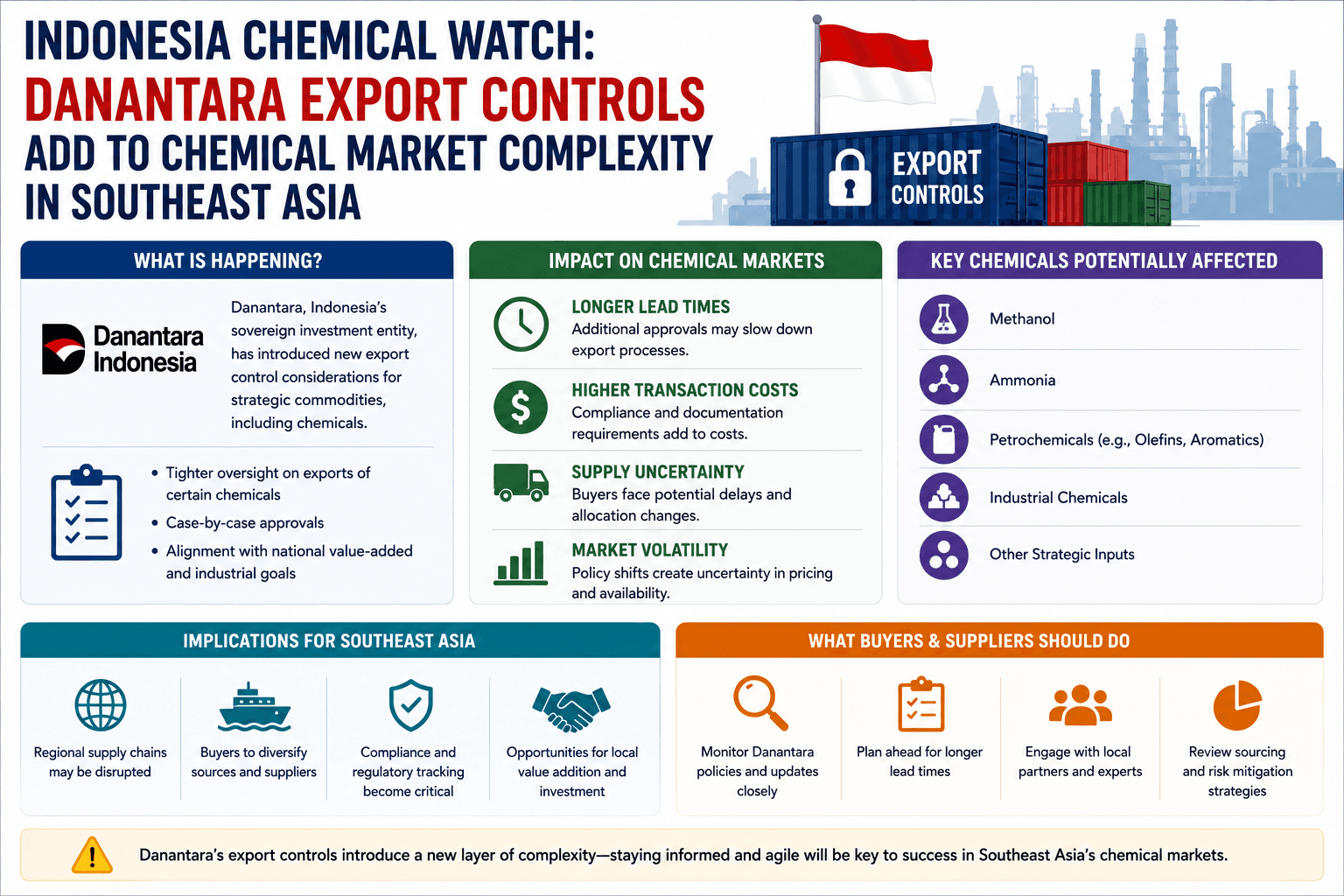
Indonesia’s tightening export controls and domestic processing strategy are reshaping Southeast Asia’s chemical trade landscape. For buyers, growing regulatory restrictions and logistics bottlenecks are making Indonesia one of the region’s most complex chemical markets in 2026.

By 2026 the xanthan gum market will be shaped by rising food‑grade demand, expanding oil‑drilling uses, and tightening E415 regulations. China’s export dynamics and pricing trends will test global supply chains while new EOR chemicals offer growth avenues.
We're committed to your privacy. Tradeasia uses the information you provide to us to contact you about our relevant content, products, and services. For more information, check out our privacy policy.