
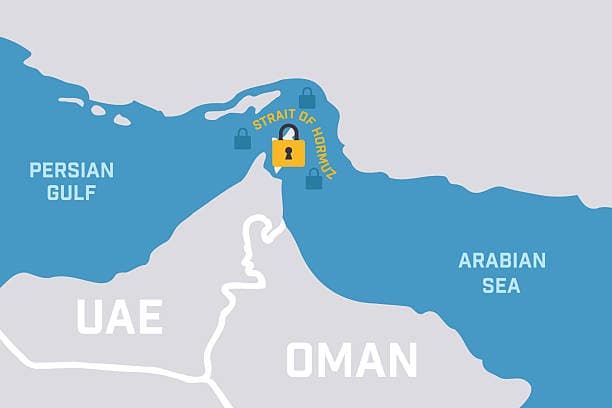
The past 135 days of the Hormuz water‑way disruption have forced a hard reset in the chemical industry’s net‑zero blueprints. As supply chains re‑align, the urgency to accelerate green hydrogen, green ammonia, and carbon capture has surged, while energy price volatility forces a re‑examination of "Scope 3" emissions and CSRD climate reporting.
Impact on Energy and Cost Structures
Disrupted crude exports have pushed natural gas and electricity prices higher, making the cost of low‑carbon feedstocks less predictable. Chemical producers now face a dual challenge: mitigating price spikes and securing long‑term renewable energy contracts. Theielle shift to green hydrogen as a feedstock is becoming a financial necessity rather than a voluntary commitment.
Green Hydrogen as a Game Changer
With electrolysis costs dropping, green hydrogen is emerging as the linchpin of future chemical processes. It can replace fossil‑based hydrogen in ammonia достат and methanol synthesis, significantly cutting Scope 3 emissions. However, scaling up requires:
Securing renewable electricity at competitive rates
Expanding electrolyzer capacity by 40% over the next five years
Integrating hydrogen storage solutions to buffer supply gaps
Green Ammonia: From Vision to Reality
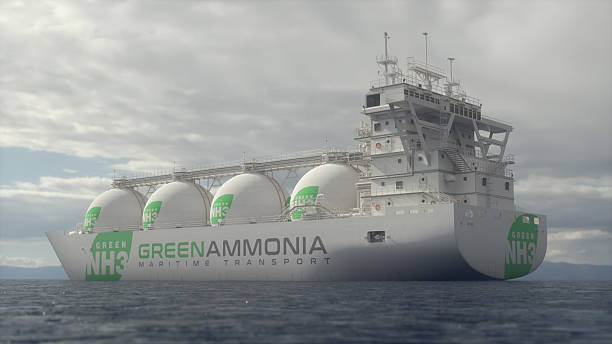
Green ammonia, produced from green hydrogen and atmospheric nitrogen, offers a low‑carbon alternative for fertilizer and synthetic fuels. The Hormuz crisis has accelerated investment in ammonia production plants that can pivot between conventional and green feedstocks, reducing operational risk and aligning with CSRD disclosure mandates.
Carbon Capture: Accelerating Deployment
Carbon capture, utilization, and storage (CCUS) is no longer a niche technology; it is a core pillar of net‑zero roadmaps. The crisis highlighted the vulnerability of petrochemical plants to supply chain shocks, prompting many to adopt CCUS to:
Lock in existing infrastructure while decarbonizing
Meet emerging regulatory caps on Scope 3 emissions
Provide a buffer against volatile energy markets
Integration with Existing Processes
Advanced capture methods, such as amine‑based sorption and membrane technologies, are being retrofitted onto existing furnaces and reactors. Early adopters report a 15–20% reduction in overall CO₂ intensity, a figure that can be amplified by coupling capture with green hydrogen production.
Revisiting Scope 3 Emissions
Scope 3 emissions, which encompass supply chain and product use phases, now command greater scrutiny. The Hormuz disruption forced companies to:
Re‑map supply chains to identify high‑risk nodes
Negotiate long‑term contracts with renewable energy suppliers
Implement real‑time emissions monitoring across downstream partners
These actions align with the EU’s CSRD requirements, ensuring that companies not only report emissions but also demonstrate tangible mitigation pathways.
CSRD Reporting: The New Compliance Frontier
The Corporate Sustainability Reporting Directive (CSRD) pushes firms to disclose environmental impacts with unprecedented granularity. In the chemical sector, this translates to:
Detailed Scope 1, 2, and 3 emission data
Verification of green hydrogen and ammonia usage
Transparent carbon capture performance metrics
Adapting to CSRD means integrating advanced data analytics and blockchain‑based traceability to meet audit standards.
Strategic Roadmap for the Next Five Years
To stay ahead, chemical leaders must adopt a phased approach:
Year 1–2: Secure renewable energy contracts and begin green hydrogen pilot projects
Year 3: Scale green ammonia production and install CCUS units at key plants
Year 4–5: Achieve full Scope 3 disclosure compliance and audit readiness
Collaborative partnerships between utilities, technology providers, and regulators will be essential to accelerate deployment and share best practices.
The 135‑day Hormuz crisis served as a wake‑up call, revealing the fragility of traditional chemical supply chains and the urgency of net‑zero transitions. By embracing green hydrogen, green ammonia, and carbon capture—while tightening CSRD reporting—chemical companies can not only survive but thrive in a low‑carbon economy.
Ammonium Chloride CAS: 12125-02-9